Belly Breathing
Overview
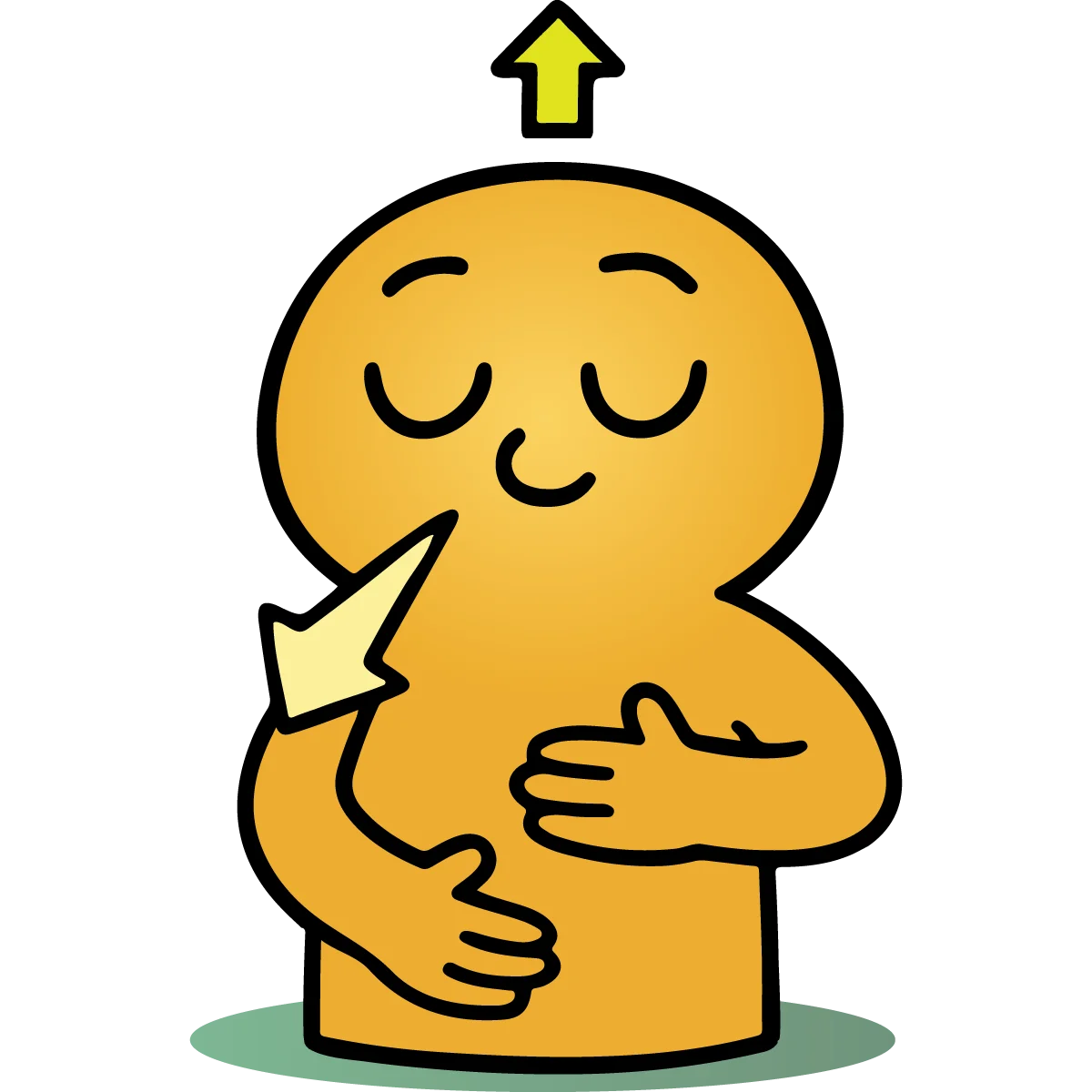
Belly breathing is a technique used to help your body feel calm and steady. Instead of taking shallow breaths from your chest, you use your diaphragm to pull air deep into your lungs. This helps slow down your heart rate and lets your brain know that you are safe. It is a great tool for handling moments when you feel overwhelmed or tense.
How Your Brain Works
Your brain uses two main parts to manage your feelings and your ability to think clearly.
The Guard Dog
The alarm system. Reacts to stress with fight-or-flight responses.
The Wise Owl
Logic and calm decision-making, best accessed when the alarm quiets down.
The Alarm System
The Guard Dog (Amygdala) acts as your brain's alarm system. When you face stress, like a difficult conversation or a big game, the Guard Dog starts barking. It triggers your body to breathe fast and makes your heart race. This is your "fight-or-flight" mode.
The Brake Pedal
Belly breathing works like a brake pedal for your nervous system. When you take deep, slow breaths, you send a physical signal to your body that it is time to relax. This movement helps lower stress chemicals and encourages the Guard Dog to settle down. By using your diaphragm, you allow your heart rate to slow down and your muscles to release tension.
The Wise Owl Takes Over
Once the Guard Dog is quiet, the Wise Owl (Prefrontal Cortex) can wake up. This is the part of your brain that thinks clearly and solves problems. When the Wise Owl is in charge, you can make logical decisions instead of just reacting. This balance helps you stay focused and feel more in control of your behaviour.
How to Use This Skill
Think of this like a manual override for your brain. By following these steps, you can flip the switch from 'stressed' to 'calm'.
- 1
Find Your Balance
Put one hand on your chest and the other on your belly. Keep the top hand still while the bottom one moves.
Placing your hands on your body gives you feedback. It helps you notice if you are breathing from your shoulders or deep from your belly. - 2
The Deep Breath
Inhale slowly through your nose so only the hand on your belly rises. Feel your stomach expand like a balloon.
When you breathe deep, your diaphragm moves down. This pushes your belly out and creates more space for air to enter.
Real-Life Example
Taming the Test Jitters
The Big Exam
You walk into the classroom and see the exam papers on the desks. Your heart starts racing.
The Guard Dog Bark
The Guard Dog starts shouting, 'You are going to fail and everyone will be disappointed!'
The Shift
- Notice the tension in your shoulders and the fast breathing.
- Place one hand on your belly while sitting at your desk.
- Take a slow breath in, making sure only your belly hand moves out.
- Exhale slowly, feeling your belly sink back in.
- Repeat this for a few minutes until you feel your heart rate slow down.
The Guard Dog stops barking, allowing the Wise Owl to focus on the questions. You feel calmer and ready to do your best.
Practice Tips
Like any skill, belly breathing gets easier the more you do it. Try these ideas to get started.
- Start Low
Try practicing while lying down on your back. It is often easier to feel your belly move in this position.
- Set a Timer
Aim for 5 to 10 minutes a day. Doing this regularly helps your body remember how to relax when things get tough.
- Post-Meal Practice
Try it after eating. It can help with digestion and makes it easier to notice the movement of your stomach.
Pro Tip
Why It Works
This technique is a low-cost, easy way to manage stress and improve your focus whenever you need it.
This skill helps because:
- Calms the Body
It lowers your heart rate and reduces stress chemicals, helping you feel physically more relaxed.
- Sharpens the Mind
It helps you stay focused and improves how you handle difficult feelings throughout the day.
- Builds Endurance
It makes your breathing muscles stronger, which can help with sports and overall energy levels.
References
Research-based evidence supporting this skill
- Research shows that deep breathing helps the brain switch from a state of alert to a state of rest and focus.
- Ma, X., Yue, Z. Q., Gong, Z. Q., Zhang, H., Duan, N. Y., Shi, Y. T., Wei, G. X., & Li, Y. F. (2017). The effect of diaphragmatic breathing on attention, negative affect and cortisol in healthy adults. Frontiers in Psychology, 8, 874.
- Hamasaki, H. (2020). Effects of diaphragmatic breathing on health: A narrative review. Medicines, 7(10), 65.
- Hopper, S. I., Murray, S. L., Bayard, M. A., & Lomas-Neira, J. (2019). Effectiveness of diaphragmatic breathing for reducing physiological and psychological stress in adults: A quantitative systematic review. JBI Database of Systematic Reviews and Implementation Reports, 17(9), 1855-1876.
- U.S. Department of Veterans Affairs. (n.d.). The power of breath: Diaphragmatic breathing. Whole Health Library.
- Cleveland Clinic. (n.d.). Diaphragmatic breathing exercises & benefits.
- Mayo Clinic Health System. (n.d.). Belly breathing mind-body benefits.