Skills Library
Browse our complete collection of mental wellness skills. Each skill includes scientific background, step-by-step guidance, and real-life examples.
Box Breathing 4×4
A rhythmic breathing method used to calm the body and sharpen the mind during stress.

Catch it, Check it, Change it
A method to identify negative thoughts, evaluate their truth, and create balanced perspectives.

Two-Minute Launch
A simple way to beat procrastination by starting a task for only two minutes.
5-Minute Momentum
A simple way to beat procrastination by committing to just five minutes of work to get started.

Physiological Sigh
A simple breathing technique to help lower stress and feel more relaxed in just a few seconds.

Worst → Likely → Best
This technique helps manage anxious thoughts by evaluating worst, most likely, and best outcomes.
Longer Exhale Rule
A simple tool to calm your body by making your out-breath longer than your in-breath.
Start With Clear Actions
Turn big, blurry goals into tiny, doable steps to help you get things moving.
Tiny Approach
Break the cycle of avoidance by taking one small, manageable step toward things that cause worry.
Belly Breathing
A simple and effective way to lower stress and quiet your mind by changing how you breathe.

Body-Before-Brain
Use physical breathing to calm your system down before trying to think through a tough situation.
One Sticky Target
Pick one clear task today to stop feeling overwhelmed and get things moving.

Body Double
This strategy involves working alongside another person to help you stay focused on tasks.
Humming Exhale
A simple breathing technique where you hum while exhaling to help calm your body and mind.
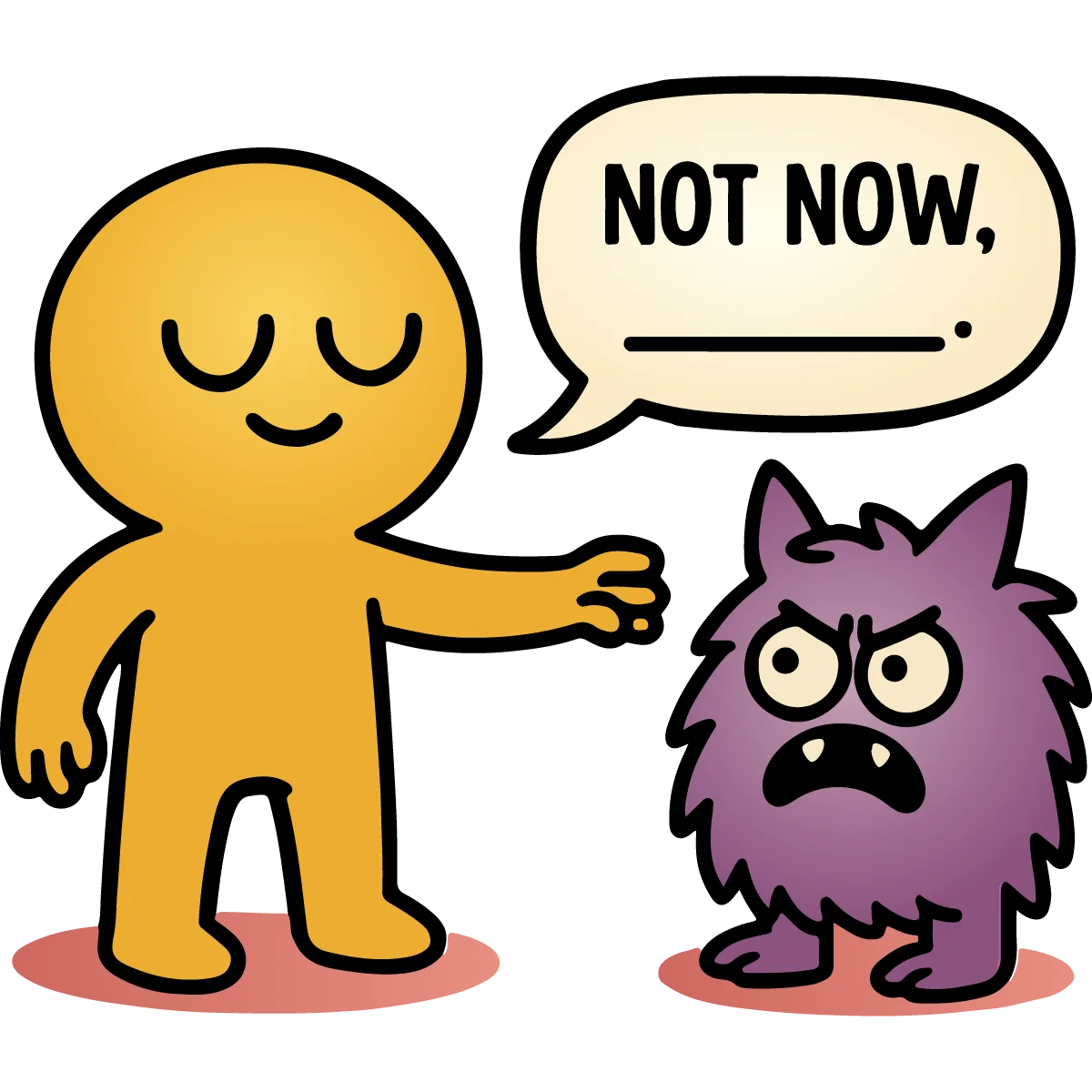
Name the Monster
A method for separating from anxious feelings by turning them into a distinct character.

It’s Anxiety, Not Danger
Learn to tell the difference between a scary feeling and an actual physical threat.
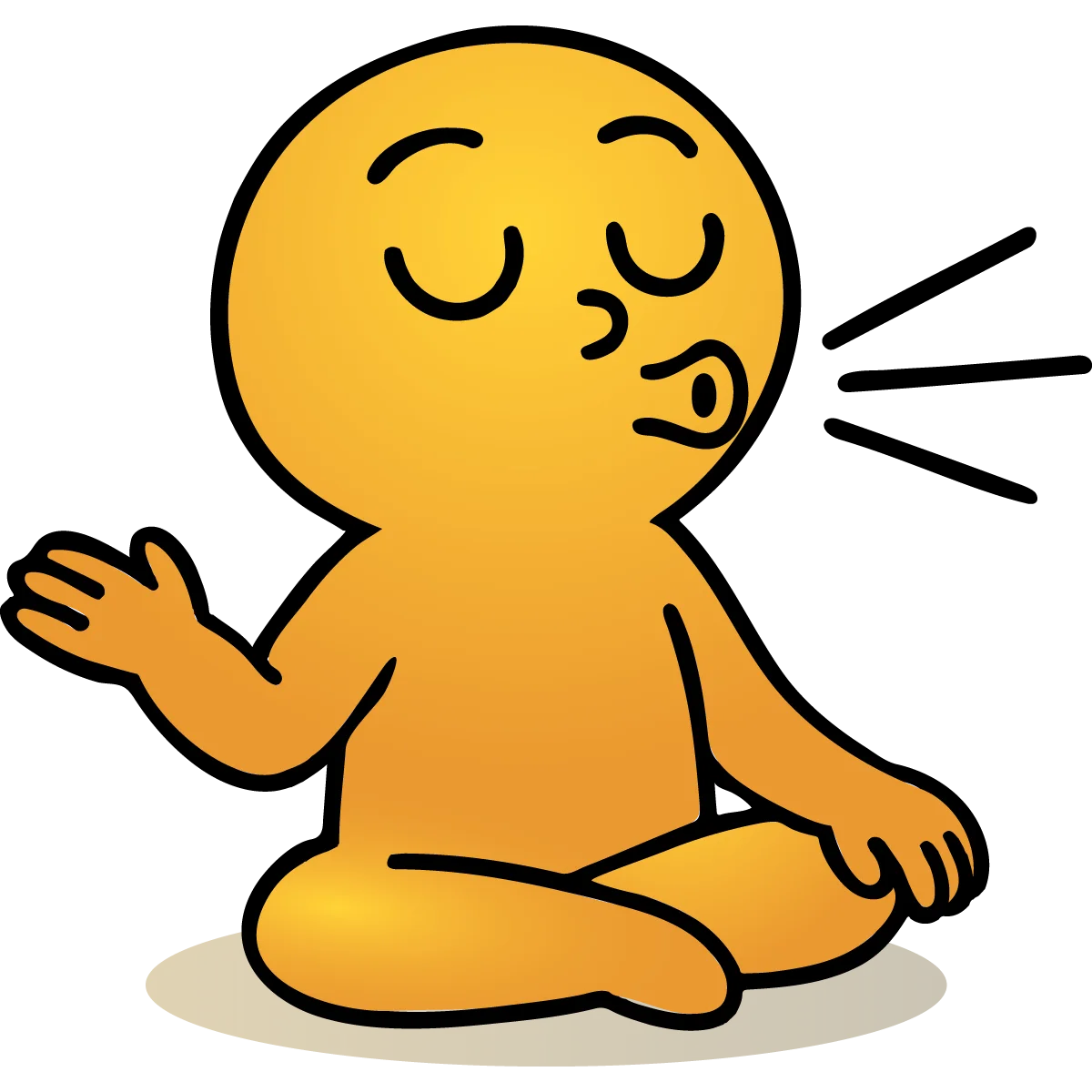
Pursed-Lip “Straw” Breathing
A simple way to control your breath and calm your body using gentle backpressure techniques.
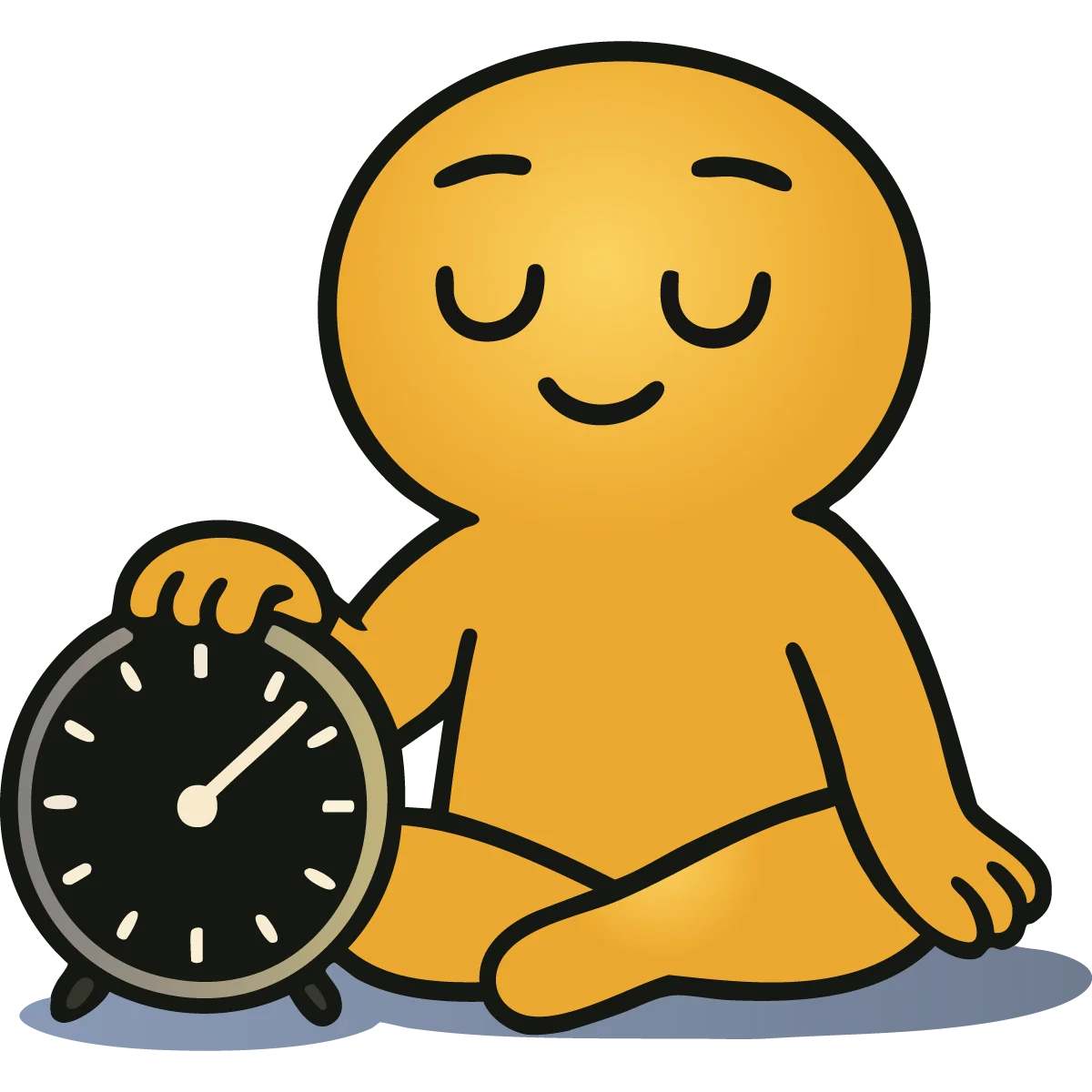
Timer Sprint 10
A 10-minute strategy to help you start tasks by lowering pressure and boosting focus.
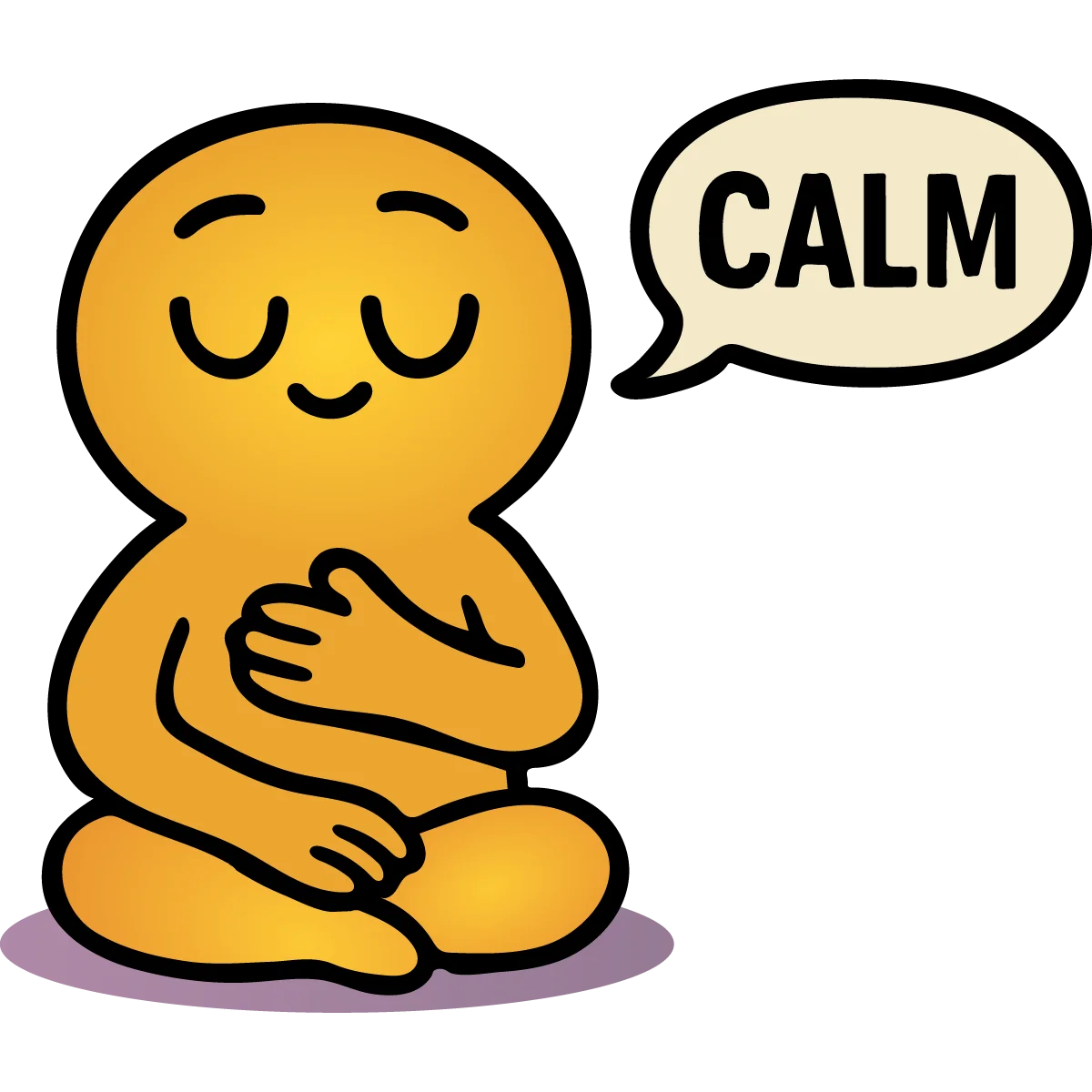
4-Count Breath + Name It
A simple tool combining steady breathing with naming your feelings to help find calm.

Pomodoro 25/5
A simple way to manage your time by balancing focused work with short breaks to stay fresh.

Worry Window
A way to manage stress by scheduling a specific time to focus on anxious thoughts each day.
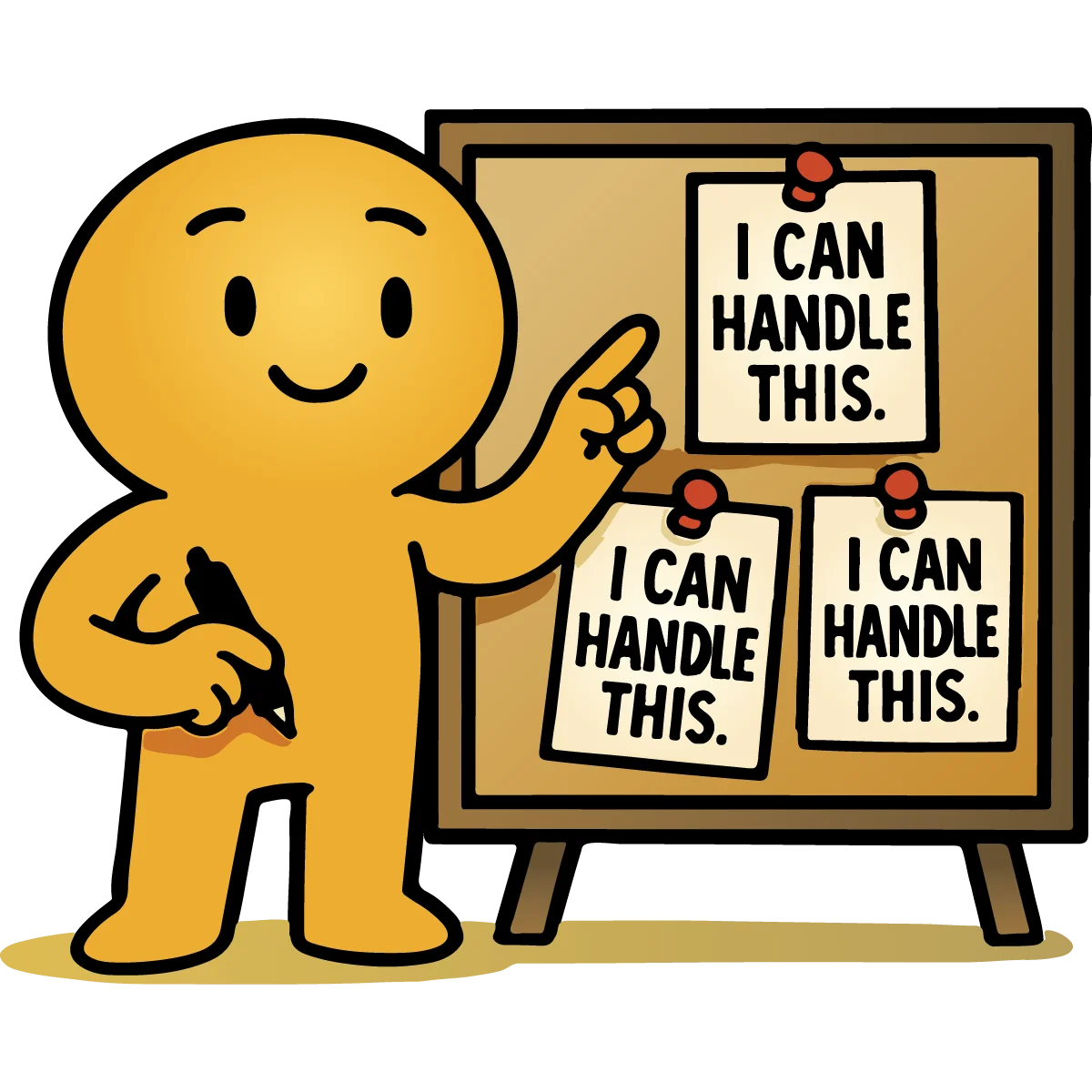
Evidence Board
A way to look back at things you have handled well to help you feel more capable right now.

Scent & Settle
A simple way to use your sense of smell to ground yourself and calm your racing thoughts.
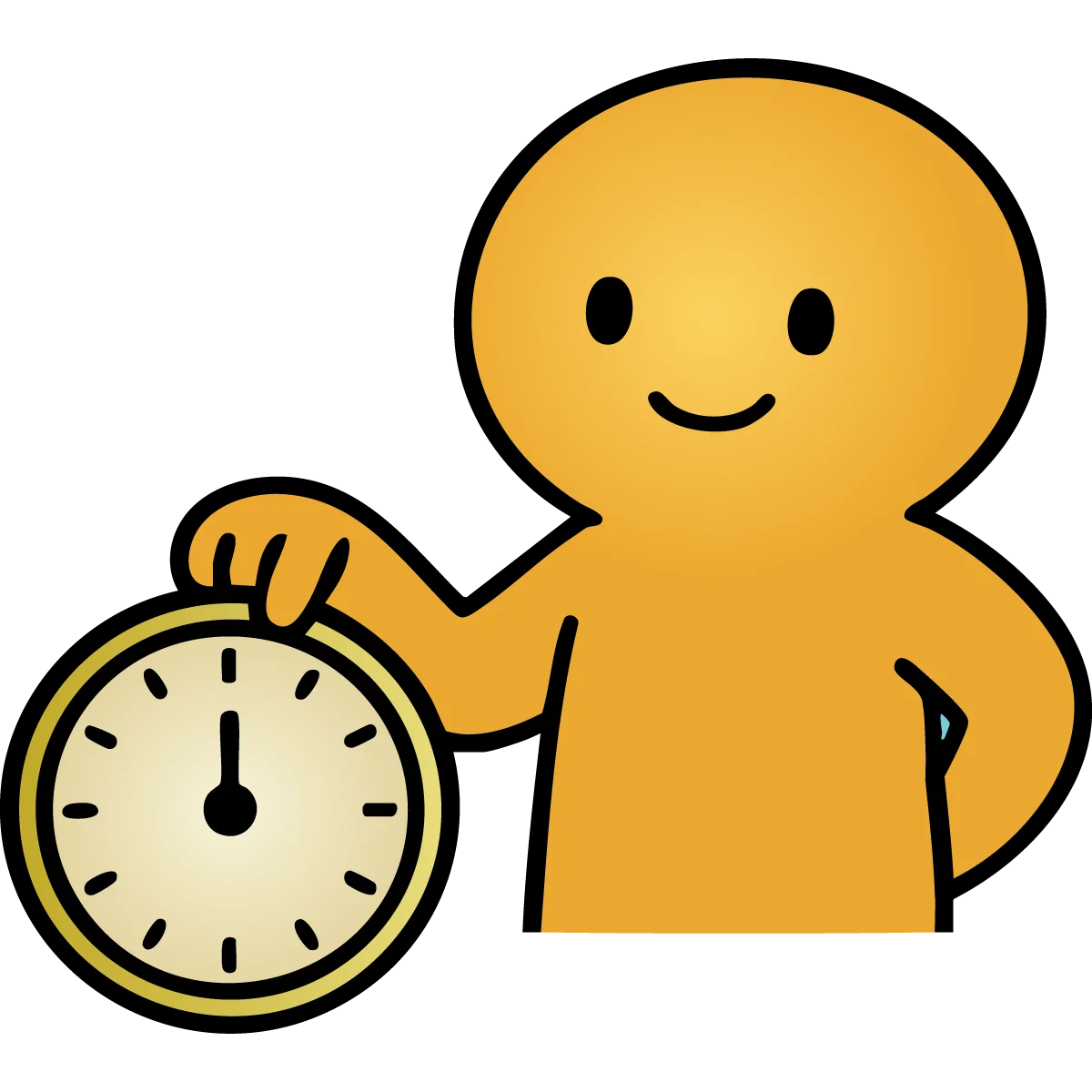
The “Until” Rule
A simple way to start hard tasks by setting a tiny, timed finish line to lower your stress.
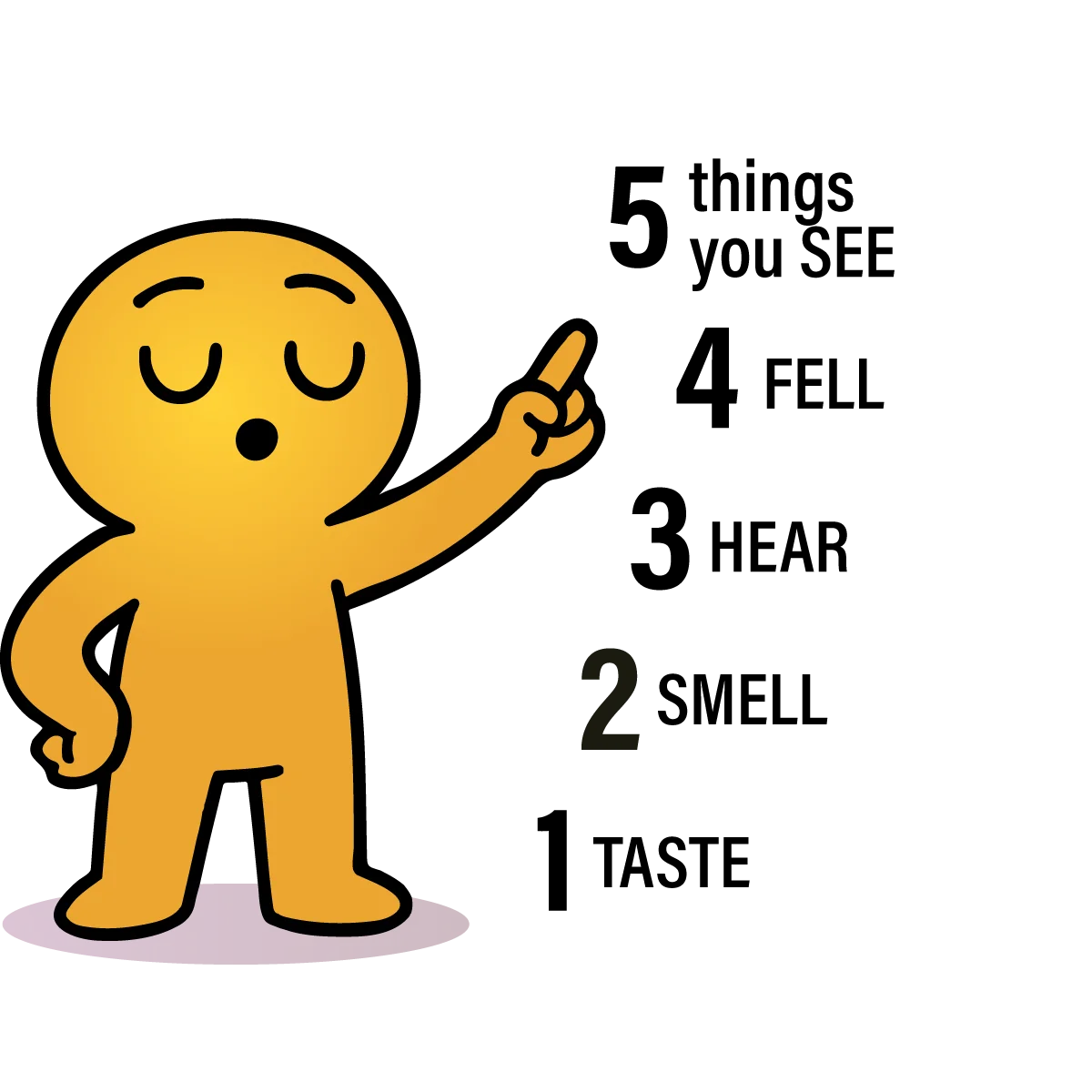
5-4-3-2-1 Grounding
The 5-4-3-2-1 grounding technique uses your five senses to help you feel steady and stay present.
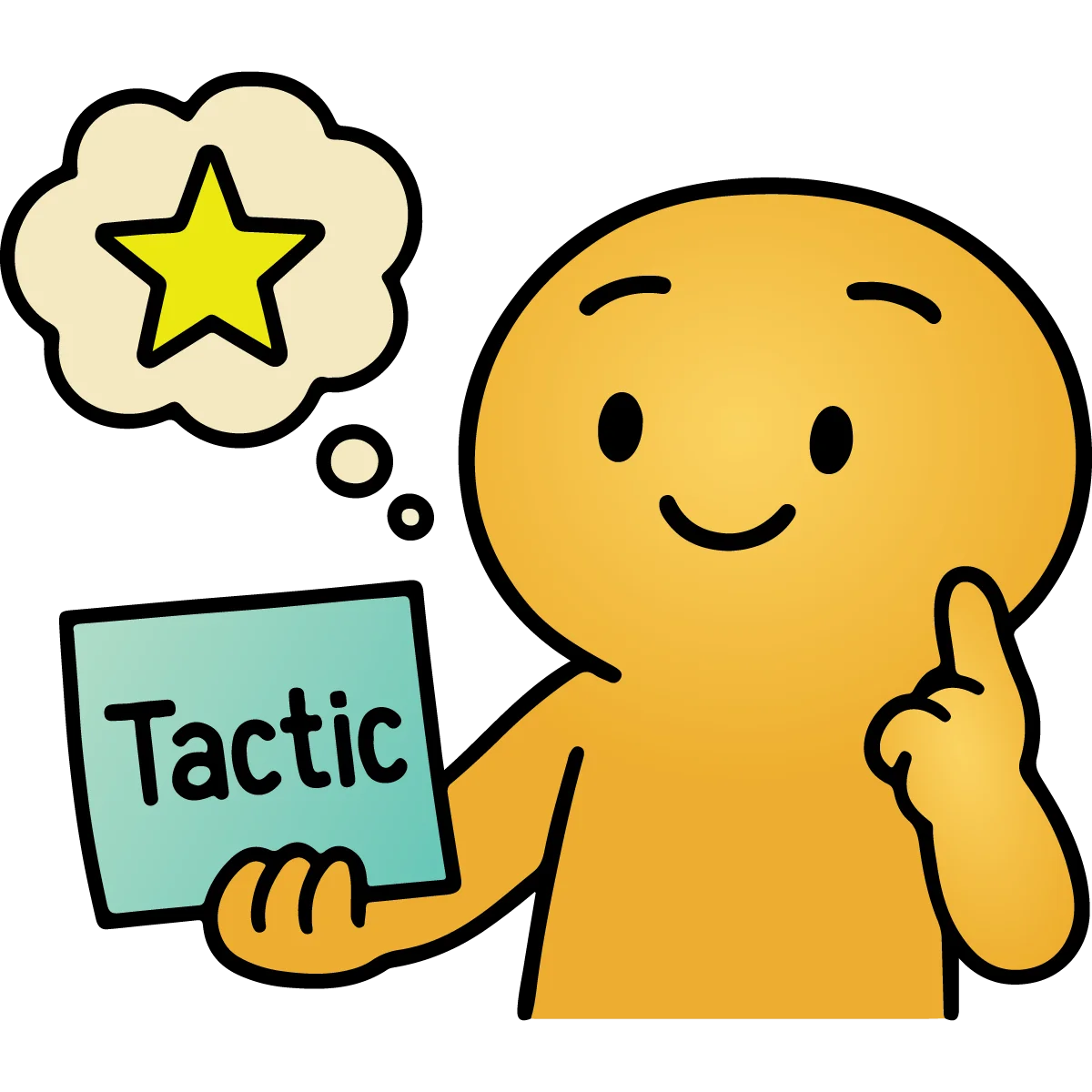
History Check
A way to look back at your past wins to build up your confidence for current challenges.
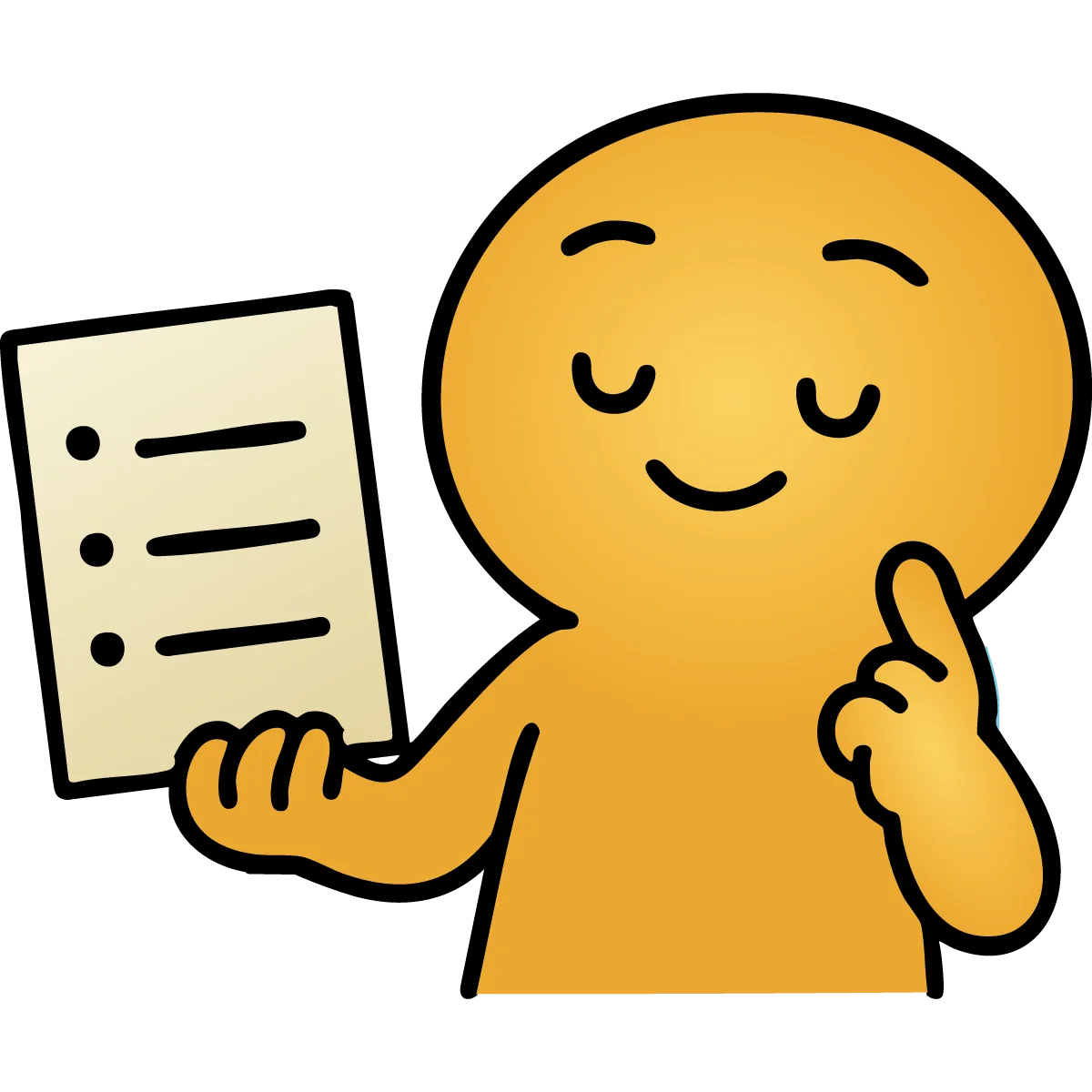
Tiny Outline First
A simple way to get moving on big tasks by jotting down three quick ideas before starting.
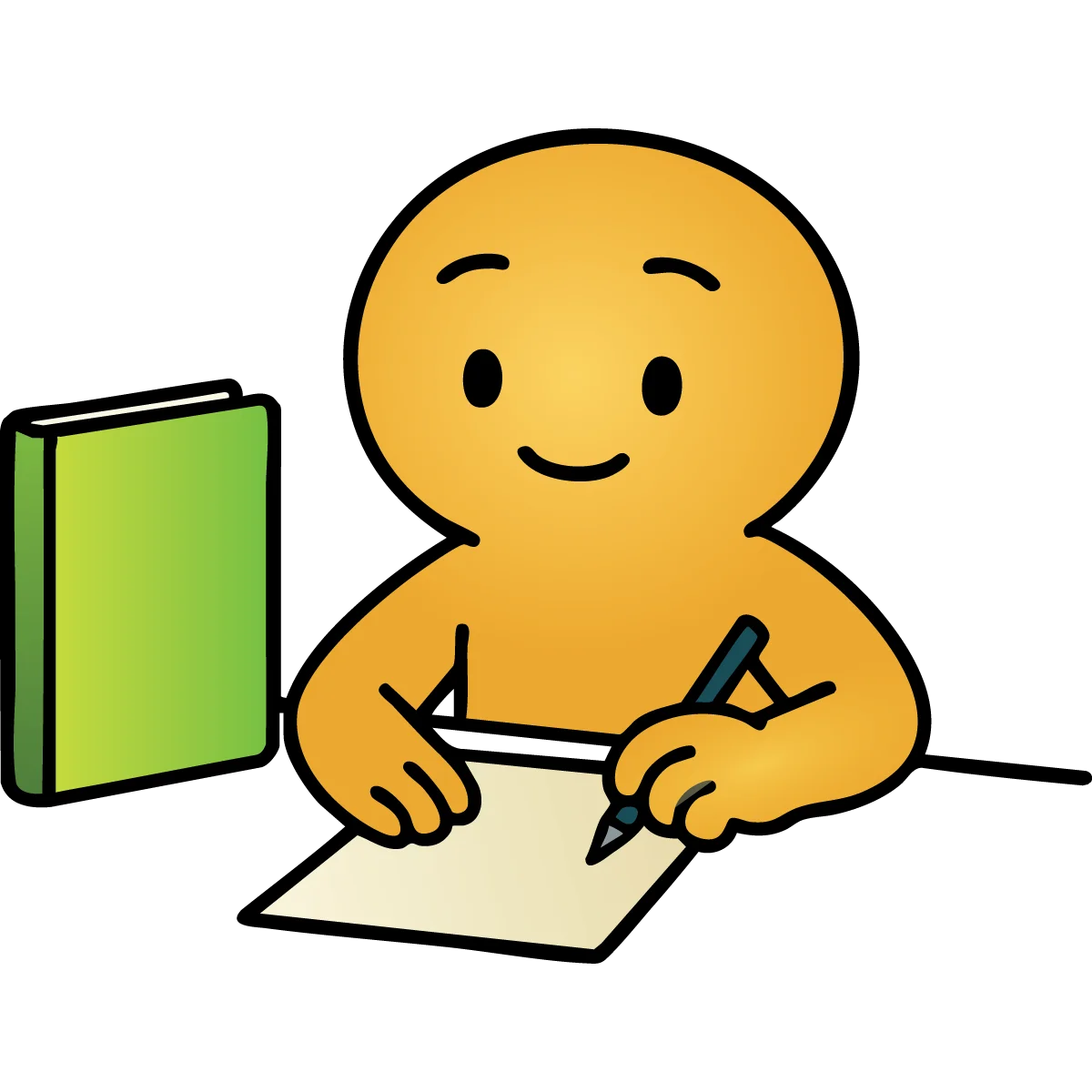
Blurting Recall
A study method where you write down everything you remember to find gaps and build focus.
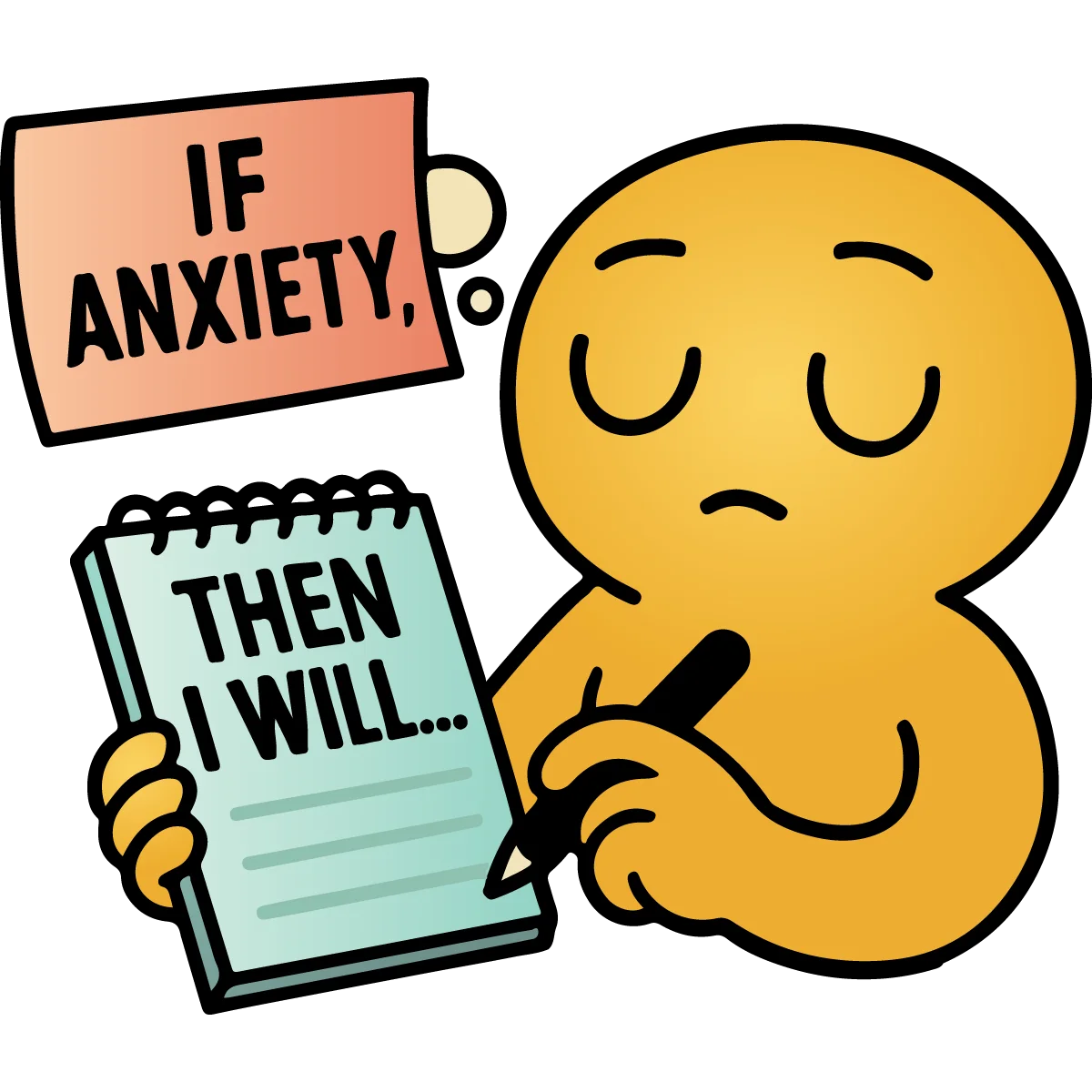
If/Then Plan
If/Then planning is a way to handle stress by choosing how to act before a worry happens.
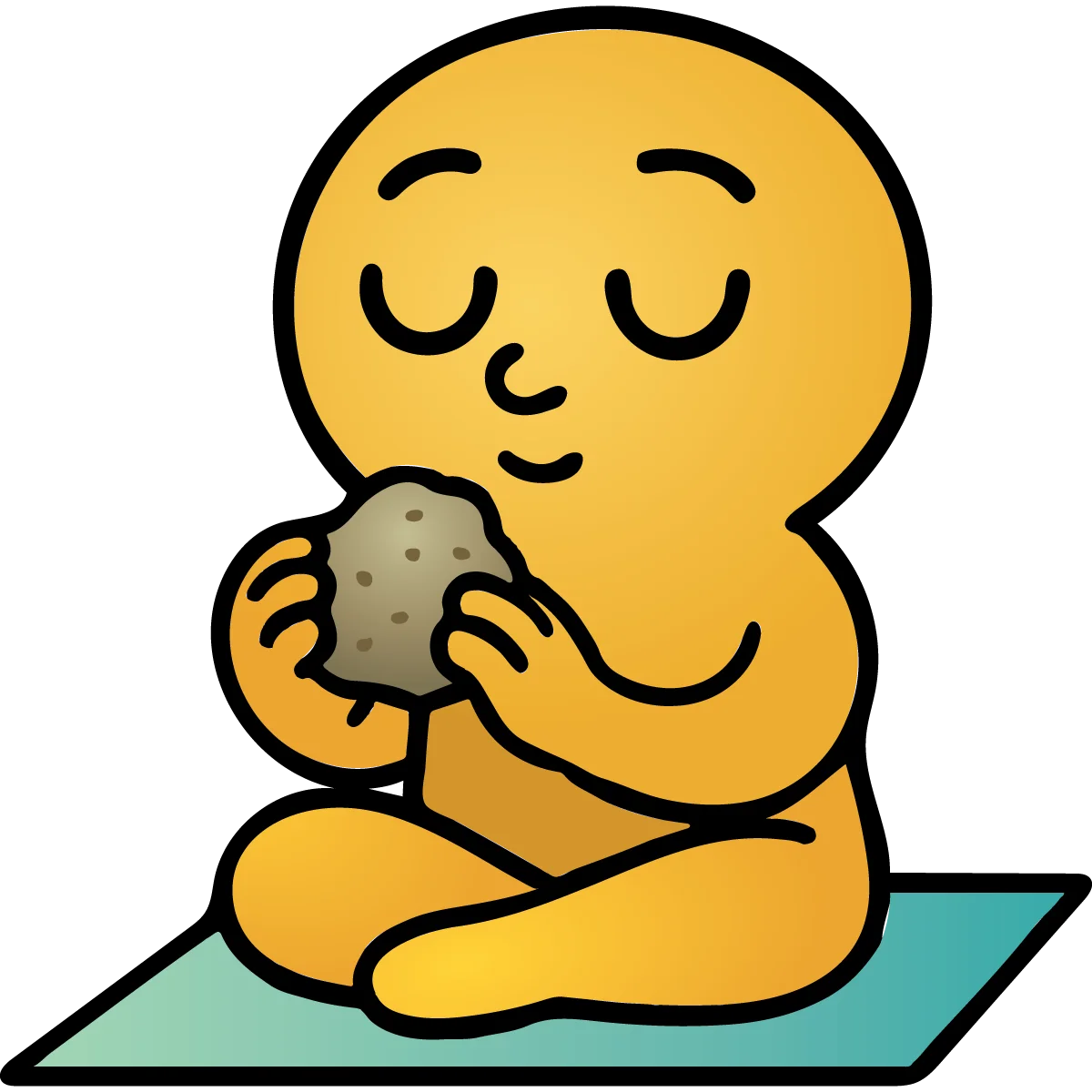
Texture Focus
A grounding method where you use your sense of touch to stay in the moment and calm your mind.
Closed-Book Q’s
A way to remember what you learn by asking and answering questions without looking at notes.
Sound Scan
A grounding tool where you listen for nearby, middle, and distant sounds to clear your mind.

Two-Minute Start
A simple way to stop putting things off by starting for just two minutes to build momentum.

Colour Hunt
A simple grounding tool to help you shift your focus from worry to the world around you.
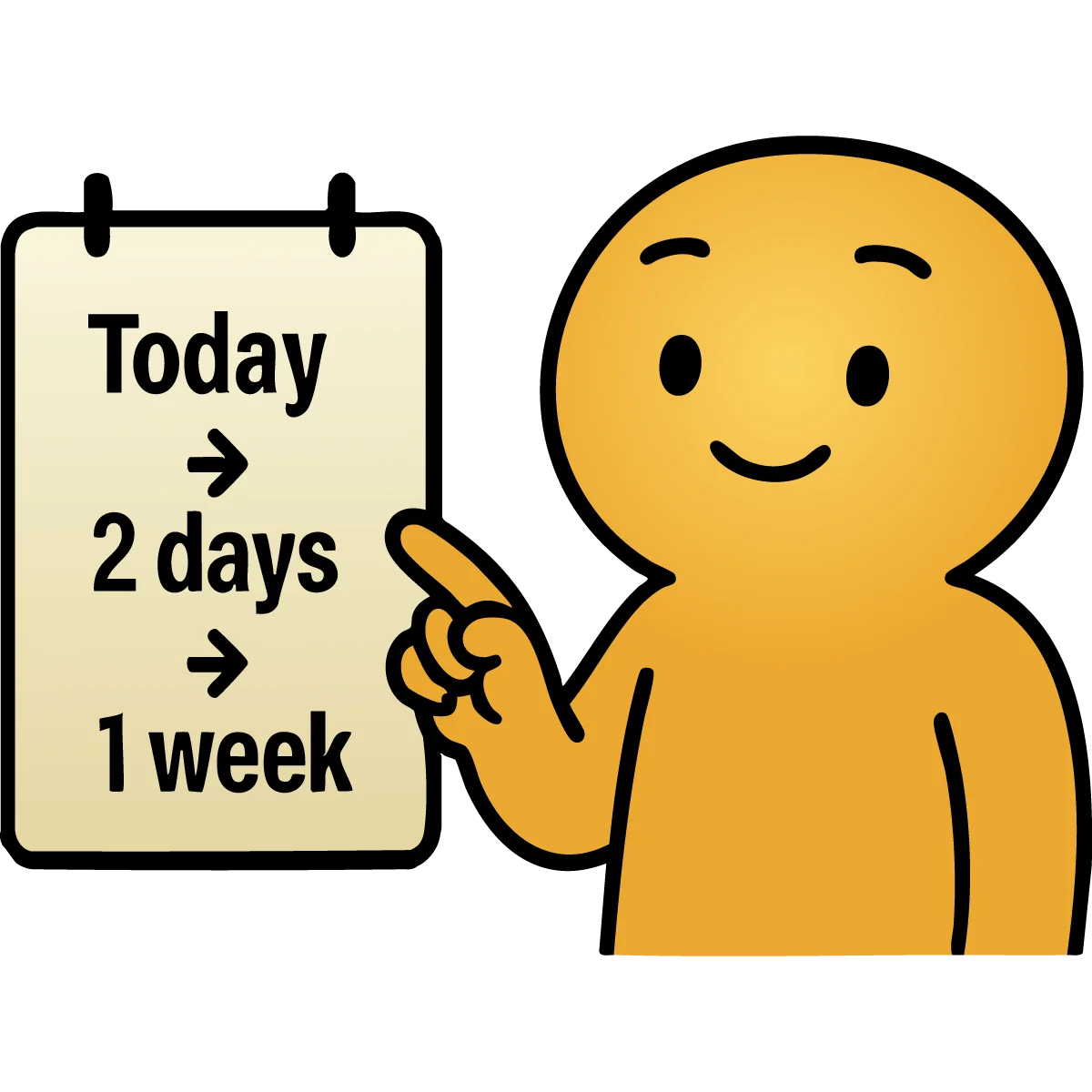
Spaced Reps
Reviewing information at increasing time intervals helps move new ideas into your long-term memory.
Three Options Map
A simple way to get unstuck by finding three paths forward and picking the easiest one.
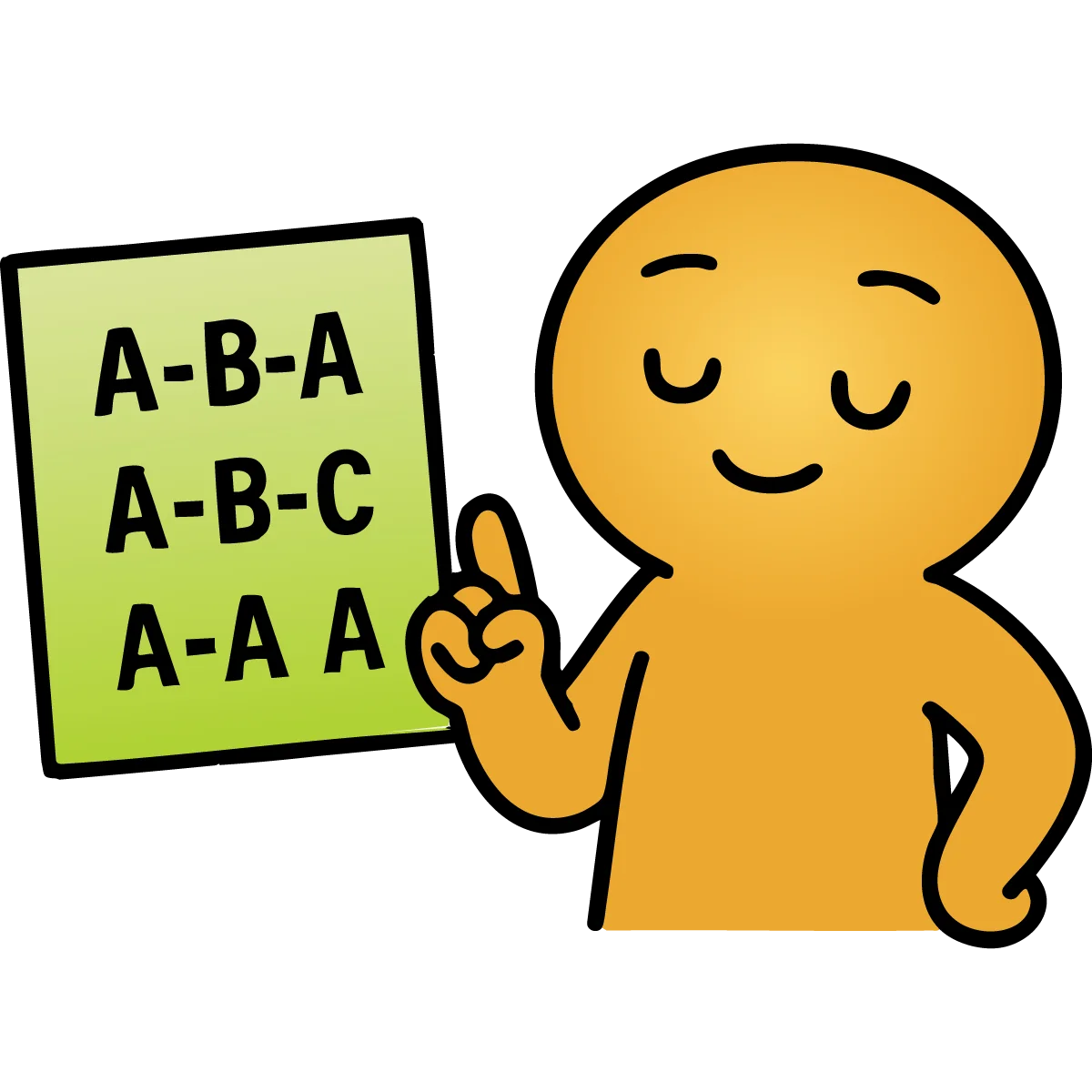
Mix It Up (Interleave)
Interleaving is a way to study by switching between different topics to help you remember more.
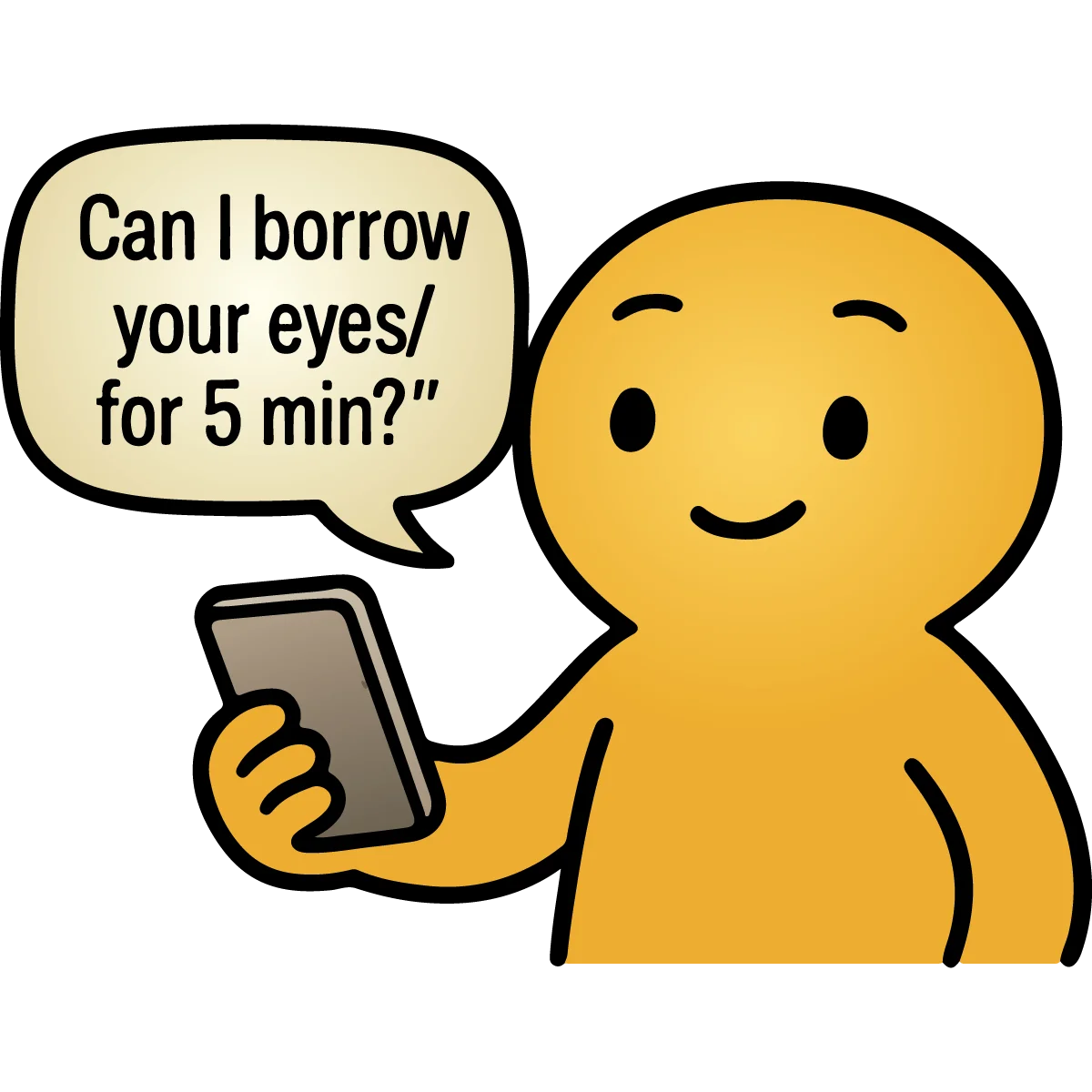
One Ask
A quick way to reach out for support by making small, specific, and timed requests.
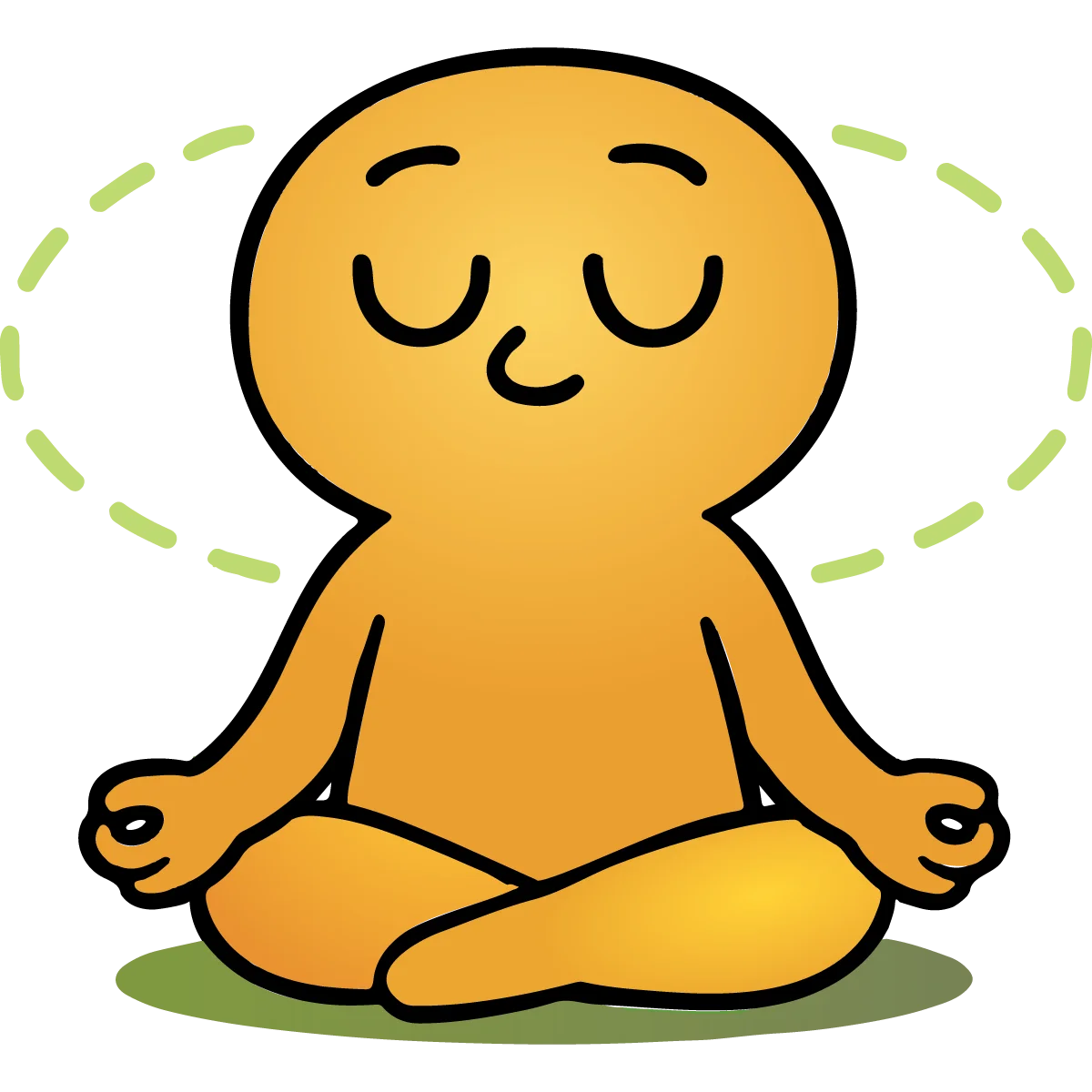
Soft Gaze
A way to relax your focus to help your mind and body feel more calm and steady.

Comfort vs. Safety
Learn to tell the difference between feeling safe and just staying in your comfort zone.
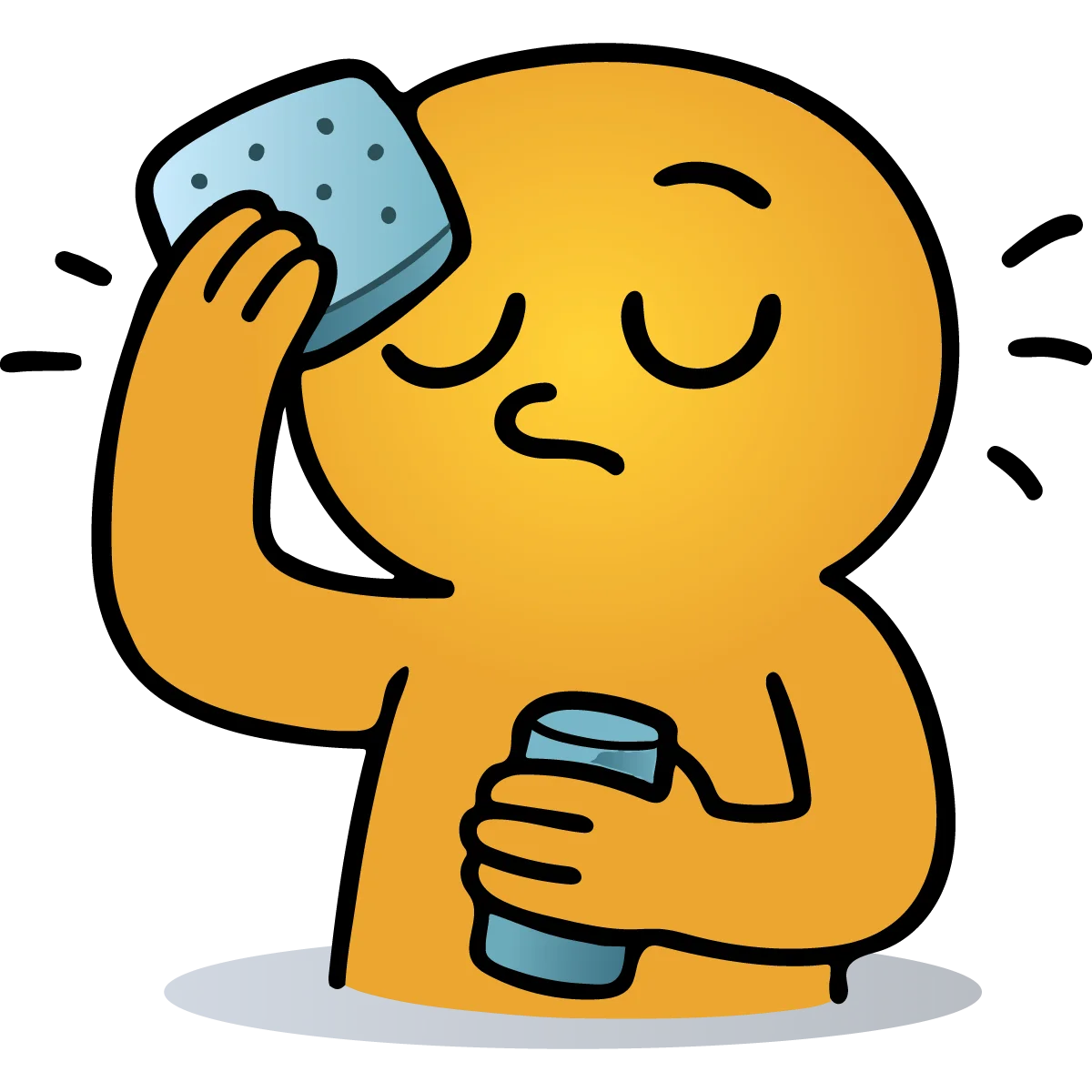
Cool-Down Reset
A physical way to lower stress by cooling your pulse points and using slow breathing.
Teach-It (Feynman Technique)
A method for learning complex ideas by explaining them in the simplest terms possible.

Anchor & Act
A simple grounding tool to help you stay steady when big feelings or stress start to take over.
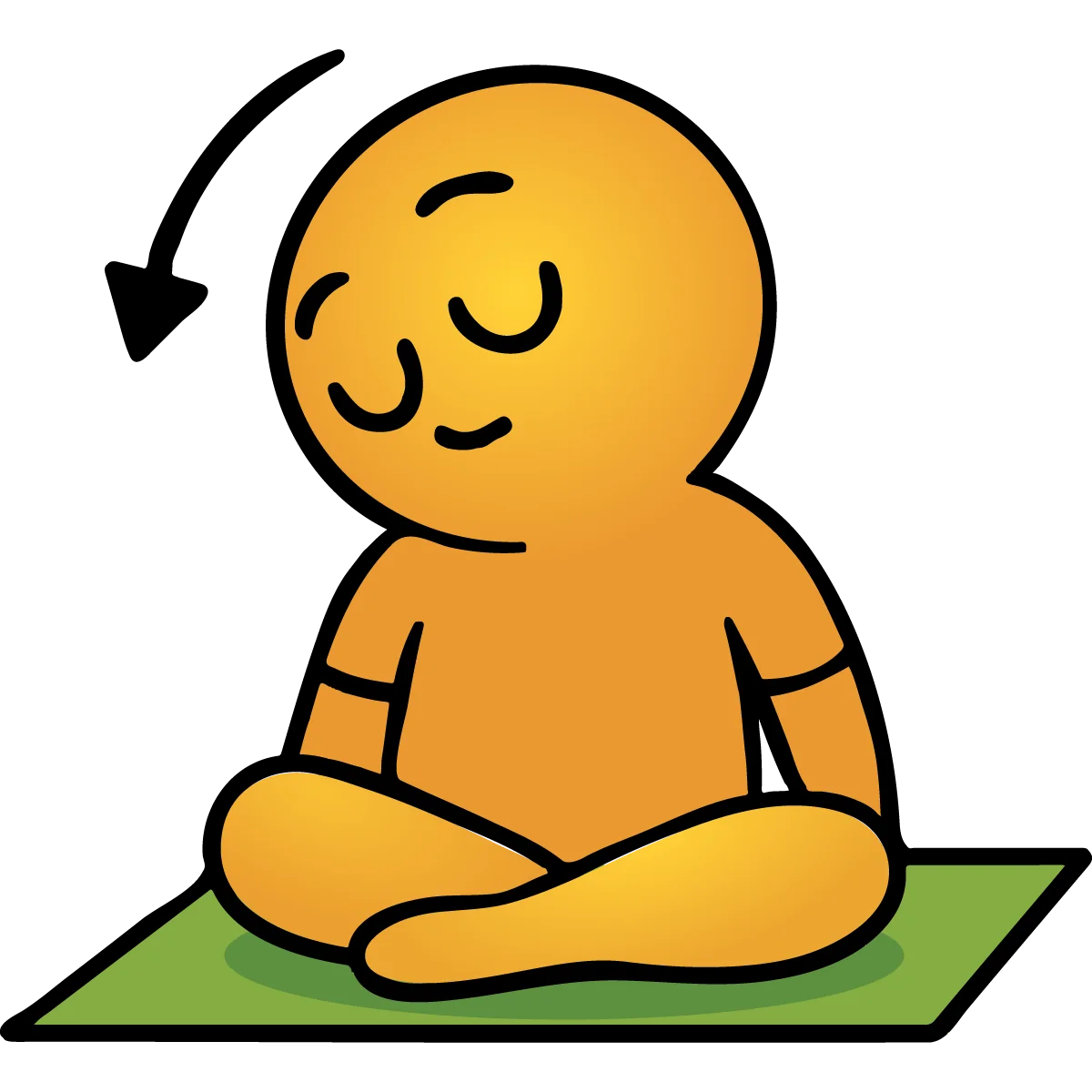
Neck Release Trio
A simple 30-second physical stretch to help release body tension and calm your mind down.

Question → Answer
A method to improve focus and memory by turning information headings into active questions.
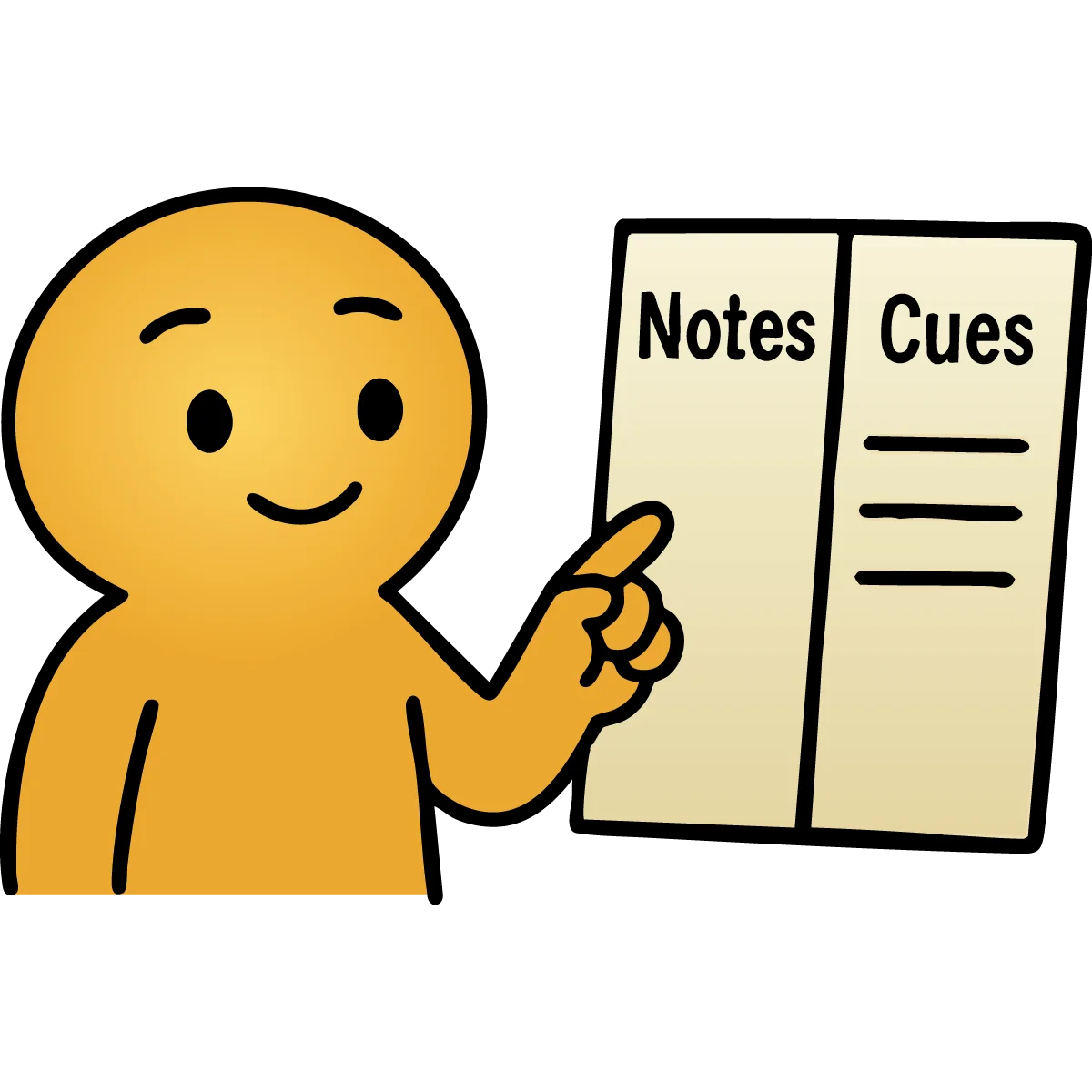
Cornell Notes
A layout for your notebook that helps you organize ideas and remember them for your exams.

Shoulder Roll Reset
A simple way to release upper-back tension and help your mind feel more steady using movement.

Sigh-Then-Do
A simple breathing exercise paired with a quick task to help lower stress and build focus.
After-Class 3-Min
A quick way to remember what you learned by writing down three ideas and one question right after class.

Face Melt
A simple way to relax your face and body to help lower stress in the moment.
Opposite Action (Mini)
Learn how to handle intense feelings by doing the tiny opposite of what they tell you to do.

Palm Warm-Up Reset
A physical exercise using hand warmth and focus to help the body find calm and focus.
Real-Life Example
Using personal stories to make sense of big ideas and improve your daily habits.

Values Arrow
Focus on your personal priorities and take a small action to manage stress and stay on track.

Calf Pump Reset
A simple way to boost blood flow and clear your head by moving your calf muscles.

Courage Token
A physical tool used to notice and celebrate moments where you act despite feeling afraid.
Mistake Log
A simple way to track your slips and their fixes to help your brain learn faster.
3×3 Exposure
A practical way to face fears by breaking them into small steps and staying present.

Wall Push Reset
A physical grounding technique using wall pressure to help settle the body and clear the mind.

Warm-Up Question
A simple way to build momentum by starting tasks with a quick success to lower stress.

Forward Fold Reset
A simple body-based move to help you feel steady and calm during stressful moments.

Ladder the Task
Breaking big goals into tiny 5 to 10 minute steps helps you get started without feeling stuck.

Social Nudge
A simple way to encourage connection by using tiny, low-pressure prompts for yourself.
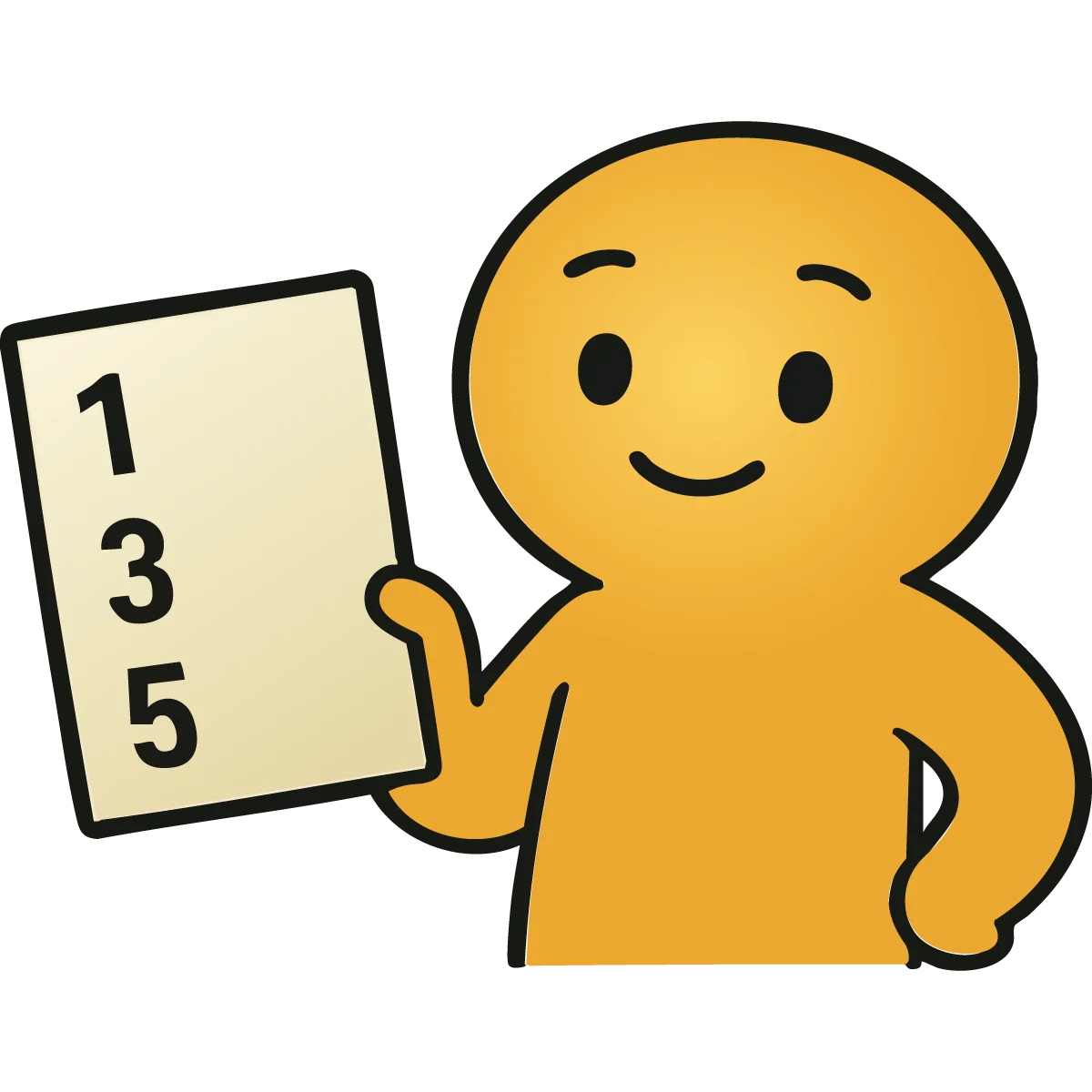
1-3-5 Plan
A simple way to organize your day by picking one big goal, three medium tasks, and five small wins.

Fact vs. Story
A simple way to separate objective facts from the stressful stories our brains create.
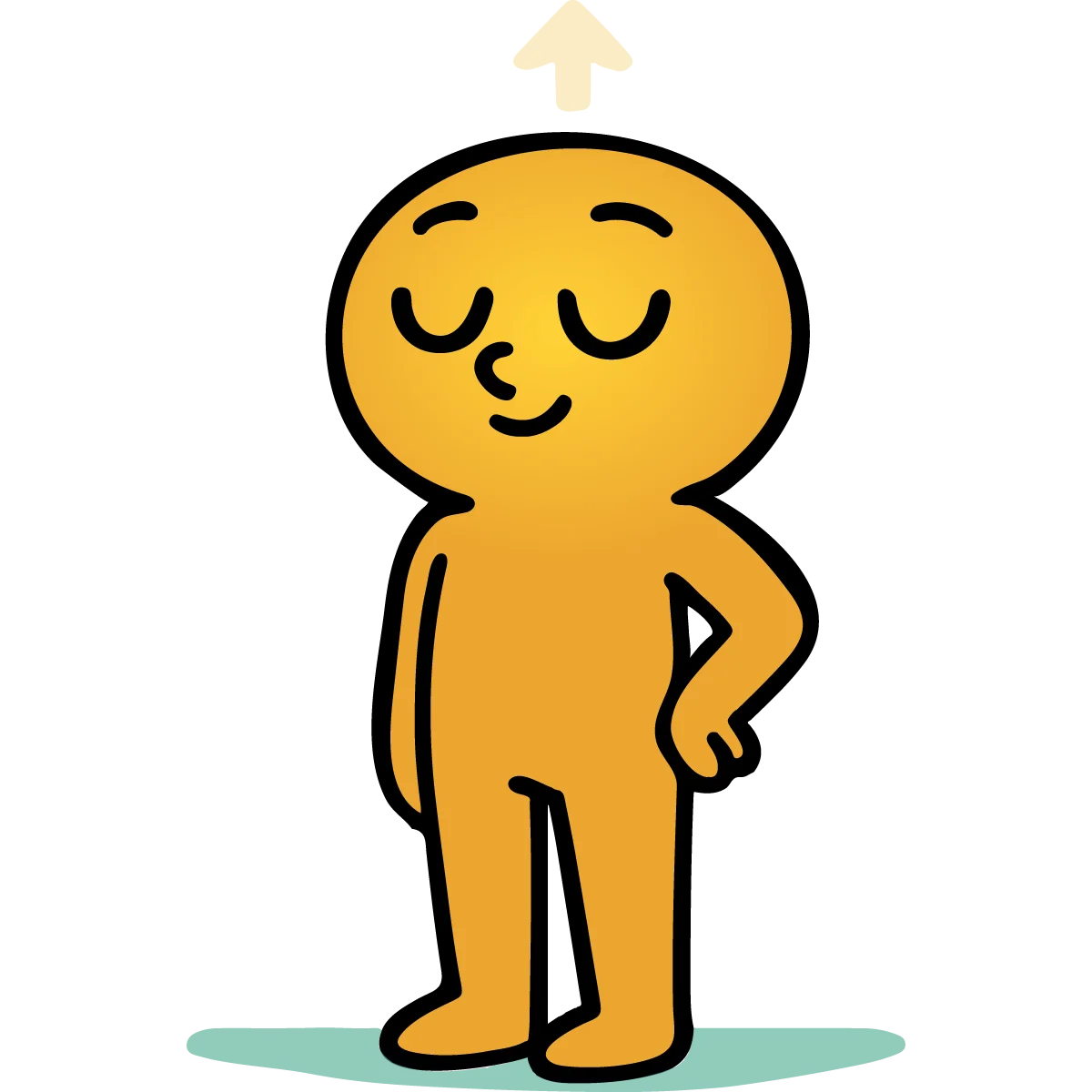
Posture Reset
A simple way to shift how you feel by changing how you stand and breathe.
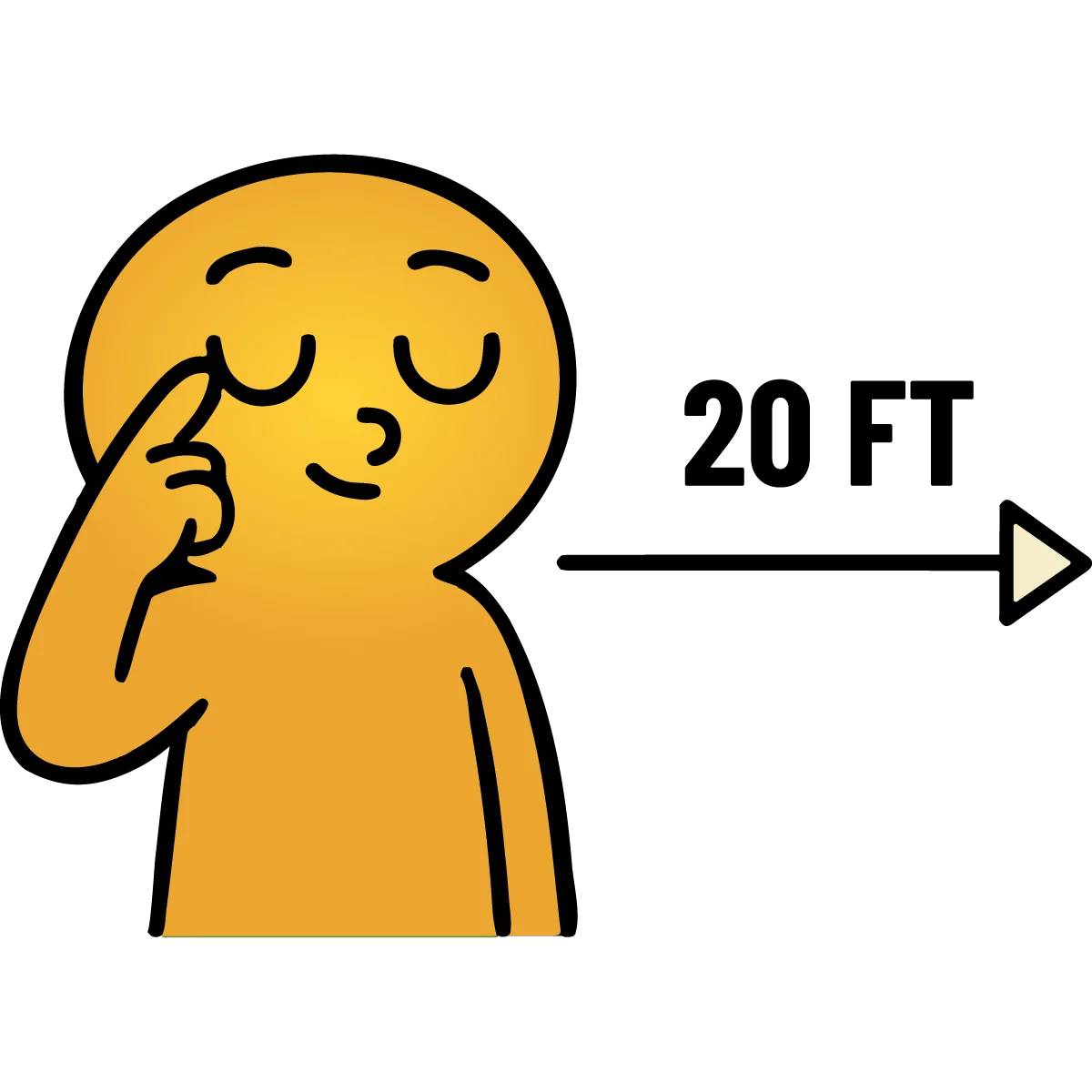
20-20-20 Eye Break
A simple way to rest your eyes and reset your focus during long study sessions on screens.

MIT Before Phone
Tackle your most important task of the day before you even touch your smartphone.
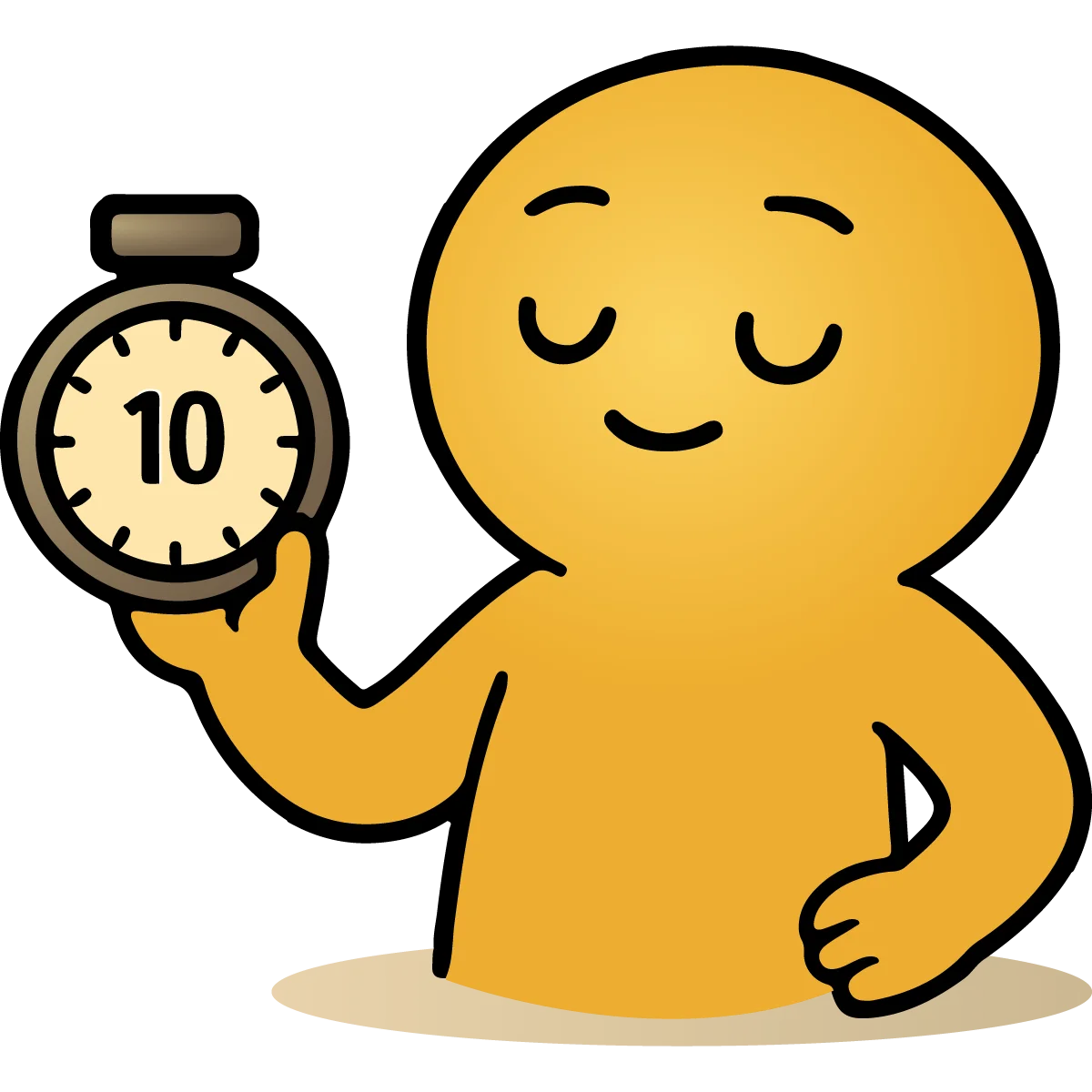
Timer Sprint
A way to handle big tasks by breaking them into small, timed windows of focused work.

Butterfly Hug
A rhythmic tapping technique that helps calm your nervous system and manage stress.
Inbox Freeze
A simple way to stop digital distractions by closing messaging apps during focus time.
Posture Flip & Move
Stand tall, open your chest, and walk to help lower stress and improve your overall mood.
App Blockers On
A way to quiet phone distractions and manage your time so you can stay focused on what you're doing.
Five-Word Check-In
A quick way to label how you are feeling in five words or less to help calm your mind.
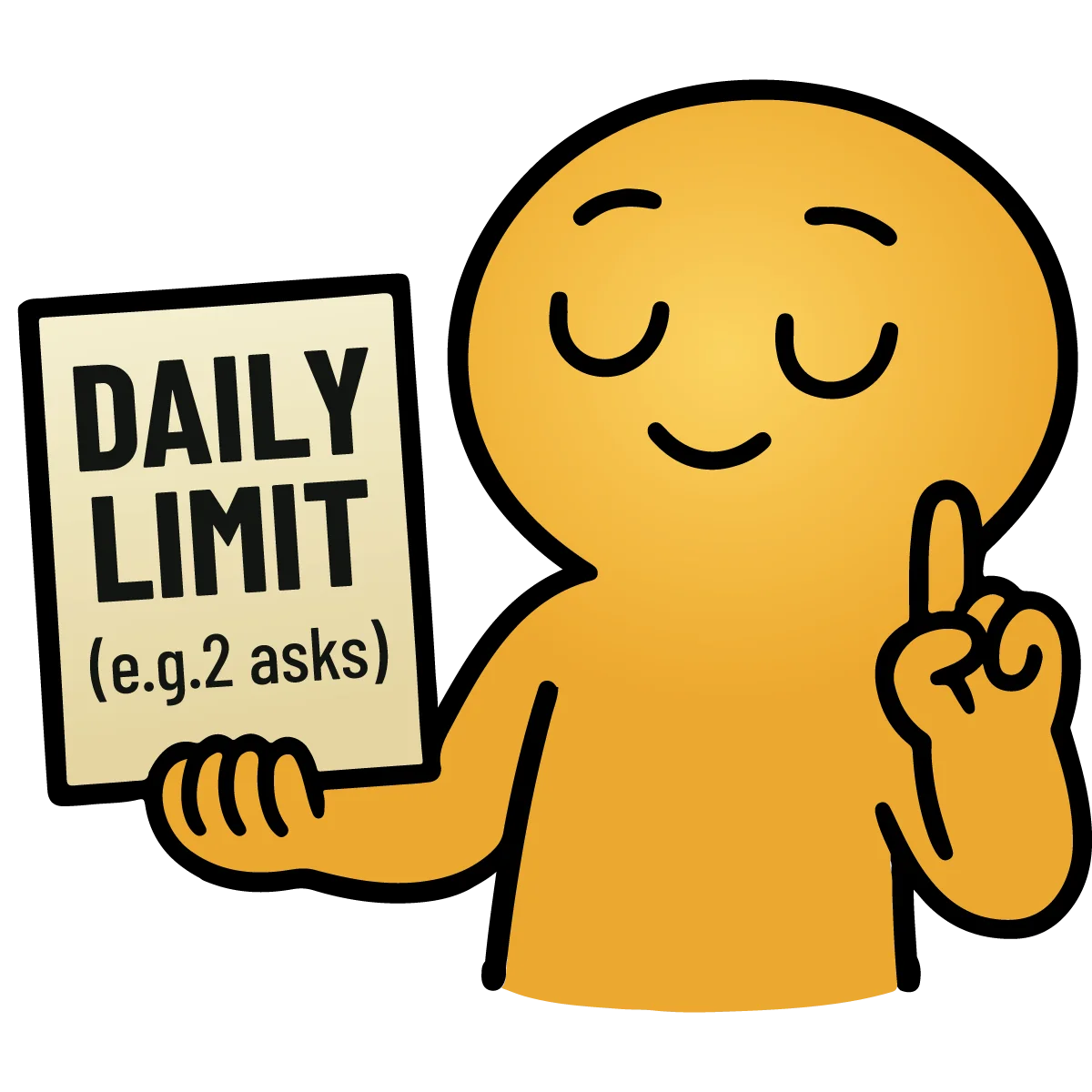
Reassurance Budget
A practical tool for setting daily limits on asking for reassurance to help manage worry.
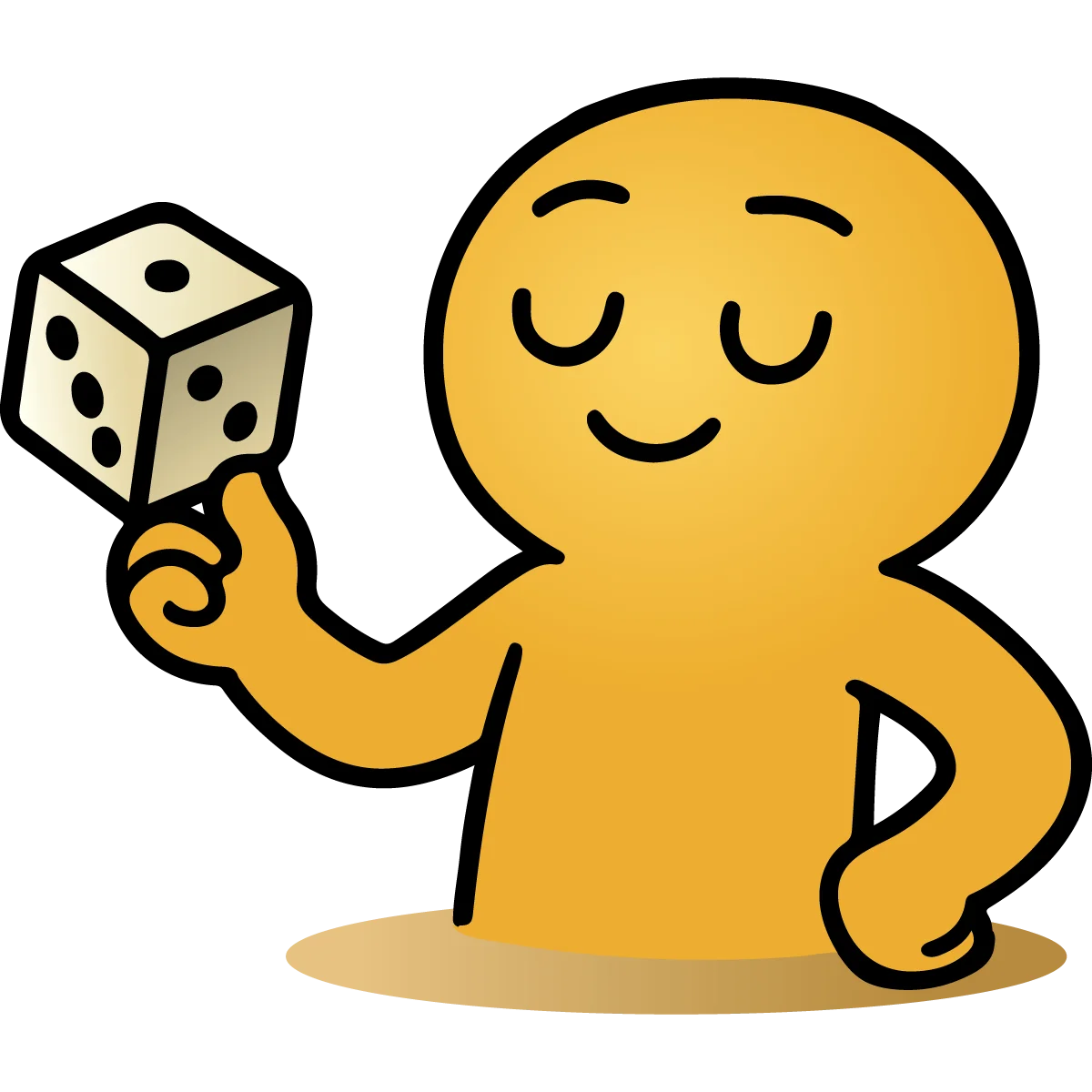
Decision Dice
Flipping a coin can help you figure out what you actually want when you are feeling stuck.
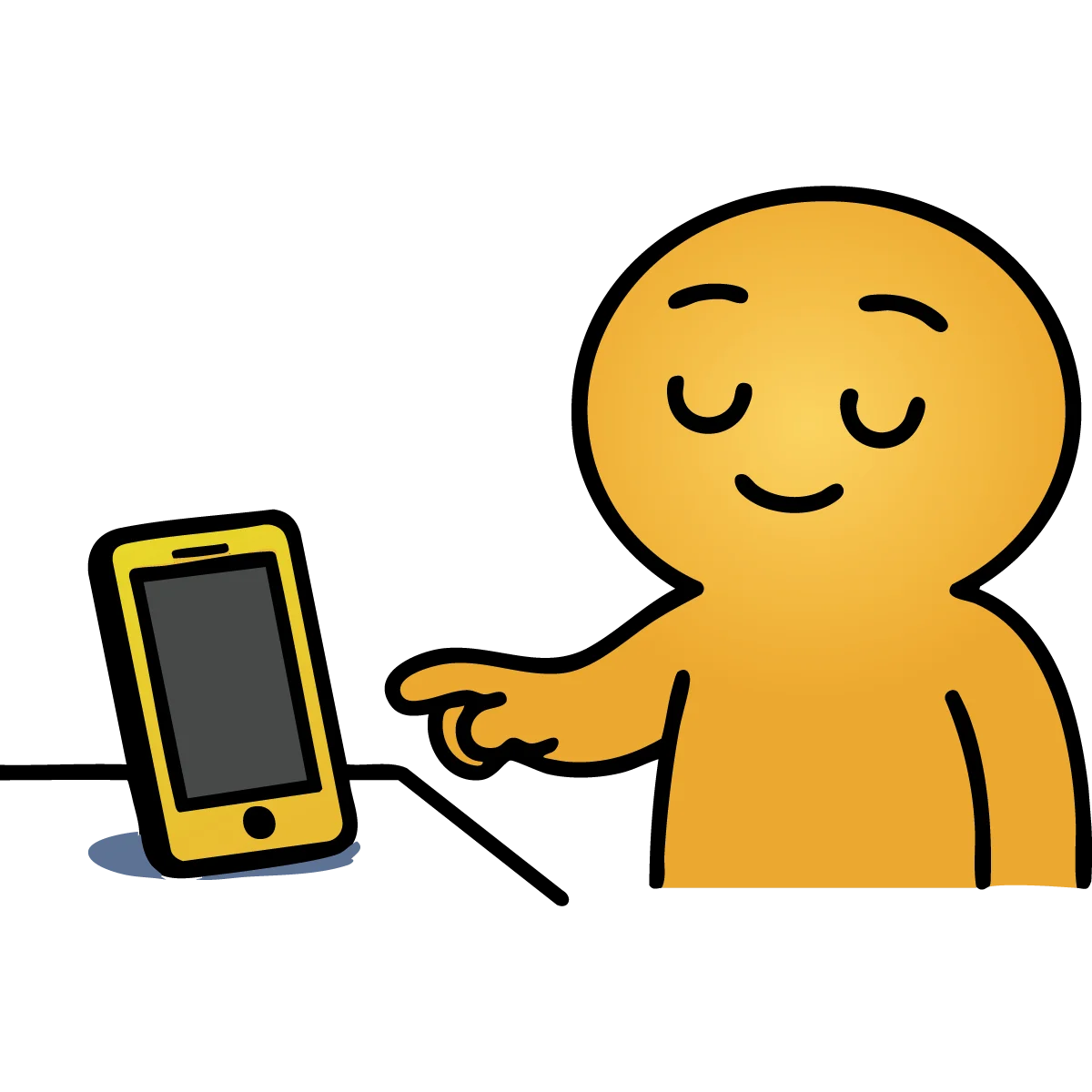
Phone in Another Room
A method of placing your phone in a separate space to improve focus and lower the urge to check it.
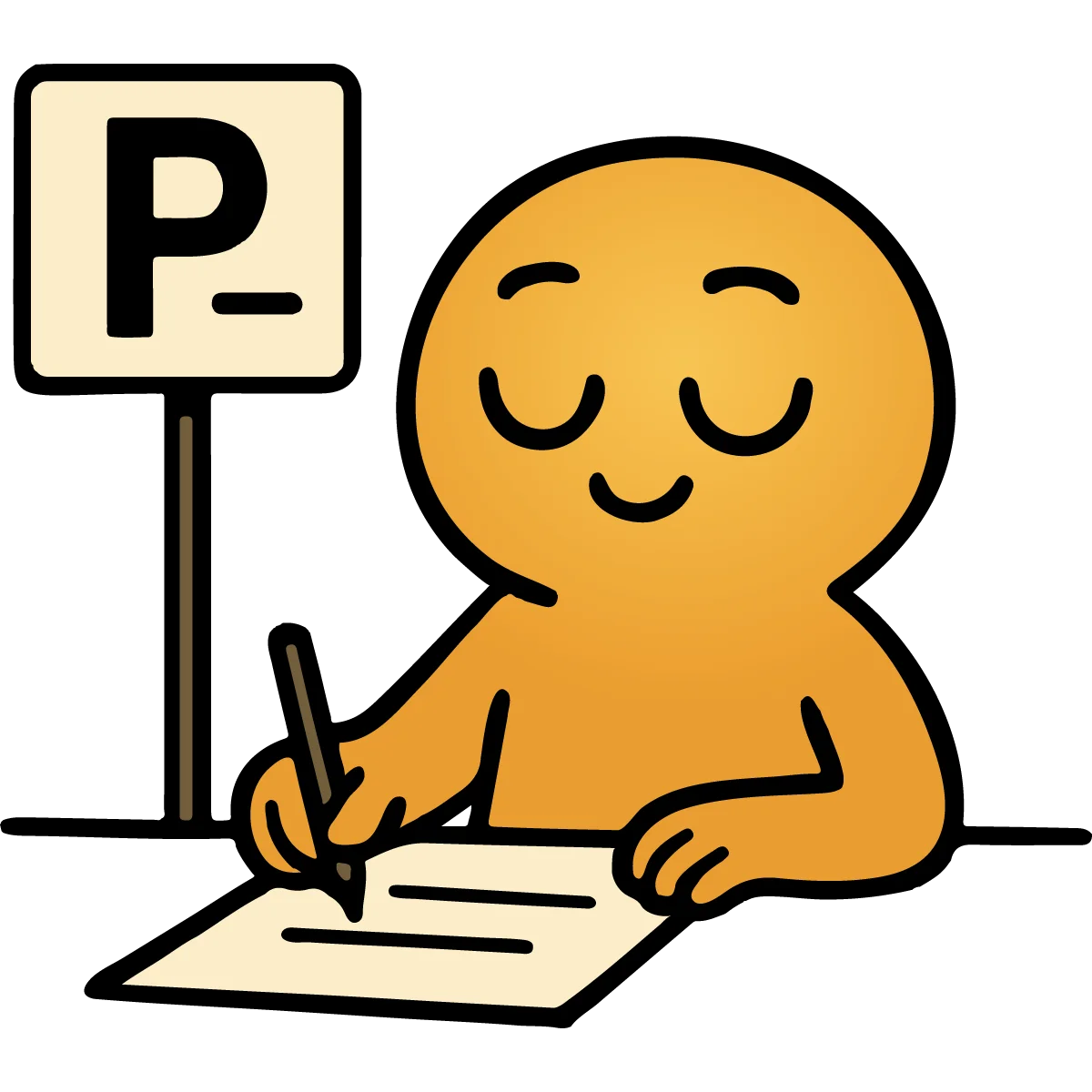
Worry Parking Lot
A way to manage stress by writing down worries and saving them for a specific time later.
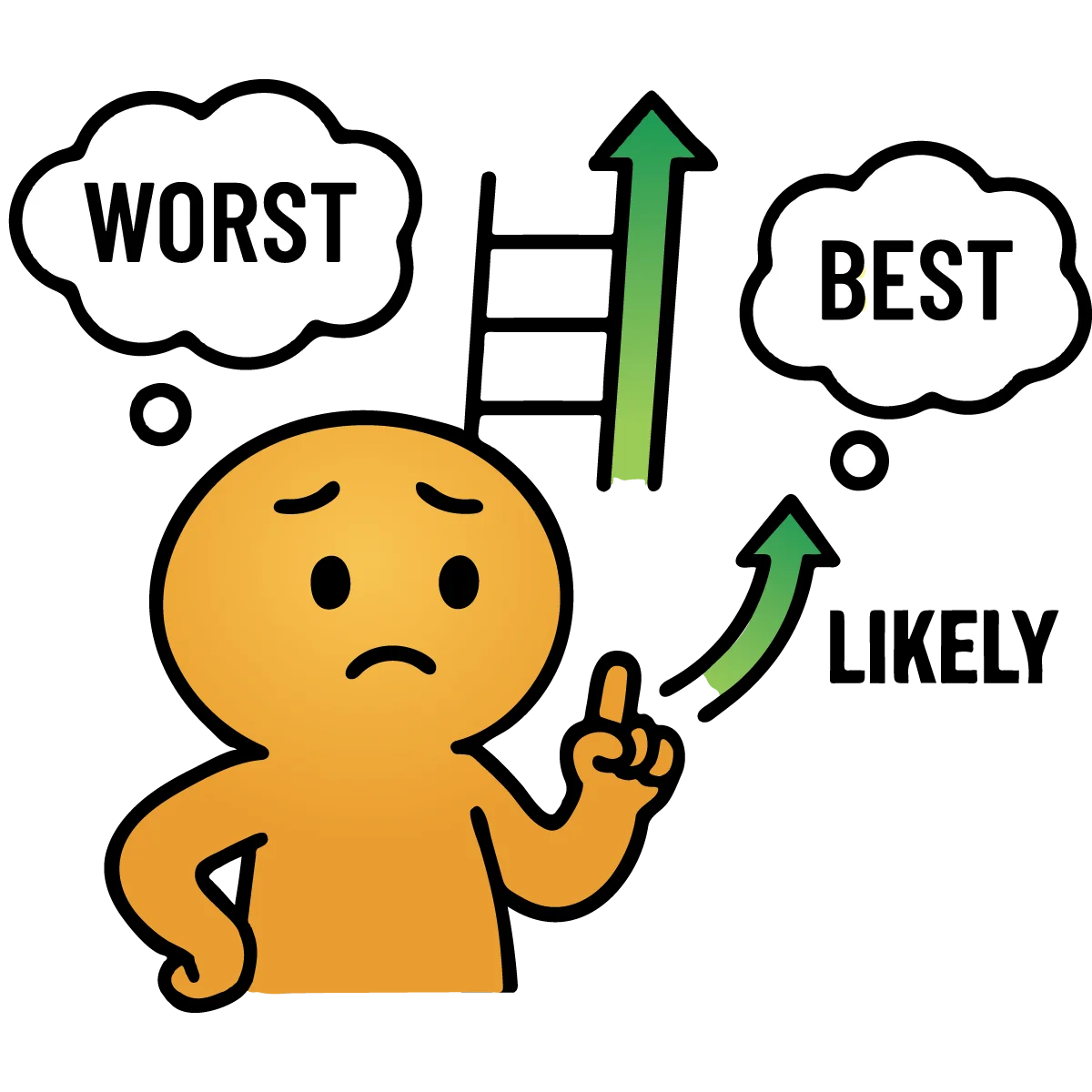
Catastrophe Ladder
A tool to help organize scary thoughts by looking at worst, likely, and best outcomes.
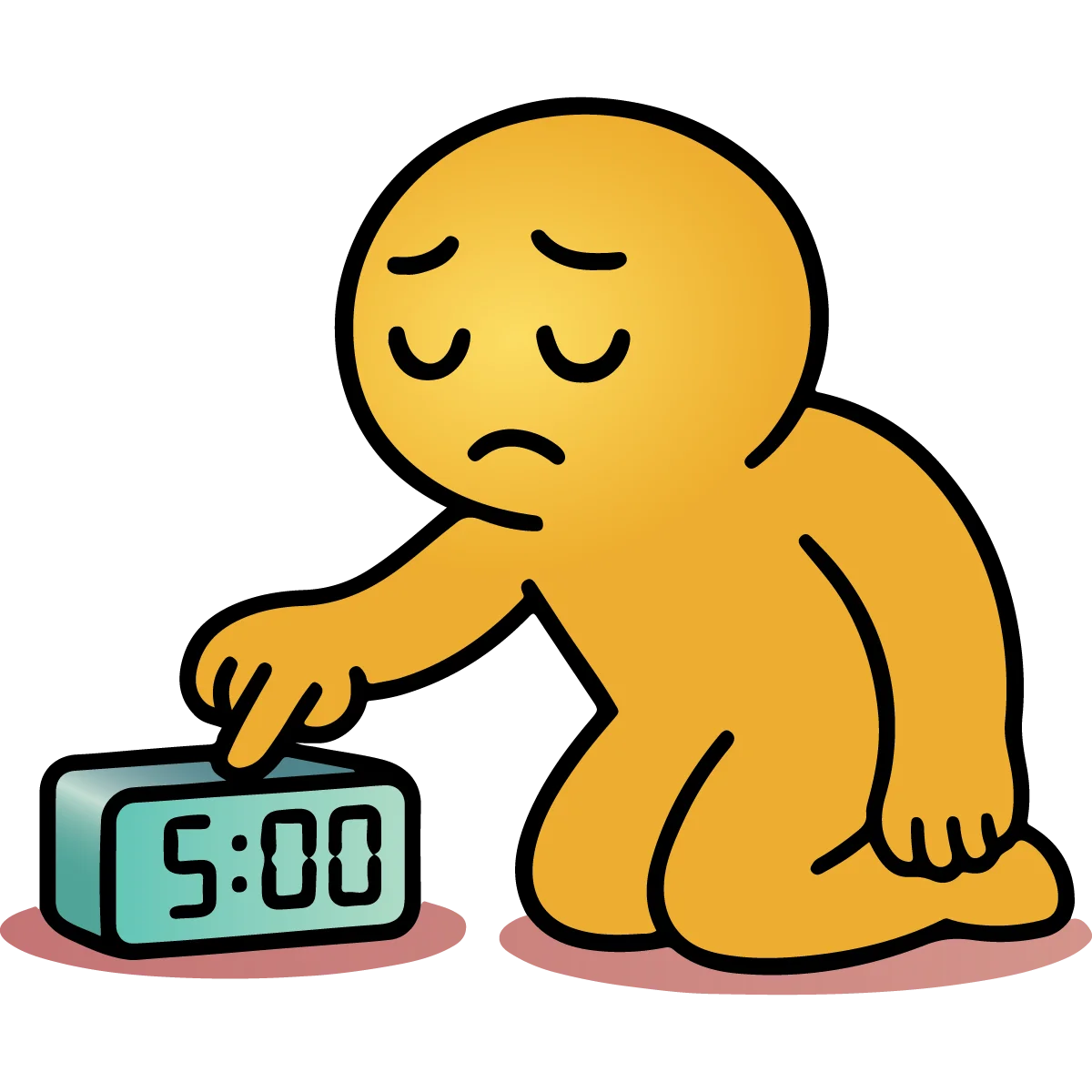
Five-Minute Rule
A simple way to get moving on hard tasks by promising yourself you only have to do five minutes.
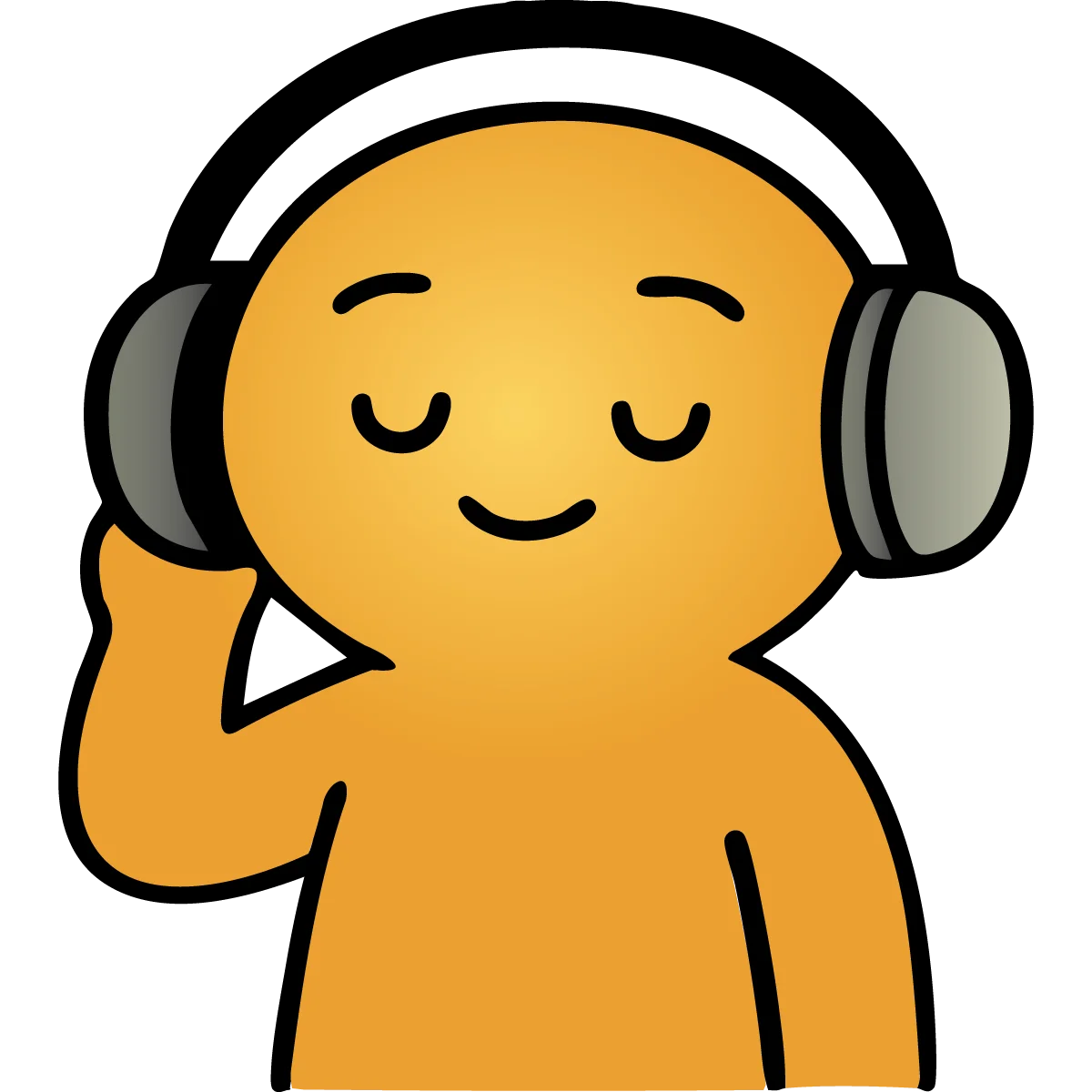
Noise Choice
Using steady background sounds at low volume to help mask distractions and improve focus during tasks.

Good-Enough Line
A way to set realistic goals to help lower stress and stop overthinking tasks.

Music Rules
Using music without understandable lyrics to help your mind stay clear and focused on your work.
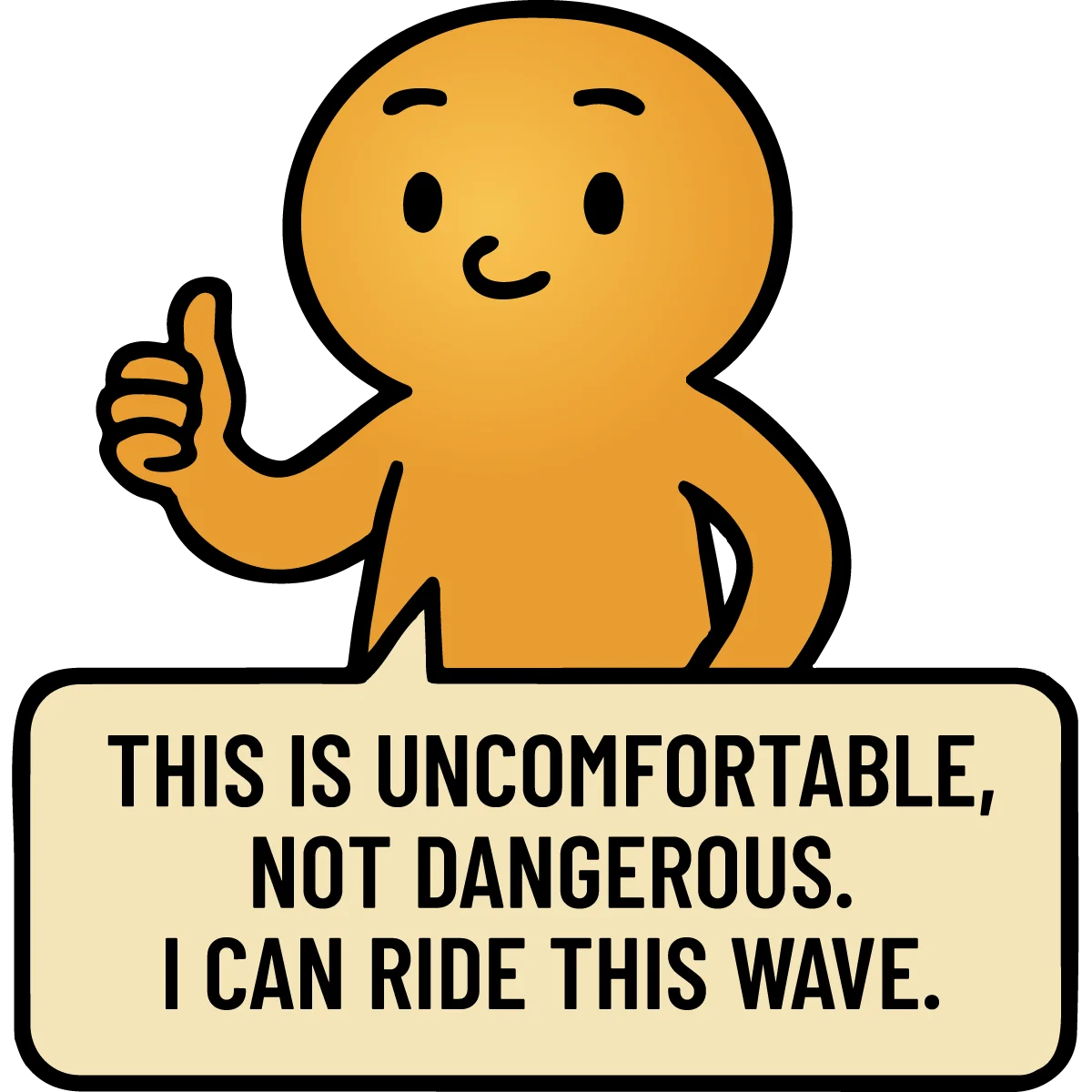
Uncomfortable, Not Dangerous
A way to handle tough feelings by telling the difference between a real threat and a bad mood.

Future-You Credit
A technique for connecting your current actions to future rewards to help build lasting habits.

Posture Flip
A simple tool to help improve your mood and focus by making small changes to how you sit or stand.
Smallest Next Step
A quick way to stop feeling stuck by finding the tiniest action you can take right now.

Hydrate + Smart Snack
Learn how drinking water and eating a balanced snack can help your brain stay focused and calm.
Three Good Things
A daily practice of noting three positive events to help improve mood and focus on the good.

Uncertainty Reps
Practising small moments of not-knowing to help the brain handle unpredictable situations better.

Light & Air Reset
A quick way to calm your system using natural morning light and steady, slow breathing.
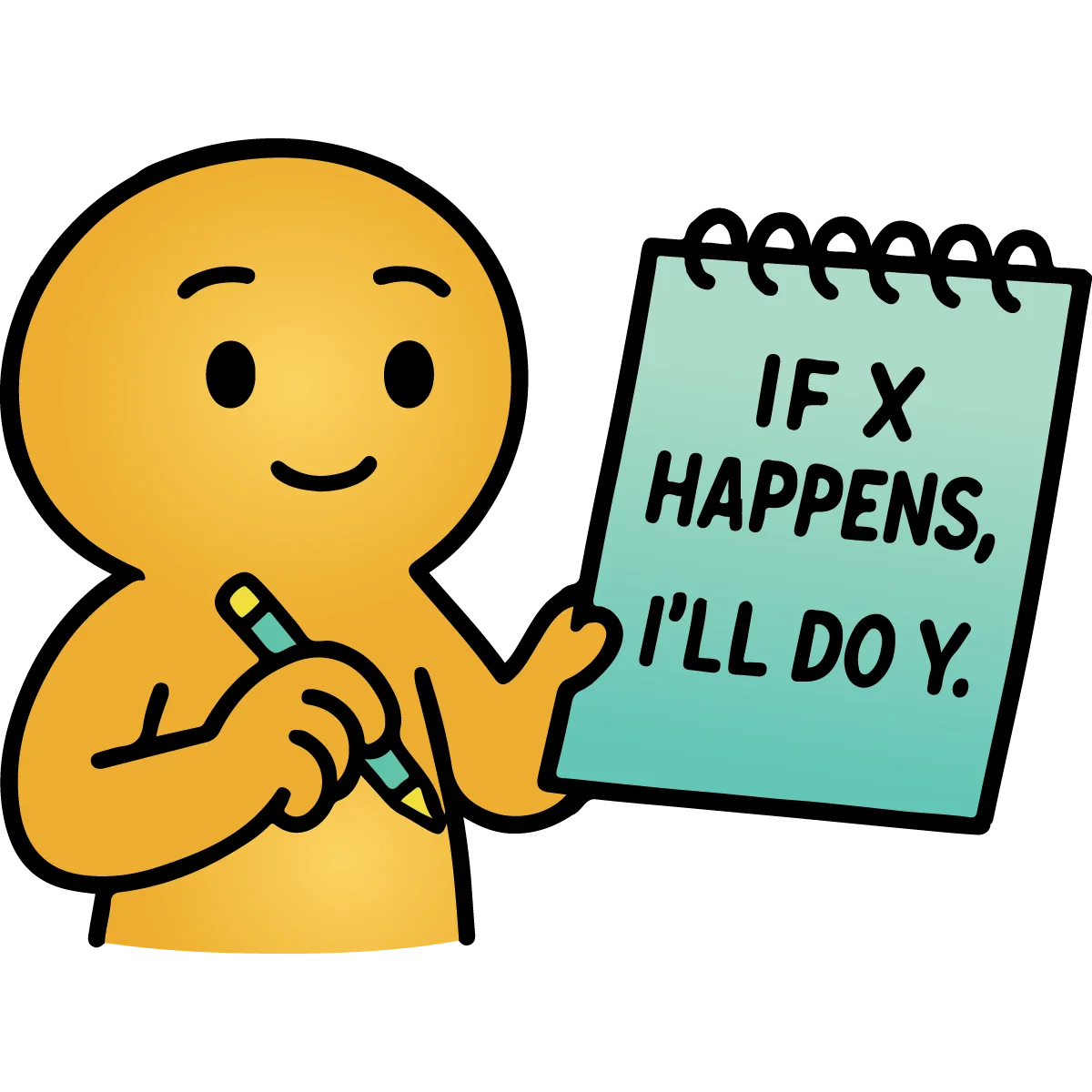
Plan B Sketch
A simple way to handle worries by making a quick if-then plan for when things feel tough.
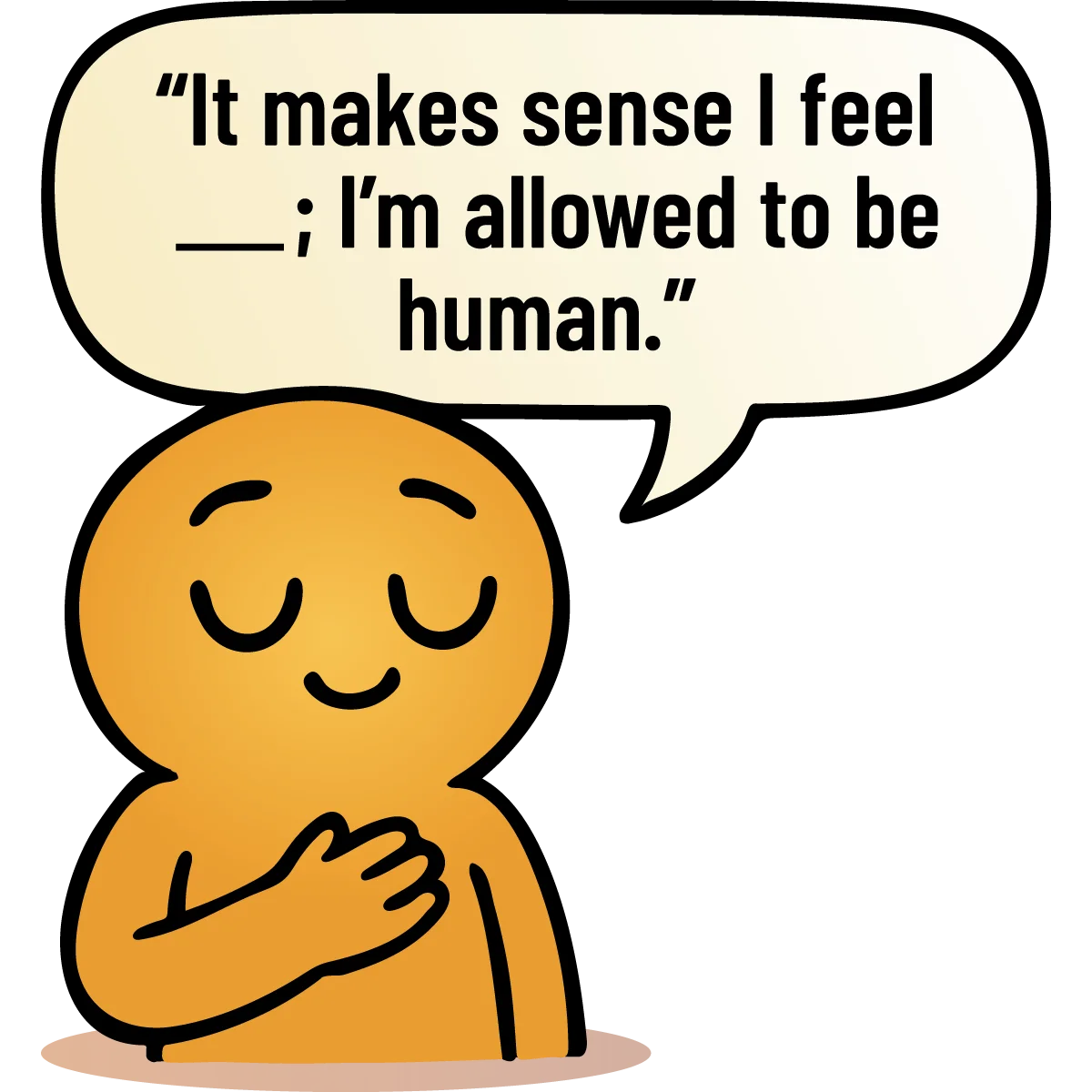
Self-Kind Sentence
Use a simple two-part phrase to quiet your inner critic and stay calm during tough times.
Movement Microburst
A quick 30-second burst of physical activity used to reset your focus and lower stress during tasks.
Support Swap
A way to balance helping others with getting the support you need through mutual exchange.
Two-Minute Tidy
A quick way to clear your space and calm your mind by focusing on one small task for two minutes.
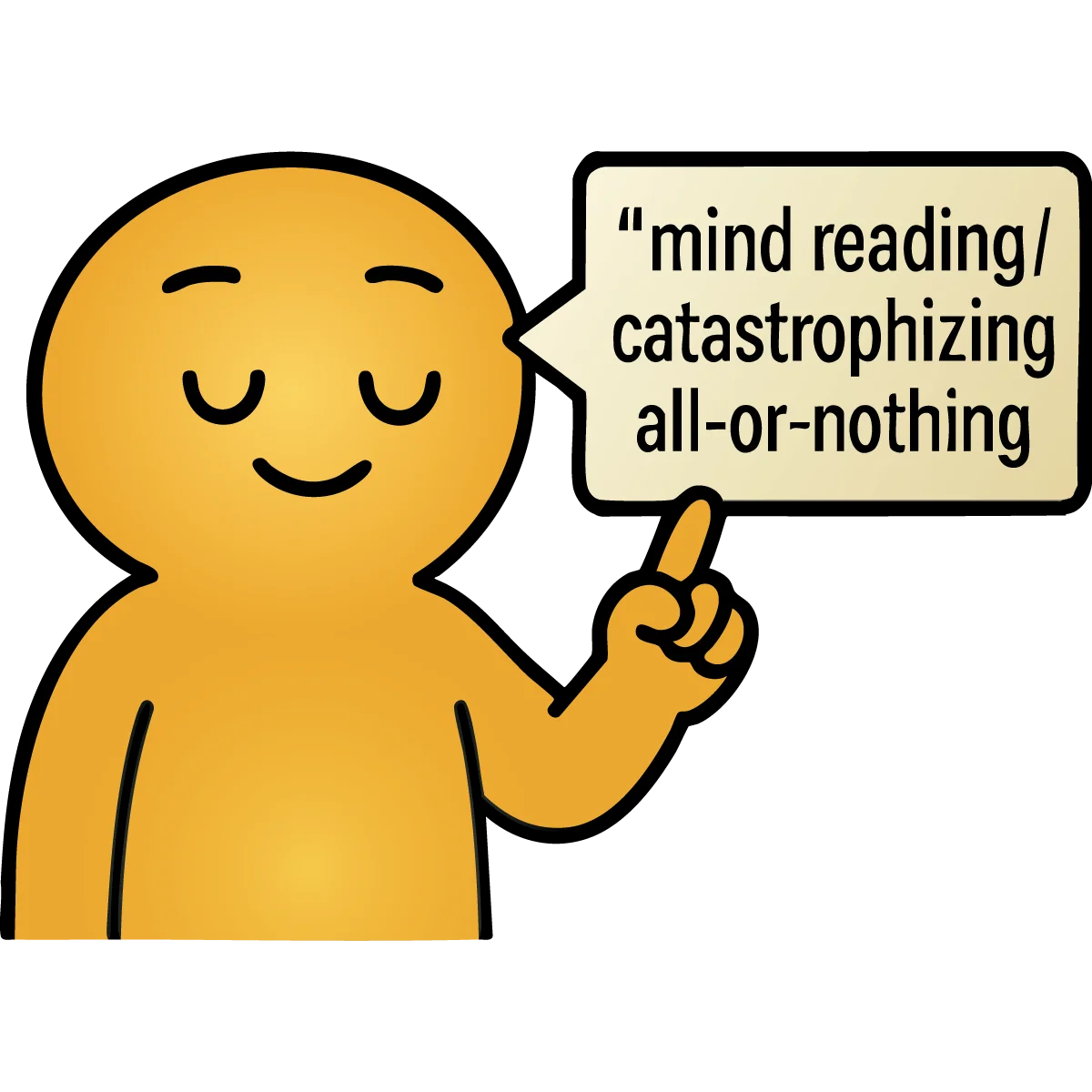
Label the Pattern
Learn how to identify and name tricky thinking patterns to help calm your mind.

Micro-Inbox Sweep
A quick way to clear exactly three email items to help lower stress and build focus and control.
Visual Progress Bar
A simple way to see your success by filling in boxes for every small task you complete.
Check-Box Dopamine
Break big tasks into three to five tiny steps and check them off to feel good and keep going.
Hydrate + Stretch
A simple way to reset your energy and focus using water and light movement.

What Else Is True?
A helpful way to challenge scary thoughts by looking for other possible outcomes or reasons.
Backplan From Due Date
A way to organize big projects by starting at the deadline and mapping out steps in reverse.

Fresh Air Minute
A quick way to reset your mood by stepping outside and breathing in natural light.
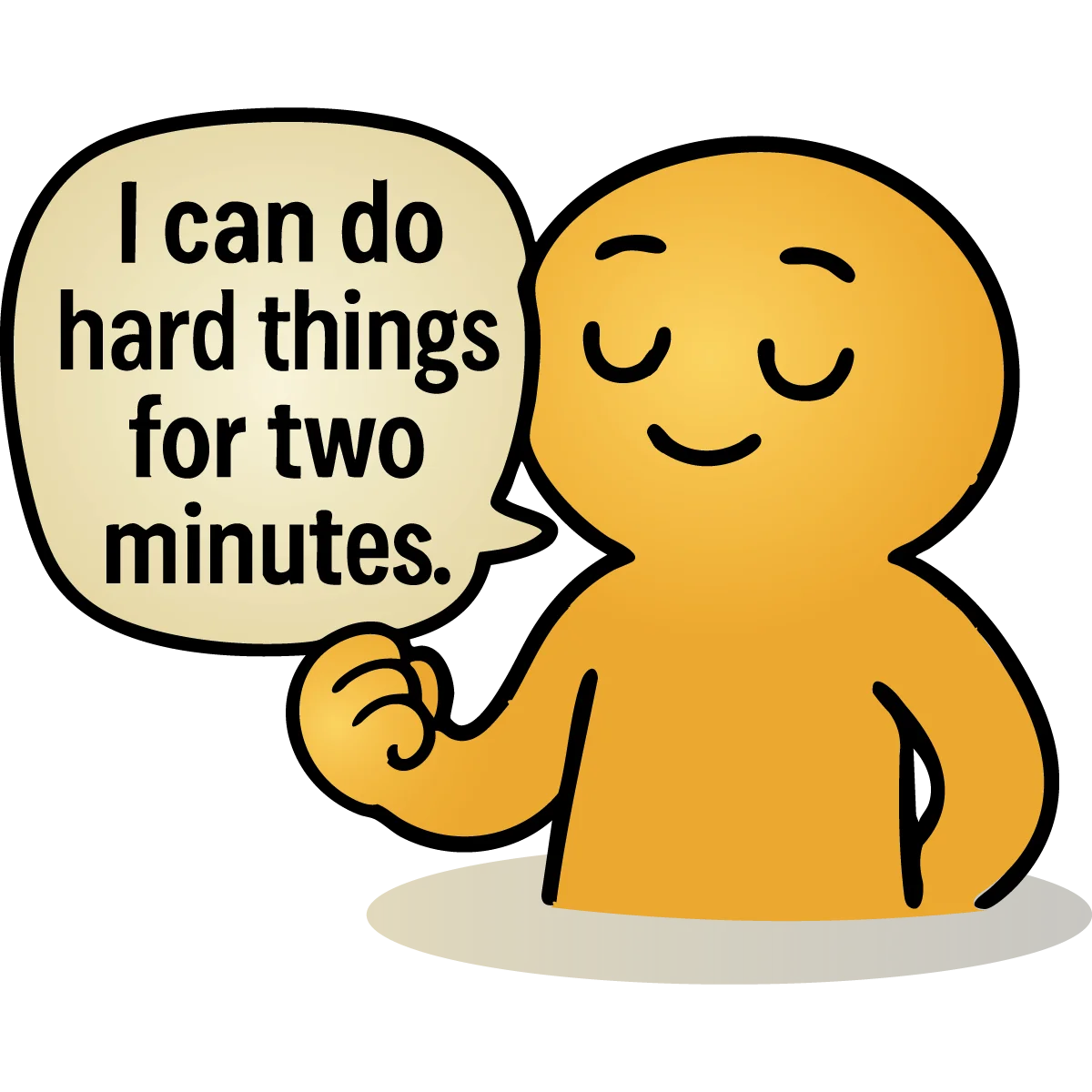
Two-Minute Courage
A simple way to start hard tasks by committing to only one hundred and twenty seconds.
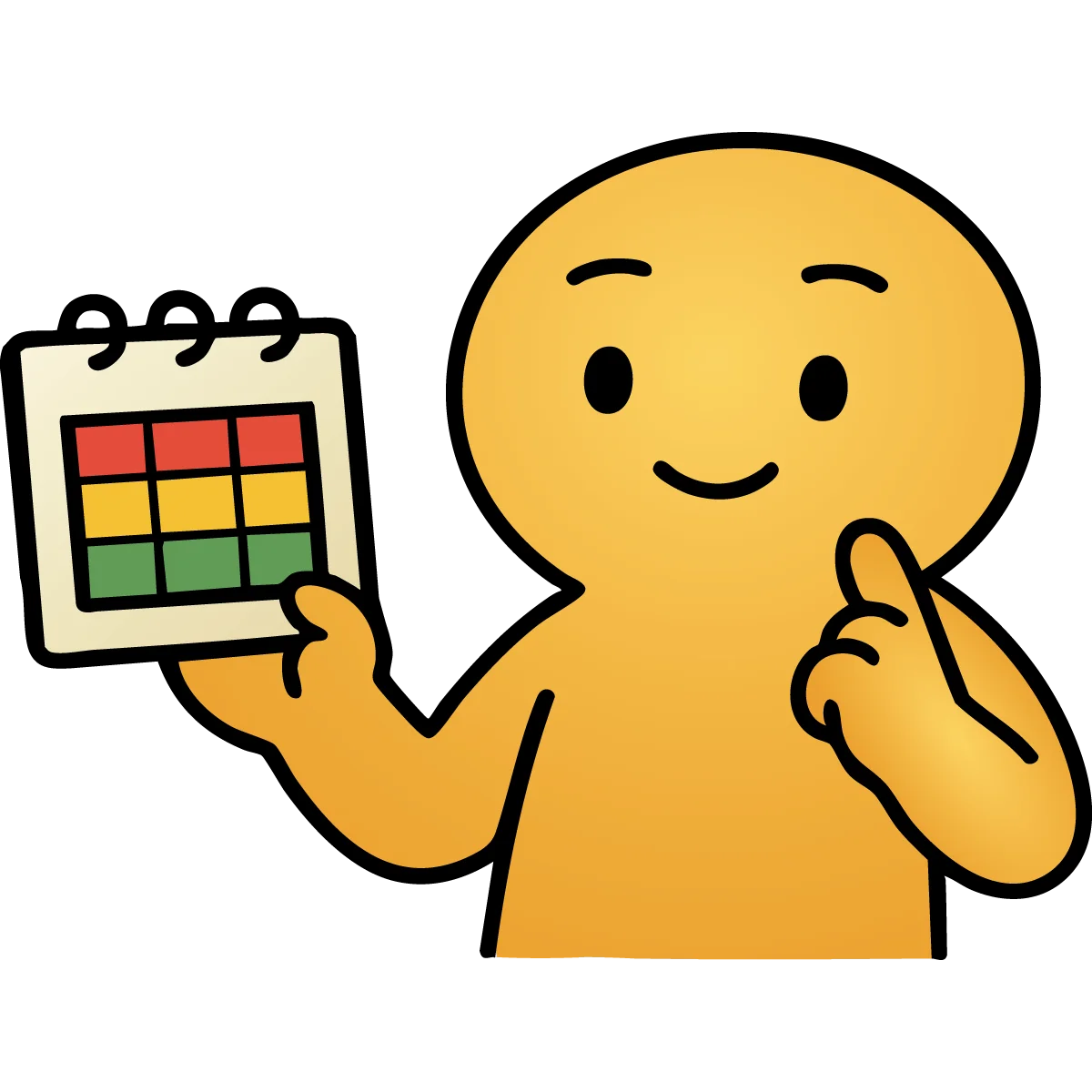
Calendar Timebox
Organize your day by assigning specific blocks of time to tasks on a digital or paper calendar.

Gratitude → Action
Combine a moment of thanks with one small task to move from feeling stuck to being active.

Light Reset
Using timed exposure to bright or dim light to manage your daily energy and mood.

Phone in a Box
A simple way to manage the urge to check your phone using space and calm breathing.

Shake & Reset
A physical technique to help your body let go of stress and find its natural balance.

Theme Hours
Organize your day with themed blocks of time to help your brain focus and feel calm.

Panic Plan 1-2-3
A three-step strategy to help manage sudden waves of panic and regain mental focus.
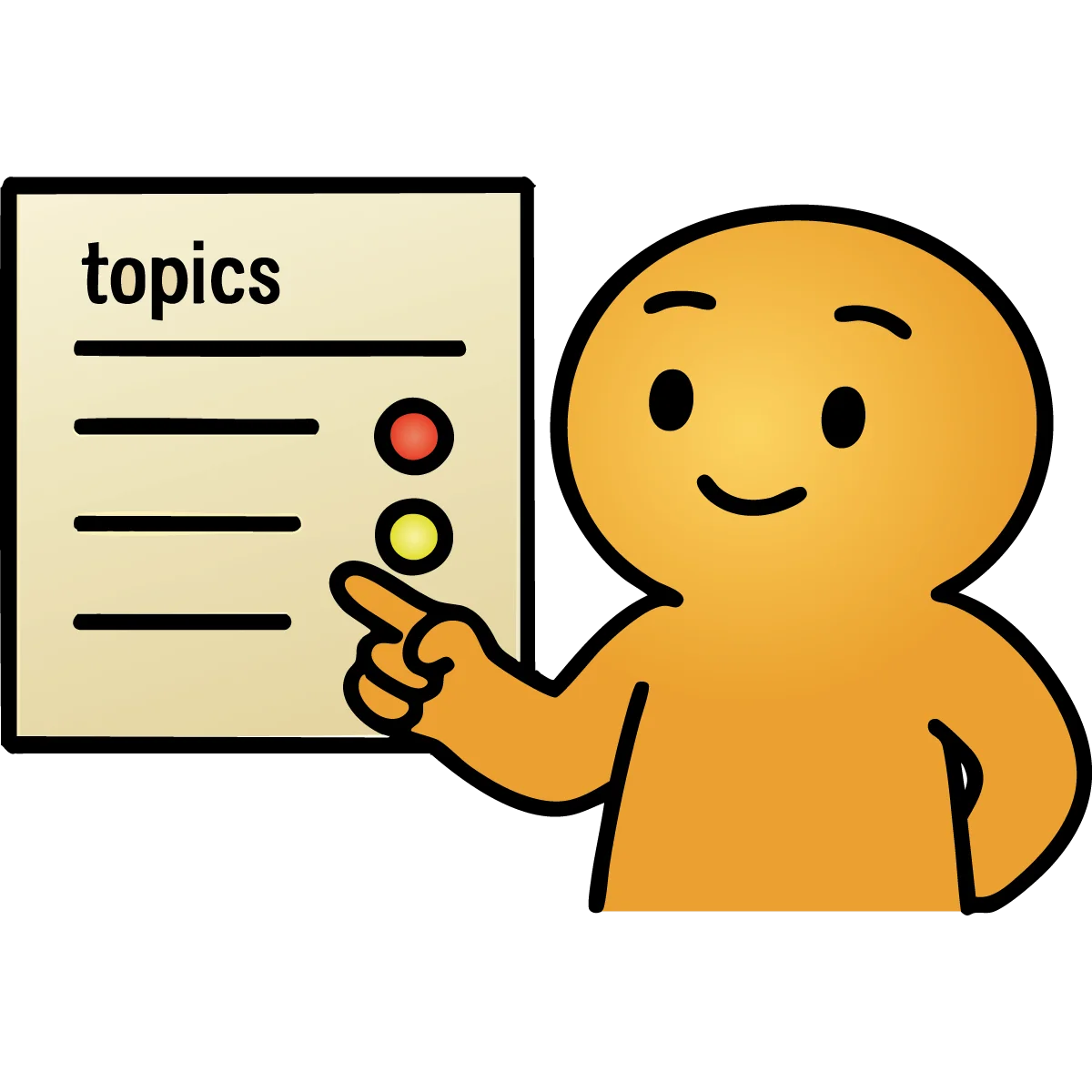
Study Map Wall
Create a visual guide of your school tasks to clear your mind and lower your stress levels.

White Noise Bubble
Create a mental shield using steady sounds to mask distractions and boost your focus.

Pack-Prep Night
A routine for getting your bag ready and charging electronics the night before.

Rumination Exit Ramp
Stop stuck thinking by switching your focus to a simple physical activity right now.

Scent Reset
Reset your mood by using your sense of smell to calm your brain and find your focus quickly.
Avoidance Audit
A simple way to notice things we are putting off and taking one small step to start.
Ready Stack
Setting up your tools before you start work to make starting easier and less stressful.
Text a Thank-You
A simple way to boost your mood by sending a quick appreciation text to someone you care about.
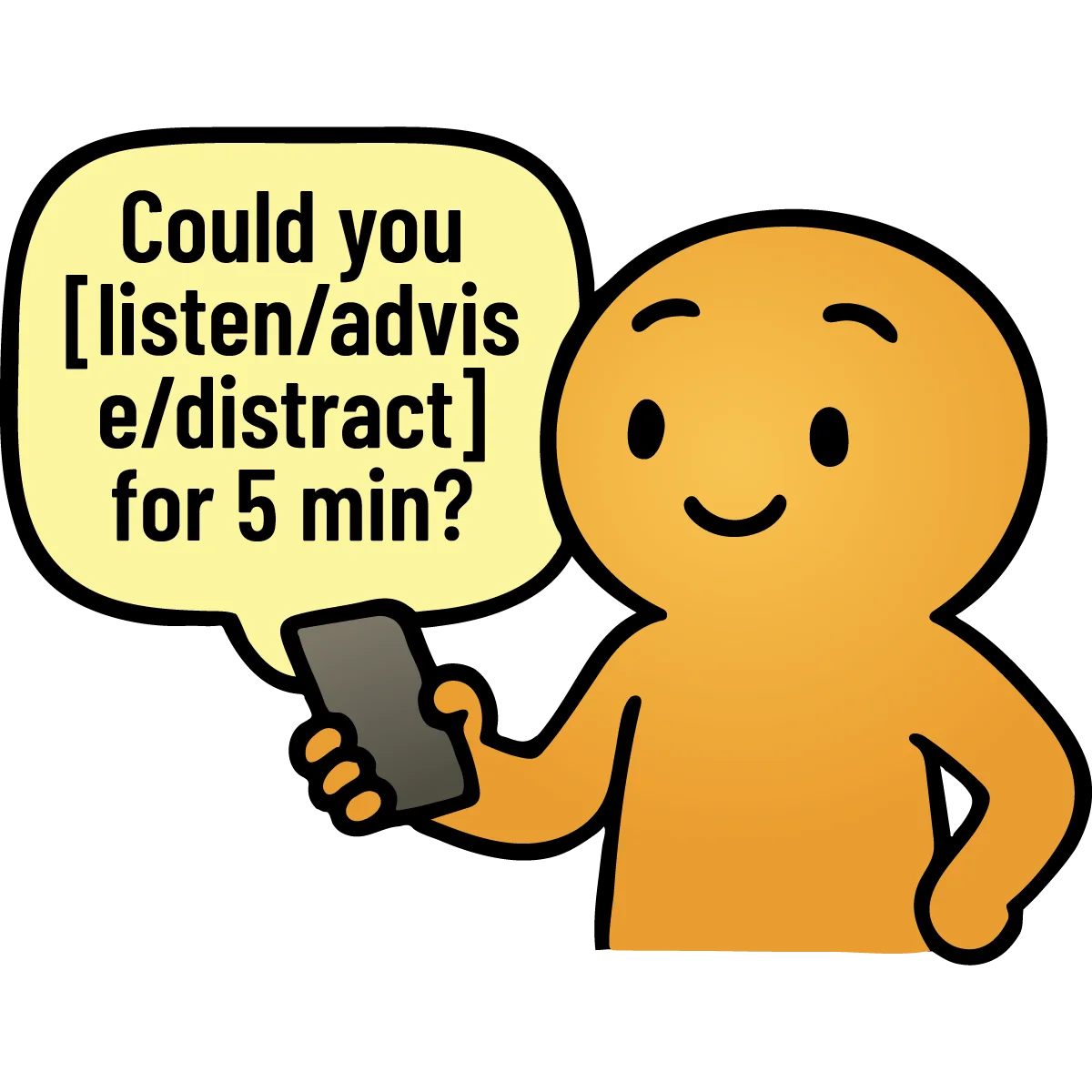
Ask for Support
Reaching out to others by making a clear request can help you manage stress and feel less alone.
Dopamine Drip
Boost your motivation by breaking big tasks into small wins to keep your brain focused.

First 5 Lines (Writing)
A quick writing tool used to get thoughts onto paper and stop the fear of making mistakes.
Environment Assist
Clearing one distraction from your space to help you focus and feel more at ease.

Math Warm-Up
A simple strategy using easy math problems to calm your mind before tackling tough challenges.

Smile + Open Chest
A simple way to help your body feel calm by changing how you sit and smile.

Flashcard Rule of 3
A study method using small card sets and repeated reviews with breaks to improve memory retention.
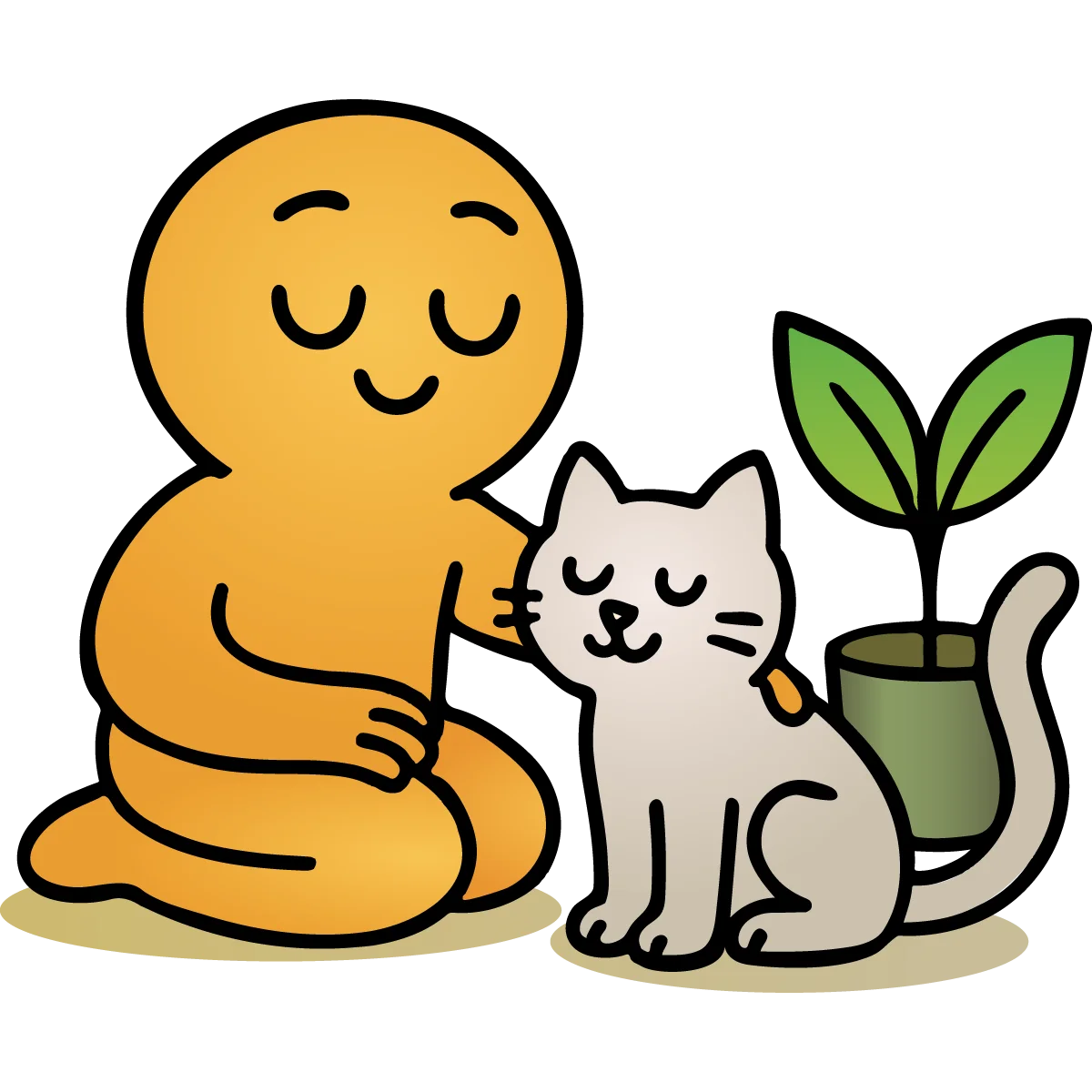
Pet or Plant Minute
Connecting with a pet or a plant for sixty seconds to help your body feel calm.

Social Warm-Up
A way to build social confidence by using small, low-pressure interactions to get comfortable.
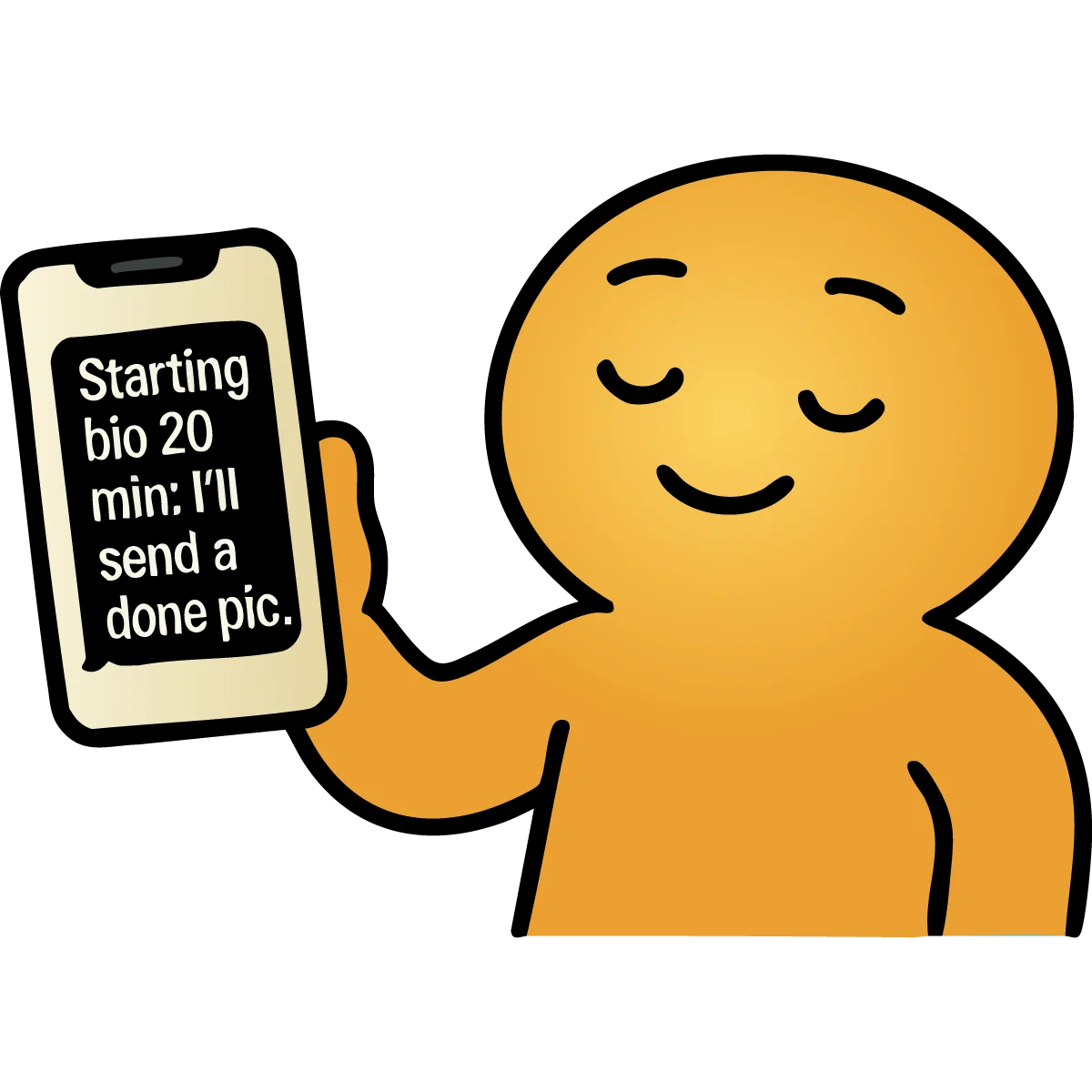
Accountability Text
A simple way to stay on track by sharing your plans and progress with a supportive friend.
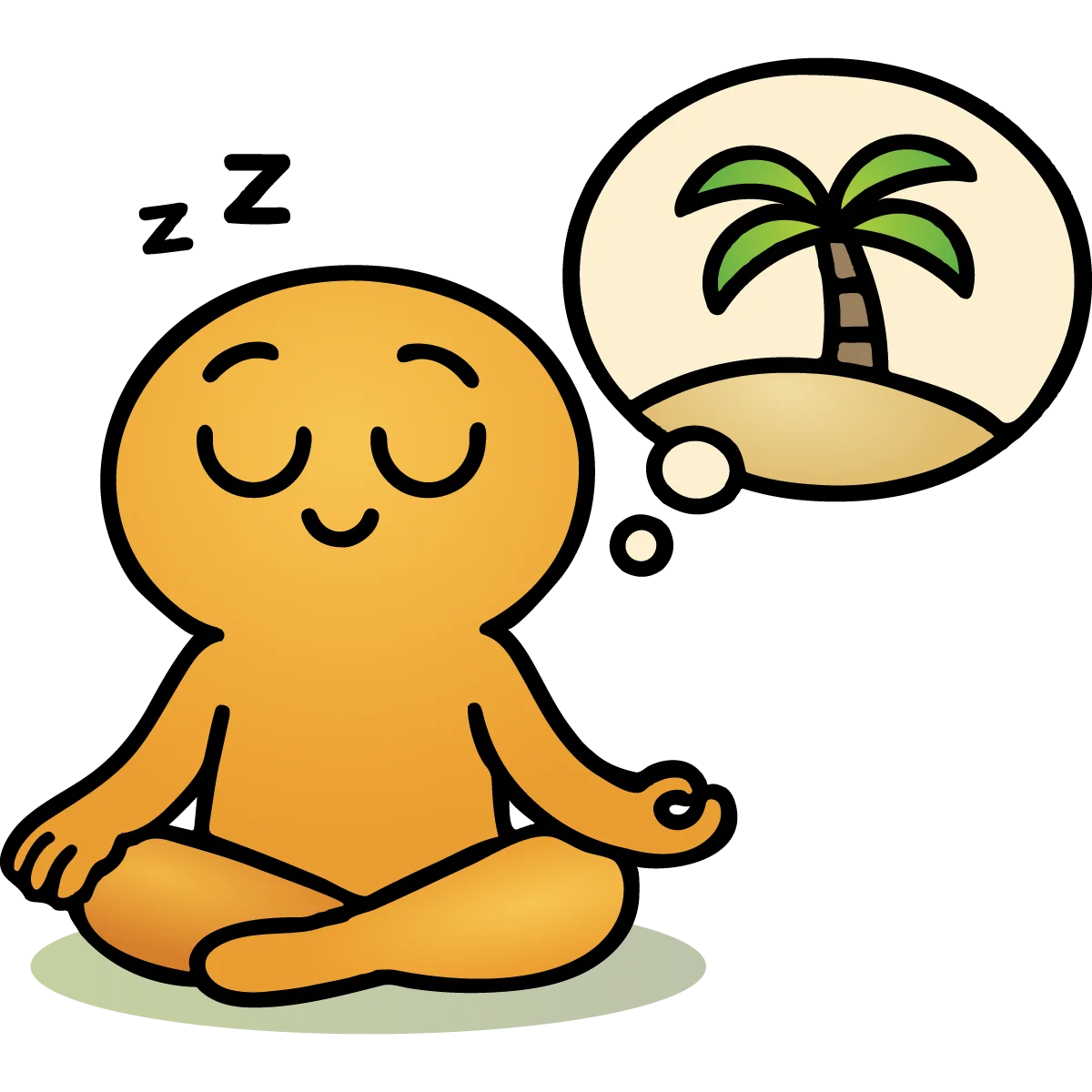
Safe-Place Snapshot
This technique uses visualization and breathing to help you find a calm and steady focus.
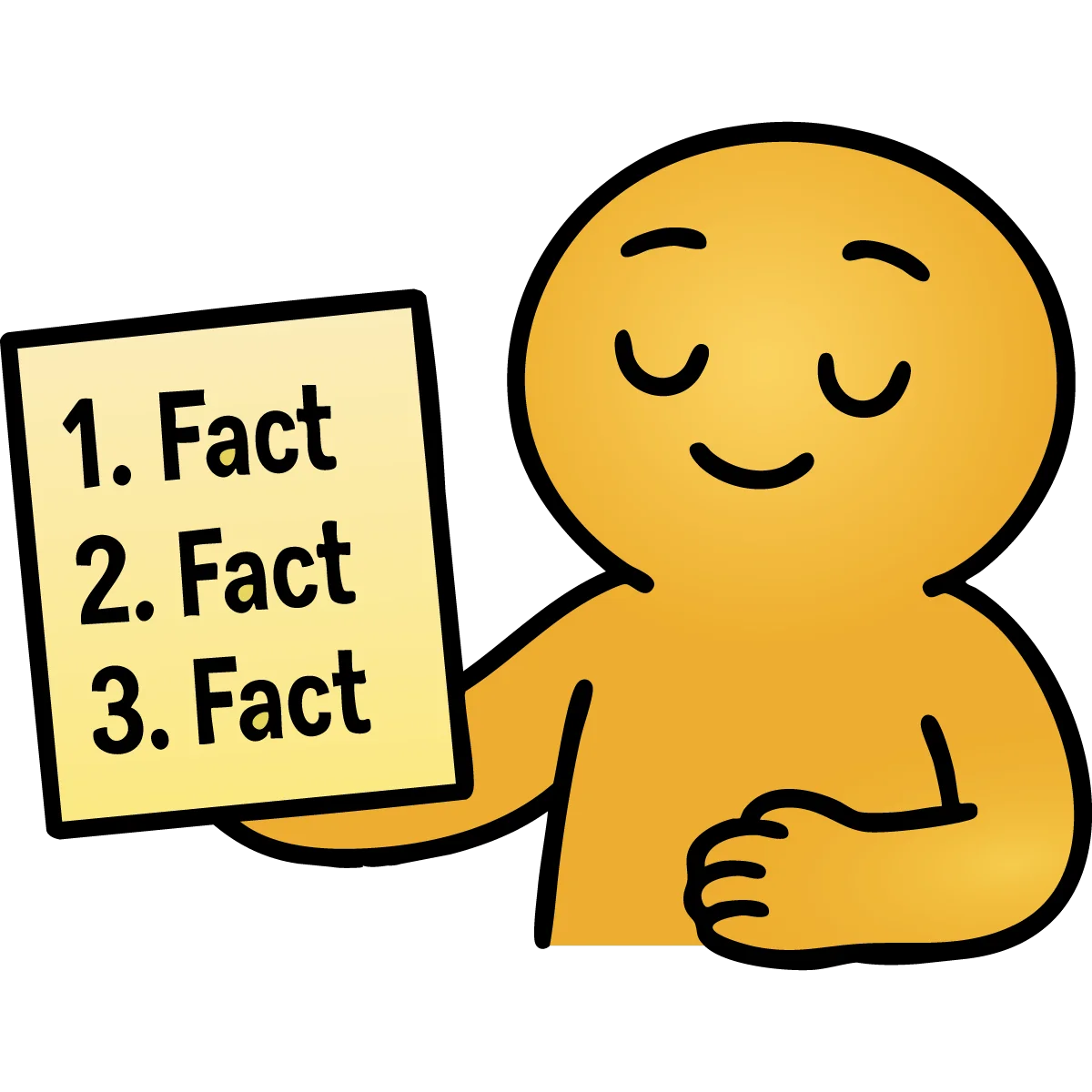
Test Jitters Quickie
Writing and reading three known facts can help lower test anxiety by shifting your focus.
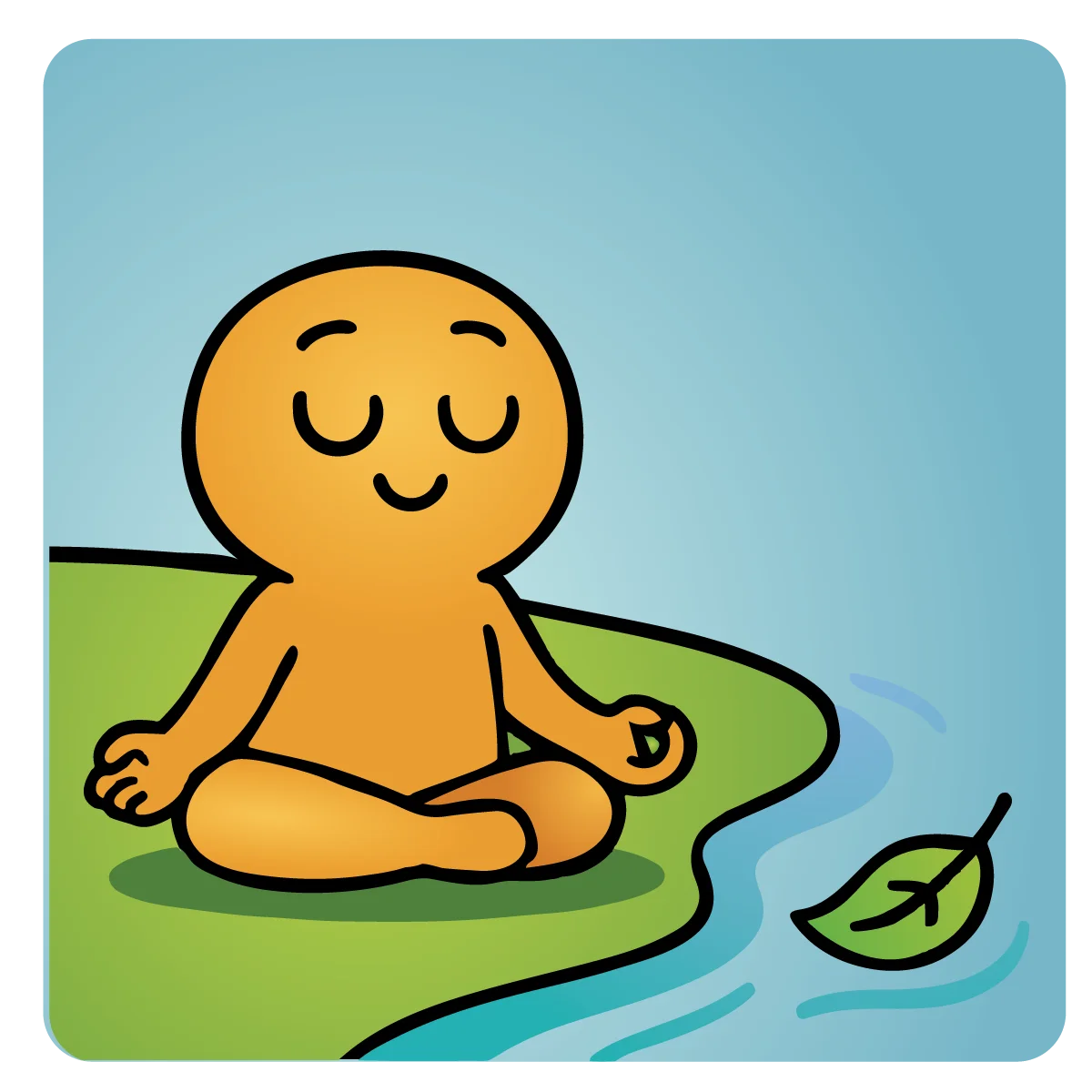
Leaves on a Stream
Visualize your thoughts as leaves floating down a stream to find mental space and calm.

Morning Dread Drill
A four-step morning routine to settle your nerves and build momentum for the day ahead.
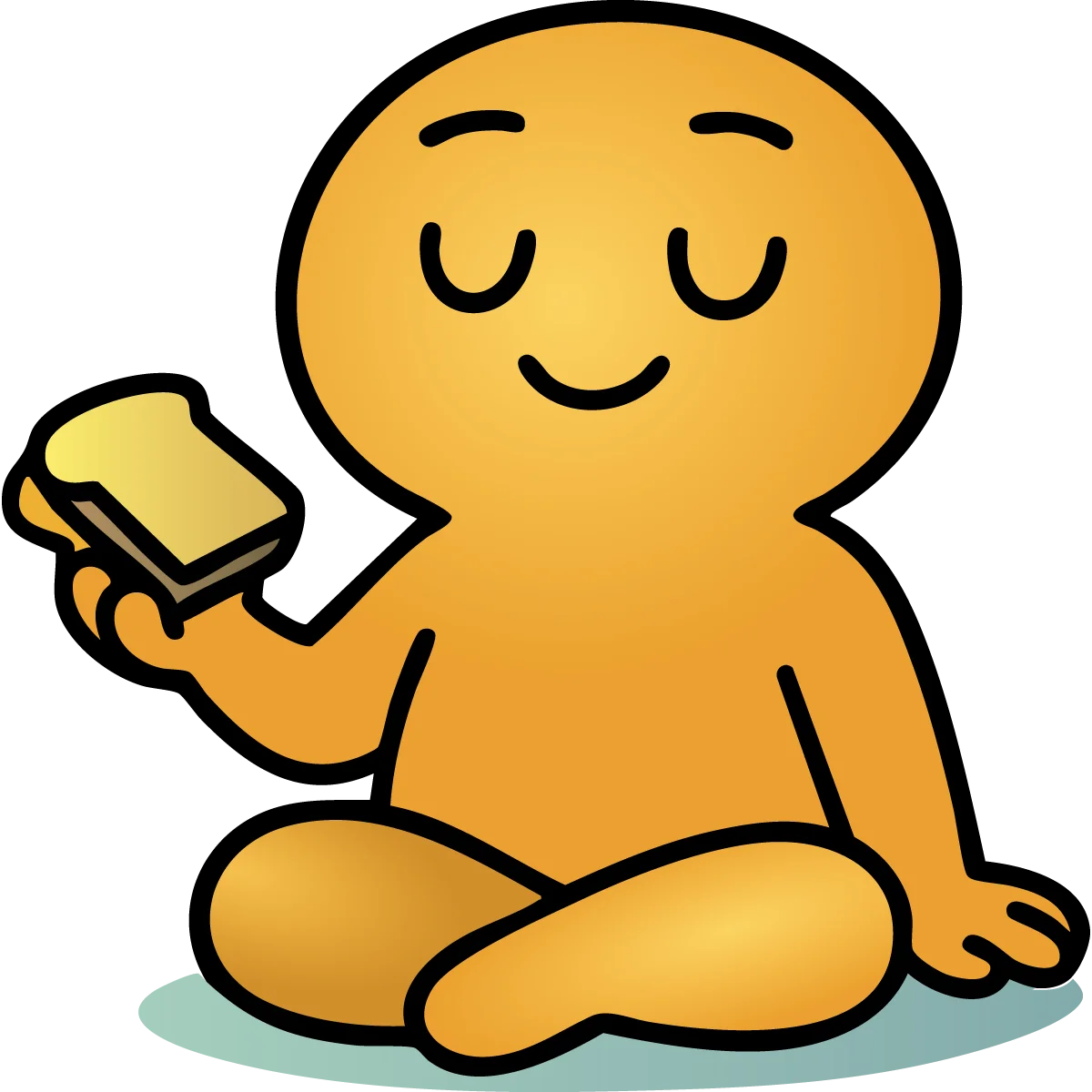
Reward Sandwich
A way to tackle difficult tasks by surrounding work with short bursts of fun activities.
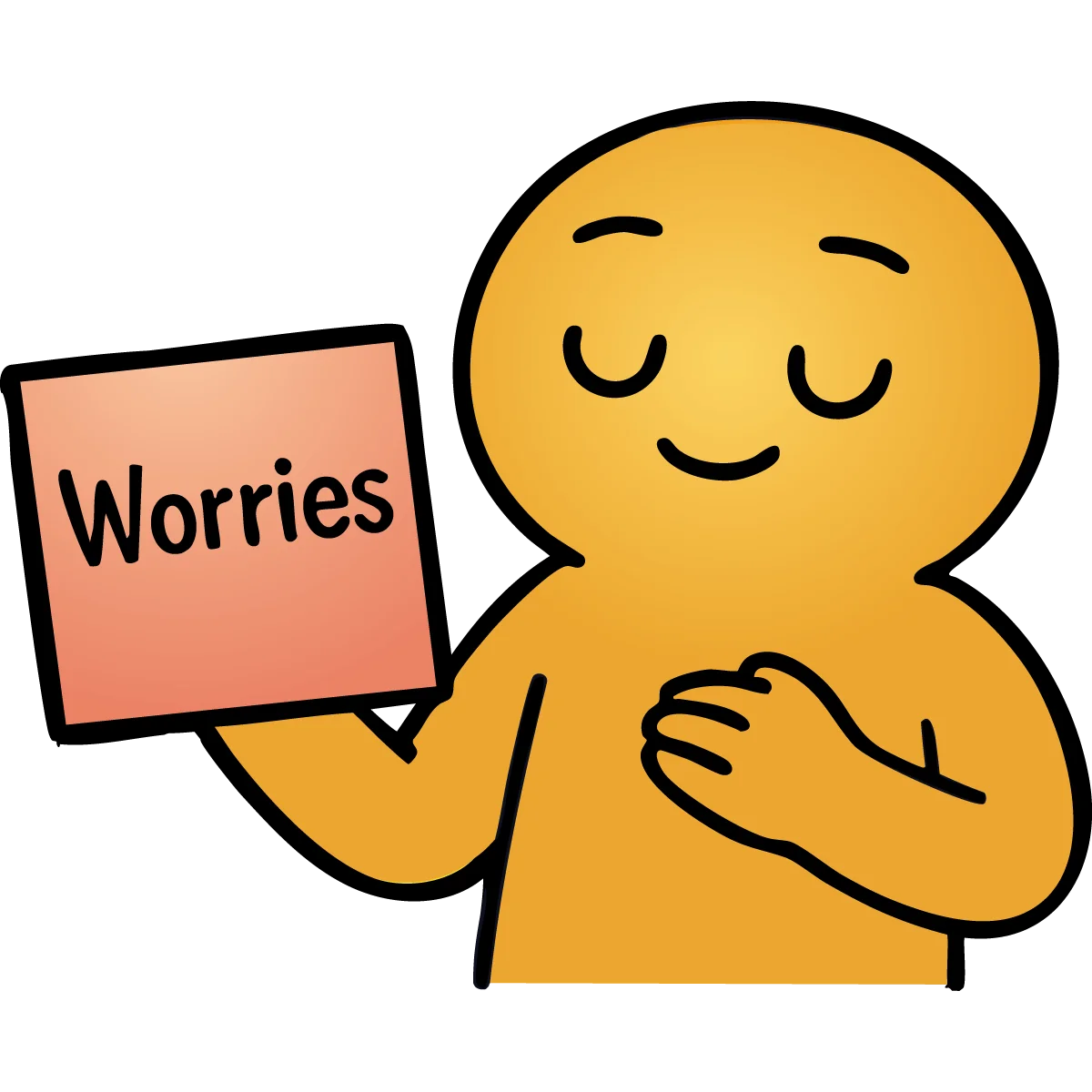
Bedtime Off-Ramp
A routine to park your nighttime worries so your brain can actually rest for the night.

Done > Perfect
A strategy for overcoming overthinking by setting realistic goals and finishing tasks.
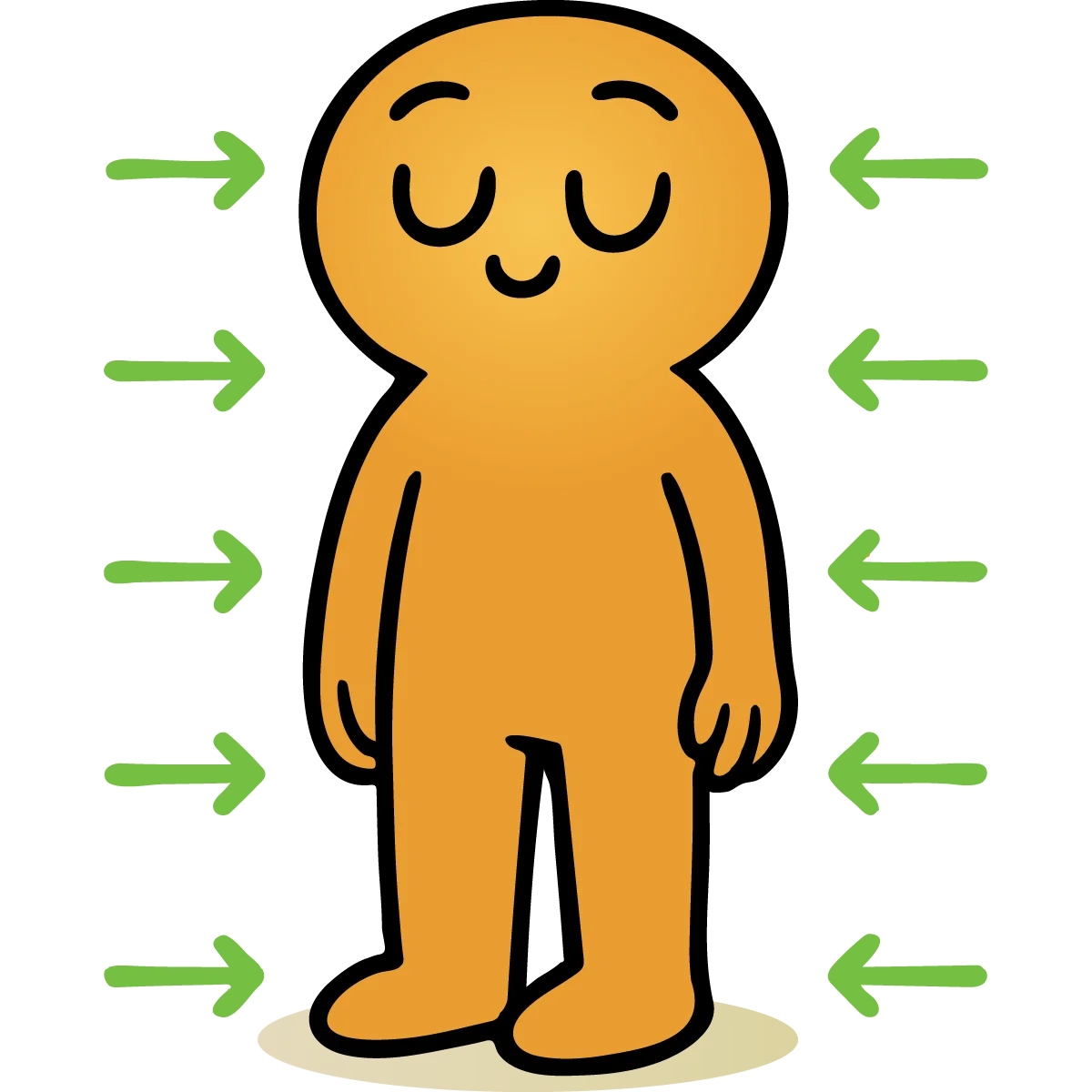
Micro Body Scan
A quick mental check-in that focuses on releasing physical tension from your head to your toes.

Caffeine Check
This strategy involves tracking daily intake and adjusting the amount or timing to improve focus.
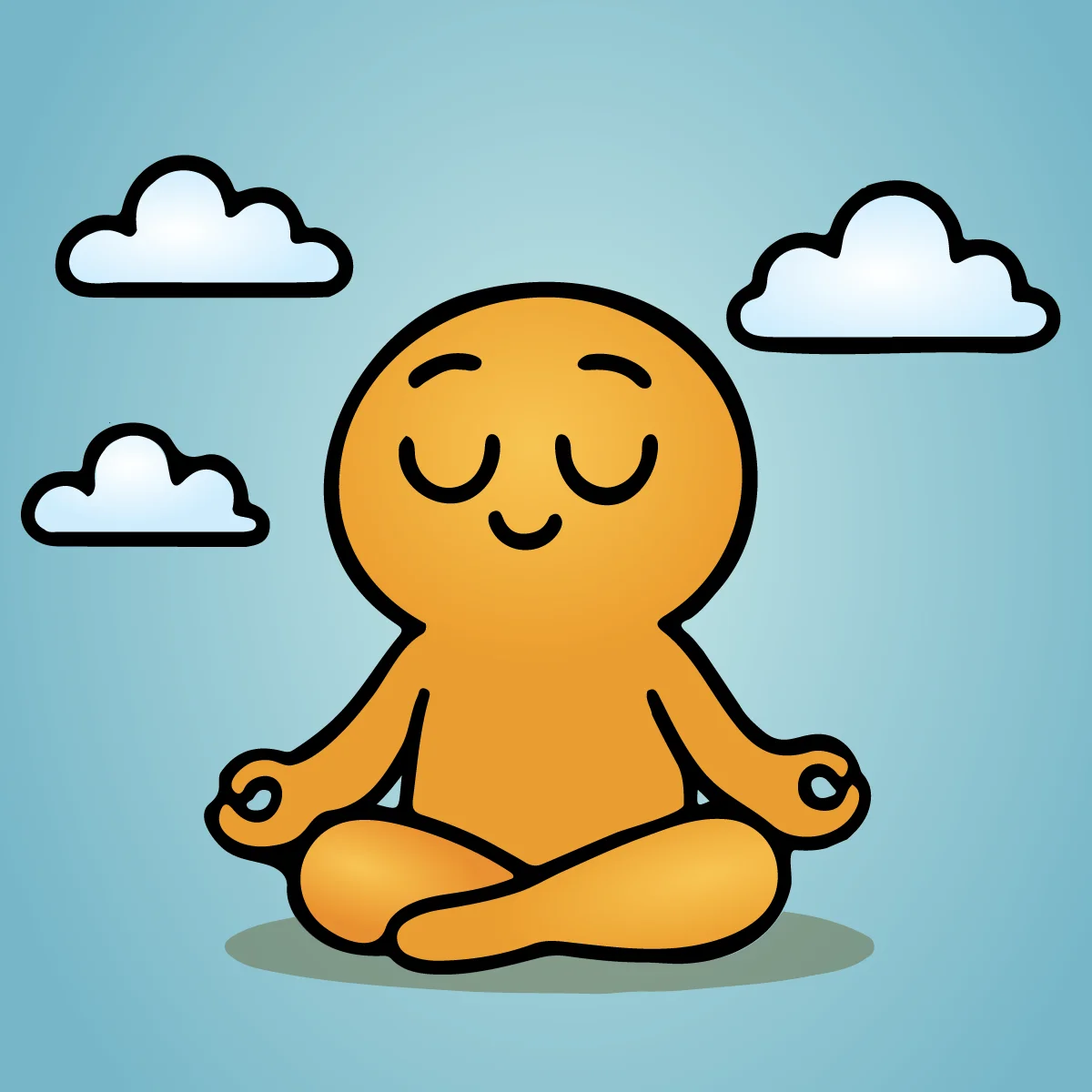
Cloud Watching (Imagery)
A mindfulness technique where you imagine your worries as clouds drifting across the sky.

Self-Talk Reboot
Learn how to swap "I can't" for a focus on your next step to keep moving forward.
End-on-Next-Step
A simple way to plan your next move before finishing a task to make starting easier later.

Note to Future You
Writing a brief, supportive message to yourself to read later to help manage stress.

Screen Swap
Taking a 15-minute break from your phone to help your mind feel calmer and more focused.
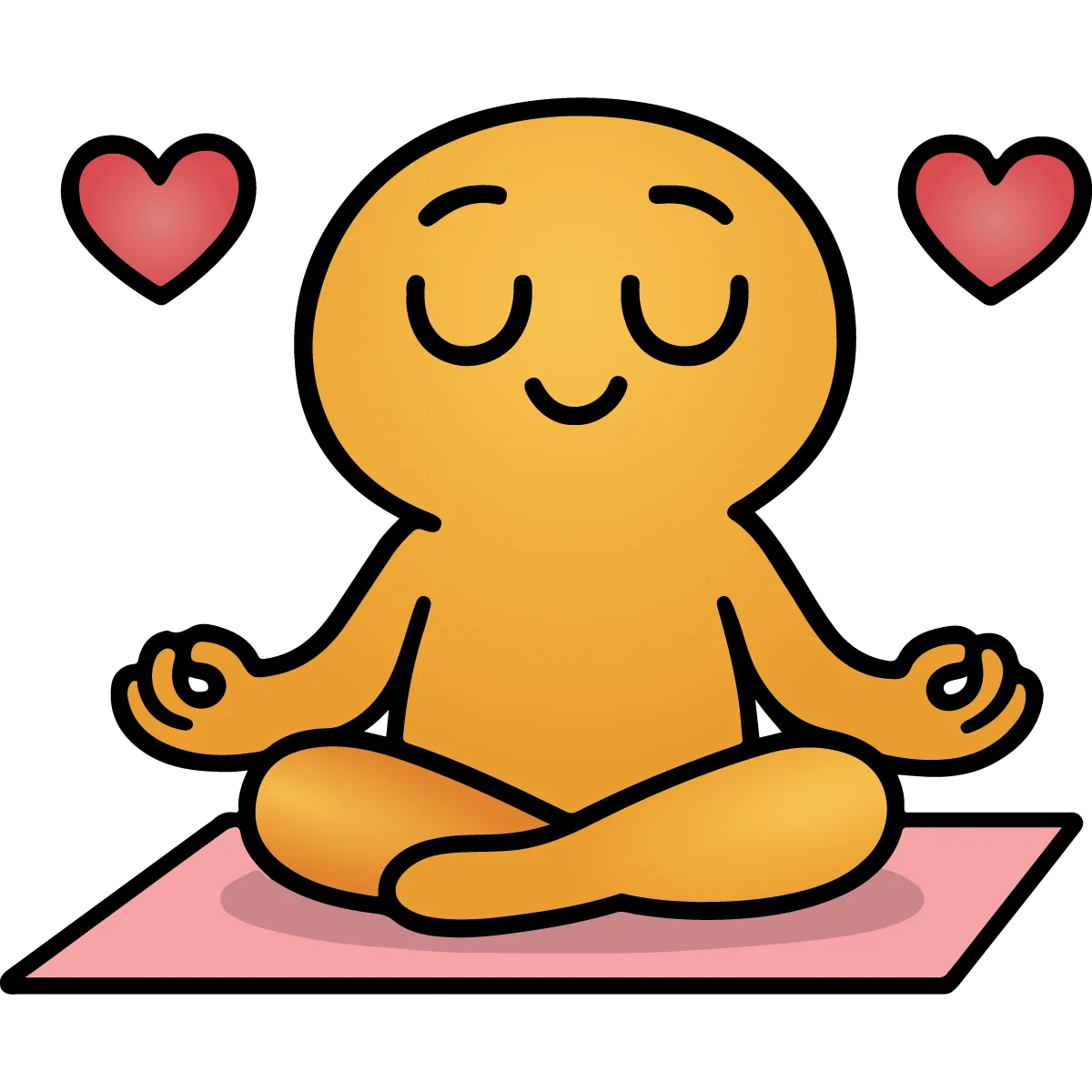
Micro-Metta
A quick four breath practice to help you feel calmer and safer during stressful moments.
Reframe: “This Rush = Fuel”
Use your brain to turn nervous energy into power by changing how you view your body's stress.
Weekly Reset
A weekly ritual to help you organize your schedule and lower stress before the new week begins.
Courage Tracker
A tool for documenting specific moments where you chose to take action despite feeling anxious.
Grade the System, Not You
A method to reduce self-criticism by examining environmental factors instead of personal flaws.
Here & Now Breath
A simple breathing tool that uses short mental words to help you stay in the moment.
Exam Simulation
Practicing tests under real conditions to lower stress and improve your focus and memory.

Hand on Heart
A simple way to steady your breathing and feel calmer by using your touch and your own heartbeat.
What Worked? What’s Next?
A quick way to calm your brain after a hard task by finding a win and planning your next move.
Celebrate & Log Wins
Recording one to three small daily successes to build motivation and improve mood during recovery.
End-of-Day Reset
A 3-breath ritual and a simple phrase to help you switch from go mode to rest mode.
One-Minute Win
A simple way to beat overwhelm by finishing one tiny task in less than sixty seconds.