Cool-Down Reset
Overview
This skill is all about hitting the reset button on your body when you feel overwhelmed. It uses a mix of temperature and breathing to signal your system to slow down. By cooling specific spots like your wrists, you help your body move from a state of high alert back to a feeling of steady calm.
How Your Brain Works
Your brain uses two main parts to manage your feelings and your ability to think clearly.
The Guard Dog
The alarm system. Reacts to stress with fight-or-flight responses.
The Wise Owl
Logic and calm decision-making, best accessed when the alarm quiets down.
The Alarm System
The Guard Dog is your brain's alarm system. When you face stress, it barks loudly to protect you, triggering a fight-or-flight response. This floods your body with energy, making your heart race and your breathing shallow. It is trying to keep you safe, but sometimes it overreacts to school pressure or social stress.
The Body's Brake Pedal
Cooling your wrists or temples activates a special nerve that acts like a brake pedal for your nervous system. This pathway tells the Guard Dog that the emergency is over and it is okay to stop barking. It shifts your body from high alert into a rest-and-digest state, which naturally lowers your heart rate and helps you feel more grounded.
Bringing Back the Owl
As the Guard Dog quiets down, the Wise Owl can regain control. The Wise Owl is the part of your brain responsible for clear thinking and managing your emotions. By using the cool-down reset, you create the space for the Wise Owl to look at the situation logically, helping you make better decisions instead of just reacting to the stress.
How to Use This Skill
Think of this skill as a way to gently tell your inner alarm system to stand down so you can find your centre and think clearly again.
- 1
Cool the Pulse Points
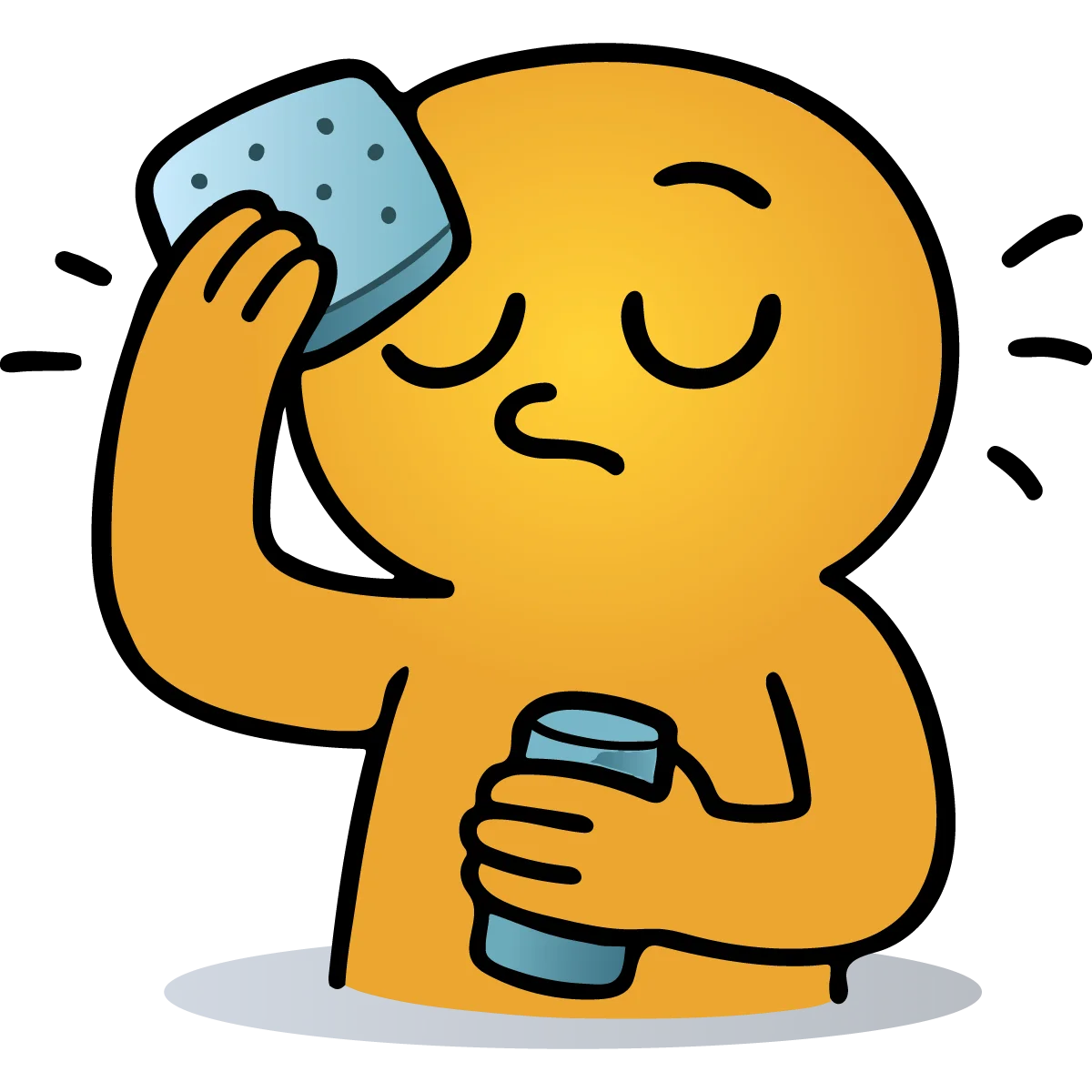
Splash cold water on your wrists or hold a chilled object to your temples to start the cooling process.
Applying cold to your wrists or temples triggers a calming signal through your nervous system. - 2
Hold for Thirty Seconds
Keep the cold contact steady for about half a minute while noticing how the chill feels on your skin.
This duration provides enough time for your body to register the temperature change and begin to relax. - 3
Breathe Slow and Steady
While cooling your skin, try breathing in for four counts and breathing out for six counts.
Long exhales signal to the brain that you are safe, which helps the Wise Owl come back online.
Real-Life Example
Managing a Tough School Moment
The Academic Pressure
You get a test back and the mark is much lower than you hoped. You feel your chest tighten and your face get hot.
The Guard Dog Bark
"I'm going to fail everything and my parents will be so angry with me."
The Reset Steps
- Head to the nearest washroom and turn on the cold water tap.
- Place both wrists under the cool stream.
- Close your eyes and focus on the cold sensation.
- Take a slow breath in for four counts and out for six counts.
- Continue for 30 seconds until you feel your heart rate start to steady.
The Guard Dog stops barking and the Wise Owl realizes that one mark does not define your future, allowing you to make a calm plan.
Practice Tips
Using these tips can help you get the most out of your cool-down sessions.
- Focus on the Exhale
Make your breath out longer than your breath in to help your body relax faster.
- Create a Calm Space
Try doing this in a quiet spot or use a fidget toy to help you stay grounded.
- Track Your Progress
Keep a note in a journal of how you feel before and after to build a regular habit.
Pro Tip
Why It Works
This technique is a fast and simple way to move from feeling wired to feeling calm by using your body's natural wiring.
This skill helps because:
- Taps into the Calming System
The cold temperature acts like a signal that tells your heart and lungs to slow down naturally.
- Breaks the Cycle
It interrupts racing thoughts by giving your brain a strong physical sensation to focus on instead.
- Builds Control
Regular practice strengthens the connection between your thinking brain and your emotional reactions.
References
Research-based evidence supporting this skill
- Research shows that temperature and paced breathing can effectively lower physical arousal and support emotional regulation in youth.
- Closler. (n.d.). Reset, refocus, relieve.
- Grand Rising Behavioral Health. (n.d.). Regulate, Reset, Refresh: Top Emotional Regulation Techniques.
- Katz, D. (2019). Enhancing Stress Management Coping Skills Using Induced Affect. PubMed Central.
- Liberty University. (n.d.). The impact of cold-water immersion on mental health: a qualitative study.
- Mayo Clinic. (n.d.). Relaxation techniques: Try these steps to lower stress.
- McGill University. (n.d.). Resetting the Hype Around the Vagus Nerve.
- Mendi. (n.d.). 12 Best Techniques for a Quick Mental Reset.
- PositivePsychology. (n.d.). 4 Best Self-Soothing Techniques & Strategies for Adults.
- TalkToAngel. (n.d.). The Science of Calming Down Quickly in Stressful Situations.
- The CTR Family Guidance. (n.d.). The Mental Reset: Small Habits That Make a Big Difference.