Hydrate + Stretch
Overview
Hydrate + Stretch is a quick technique that combines drinking a bit of water with light physical movement. It helps your body and mind work together to lower stress and improve how you feel. By giving your brain the fluids it needs and releasing muscle tension, you can feel more alert and steady throughout the day.
How Your Brain Works
Your brain uses two main parts to manage your feelings and your ability to think clearly.
The Guard Dog
The alarm system. Reacts to stress with fight-or-flight responses.
The Wise Owl
Logic and calm decision-making, best accessed when the alarm quiets down.
The Alarm System
Your brain has a part called the Guard Dog (Amygdala). It is always looking for trouble. When you are thirsty or your muscles are tight, the Guard Dog starts barking. This makes you feel stressed or foggy. It triggers a reaction that makes you want to run away or hide, which makes it hard to learn.
The Shift
Drinking water and stretching helps quiet the Guard Dog. It tells your body that you are safe and taken care of. This lowers stress hormones and helps your blood flow better. When you hydrate, your brain does not have to work as hard to keep things running, which saves energy for thinking.
The Wise Owl Takes Over
Once the Guard Dog is calm, the Wise Owl (Prefrontal Cortex) can wake up. This is the part of your brain that helps you focus, make good choices, and stay calm. With the Owl in charge, you feel more like yourself. You can think clearly and handle your emotions with more ease.
How to Use This Skill
Think of this like a quick recharge for your internal battery when the Guard Dog starts getting restless.
- 1
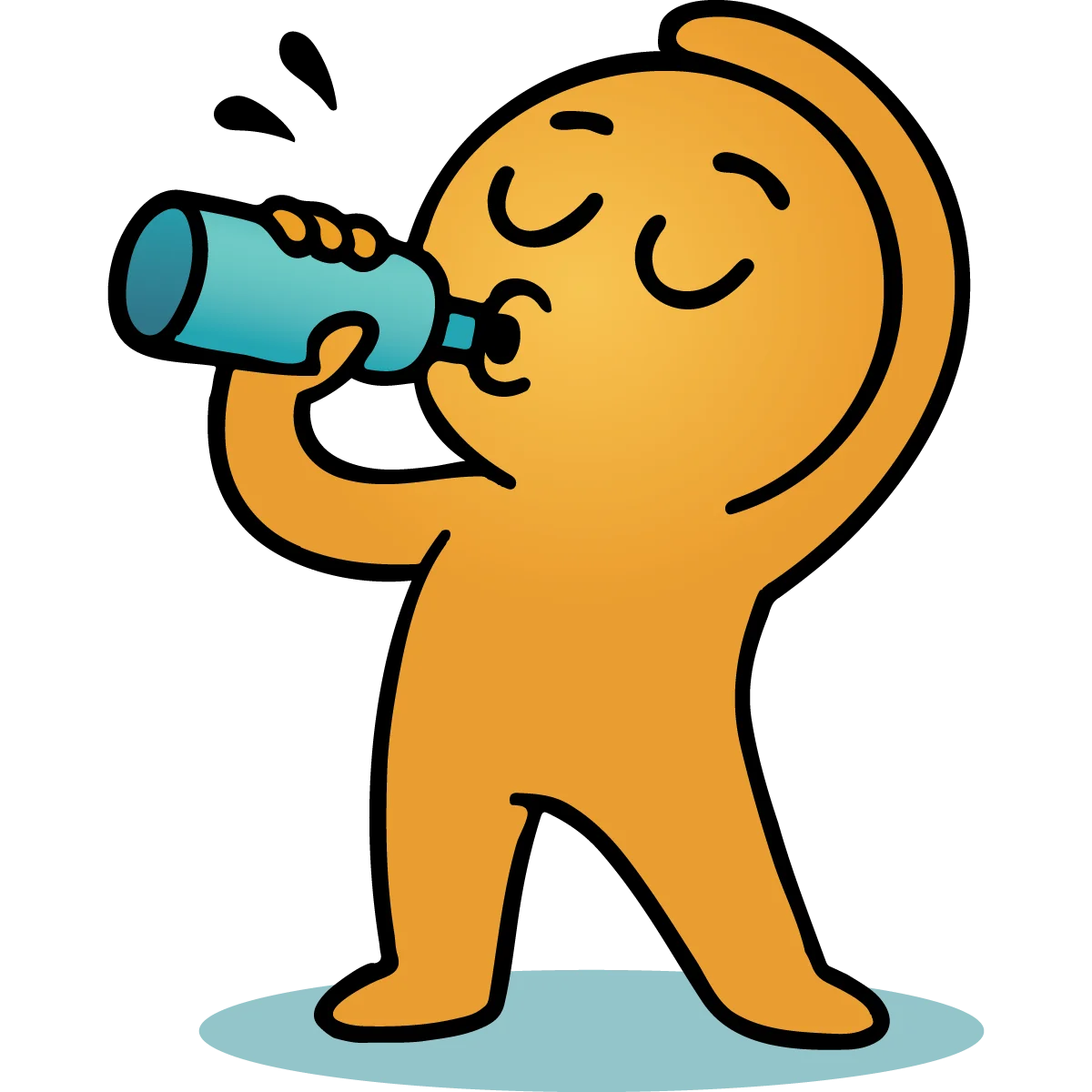
Take 6 to 8 sips of water
Slowly drink about half a cup of water to help your mind feel clear and steady.
Even a little bit of thirst can make you feel grumpy or tired because it changes how your brain processes information. - 2
Do a gentle side stretch
Reach one arm over your head and lean to the side for 20 seconds, then switch sides to release tension.
Stretching releases feel-good chemicals in your brain that help you feel less tense and more relaxed.
Real-Life Example
The Quiz Crunch
The Foggy Feeling
You are sitting in class and a surprise quiz is announced. You feel tired and your heart starts to race.
The Guard Dog Bark
I am too tired for this. I am going to mess up and everyone will think I am not smart.
The Reset Steps
- Reach for your water bottle and take 6 to 8 slow sips.
- Notice the cool water helping you feel more present.
- Stand up or sit tall and reach one arm over your head for a gentle side stretch.
- Hold for 20 seconds, then repeat on the other side.
- Take one deep breath and look at the quiz again.
The water clears the brain fog and the stretch quiets the Guard Dog, letting the Wise Owl focus on the questions.
Practice Tips
Here are a few ways to make this habit work even better for you.
- Add deep breaths
Try breathing in slowly while you stretch to help your body feel even more relaxed.
- Watch the clock
Try this about 45 minutes into a big study session to keep your brain feeling sharp.
- Carry a bottle
Keeping a reusable water bottle with you makes it easier to stay hydrated all day long.
Pro Tip
Why It Works
This simple routine helps your body and brain stay in balance so you can handle stress more easily.
This skill helps because:
- Energy boost
Drinking water helps your brain stay active and alert without needing extra sugar or caffeine.
- Muscle relief
Stretching helps let go of the physical tension that builds up when you are feeling stressed.
- Emotional balance
It helps your brain release natural chemicals that make you feel happier and calmer.
References
Research-based evidence supporting this skill
- Research shows that staying hydrated and moving your body can lower stress hormones and improve how well you think and learn.
- Scientific evidence-based effects of hydrotherapy on various systems of the body. (2014). PMC.
- Harnessing the four elements for mental health. (2019). PMC.
- Rest and digest with a stretch therapist. (2020). FLXME.
- The simple act of stretching. (2021). Center for Healthy Aging.
- The science of the mind-body connection: How exercise boosts mental health naturally. (2023). Live Fit Gym.