Micro-Inbox Sweep
Overview
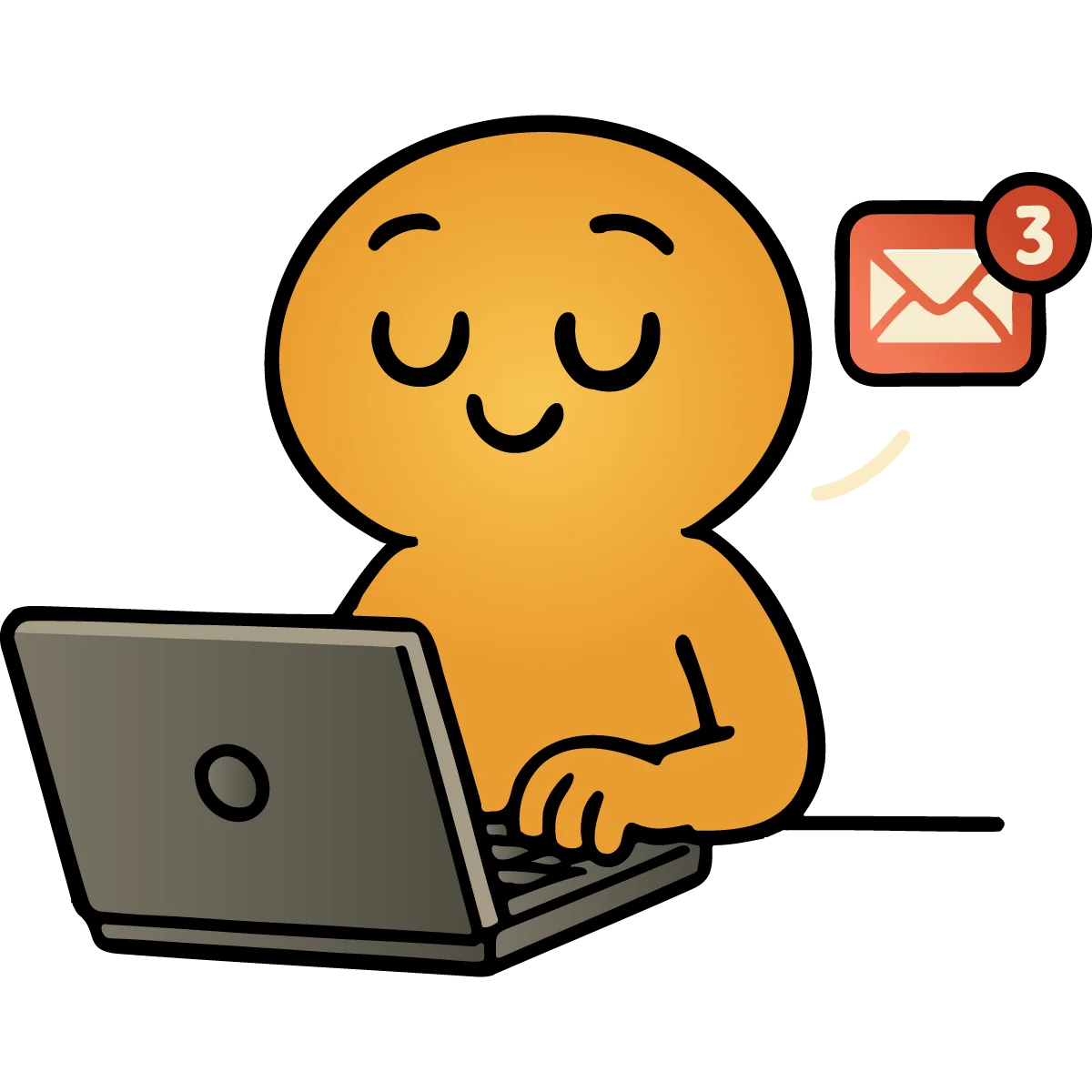
The Micro-Inbox Sweep is a simple habit designed to help you handle digital clutter without feeling drained. Instead of staring at a massive list of unread messages, you choose just three specific items to deal with and then stop immediately. It is based on the idea that tiny, manageable actions can help you feel more in control of your digital life. This approach makes it easier to start and stay consistent with keeping your inbox tidy.
How Your Brain Works
Your brain uses two main parts to manage your feelings and your ability to think clearly.
The Guard Dog
The alarm system. Reacts to stress with fight-or-flight responses.
The Wise Owl
Logic and calm decision-making, best accessed when the alarm quiets down.
The Alarm System
When you see a huge list of unread emails, your Guard Dog (Amygdala) might start barking. This part of your brain is looking for threats, and a messy inbox can feel like a big one. It releases stress chemicals like cortisol that make your heart beat faster and can make you want to avoid the task entirely. The Guard Dog is just trying to protect you, but it often overreacts to digital clutter as if it were a physical danger.
The Shift to the Wise Leader
The Wise Owl (Prefrontal Cortex) is the part of your brain that handles planning and making choices. When you decide to only look at three emails, you give the Wise Owl a job it can actually handle. This helps quiet the Guard Dog because the task no longer feels like an overwhelming mountain. By focusing on a tiny, fixed goal, you allow your brain to switch from a state of panic to a state of calm planning.
The Reward Loop
- Quick Wins: Every time you delete or archive one of those three emails, your brain gets a tiny hit of feel-good chemicals like dopamine. This acts as a reward for your effort.
- Building Momentum: These small rewards tell the Wise Owl that you are making progress, which makes you feel more confident and less anxious about your to-do list.
- Staying in Control: By stopping at exactly three, you prevent the Wise Owl from getting tired and keep the Guard Dog from getting grumpy again. This limit is the key to making the habit feel safe and easy to repeat tomorrow.
How to Use This Skill
Imagine you are giving your Wise Owl a tiny, easy puzzle to solve so the Guard Dog stops worrying about the mess in the house.
- 1
Pick Your Three
Open your email and find three items you can handle quickly, like a newsletter, a notification, or an old advertisement.
Limiting your focus to only three items keeps your brain from feeling overwhelmed and stuck in a state of worry. - 2
Take Action
Delete the junk, archive the old stuff, or send a quick reply. Each action is a small win for your focus.
Making a choice to delete or respond helps your brain feel a sense of achievement and signals safety to your body. - 3
The Hard Stop
Close the app or browser tab immediately after the third item is done, even if you feel like you could do more.
Stopping after three prevents your brain from getting exhausted and helps build a lasting habit through regular repetition.
Real-Life Example
Alex Tackles the Inbox
The Digital Mountain
Alex gets home from school and sees 50 unread messages in their inbox, making them feel stressed and rushed.
The Guard Dog Bark
"I am never going to get through all of this, it is just too much to handle right now."
The Breakdown
- Alex decides to try a Micro-Inbox Sweep instead of ignoring the emails.
- They pick two spam emails to delete and one teacher's update to archive for later.
- After finishing those three things, Alex closes the laptop as planned.
- Alex notices their heart rate slowing down as the task is finished.
Alex feels the Wise Owl take charge, the Guard Dog stops barking, and they feel much more ready to start their homework with a clear mind.
Practice Tips
- Here are some ways to make this digital habit stick and help your brain feel more at ease
- Set a Reminder
Use a phone notification once or twice a day to remind you to do a quick sweep when you have a spare minute.
- Keep a Streak
Mark it down on a calendar or in an app every time you finish a sweep to see your progress build up over time.
- Choose Calm Times
Try doing your sweep after a meal or during a break when you already feel a bit more relaxed and settled.
Pro Tip
Why It Works
This skill is a great way to build confidence and reduce digital stress without taking up too much of your time or energy.
This skill helps because:
- Lowers Stress
It helps your brain's calming system take over when digital spaces feel messy or out of hand.
- Builds Confidence
Finishing small tasks makes you feel more capable of handling bigger responsibilities later in the day.
- Prevents Burnout
By setting a strict limit, you do not use up all your mental energy at once, keeping you fresh for other tasks.
References
Research-based evidence supporting this skill
- This technique is based on research into digital micro-interventions, which are small actions that can improve mental well-being and help build healthy habits in real-time.
- Lau, M. E., et al. (2020). Digital micro interventions for behavioral and mental health gains. Journal of Medical Internet Research.
- Myin-Germeys, I., et al. (2018). Experience sampling methodology in mental health research. World Psychiatry.
- Proudfoot, J., et al. (2013). Effectiveness of a web-based cognitive-behavioral tool to improve well-being. Journal of Medical Internet Research.
- Torous, J., et al. (2023). Evaluating conversational agents for mental health - Scoping review. Journal of Medical Internet Research.
- Sinsky, C. A., et al. (2019). Practicing clinicians' recommendations to reduce burden from the electronic health record. JAMA Internal Medicine.