Neck Release Trio
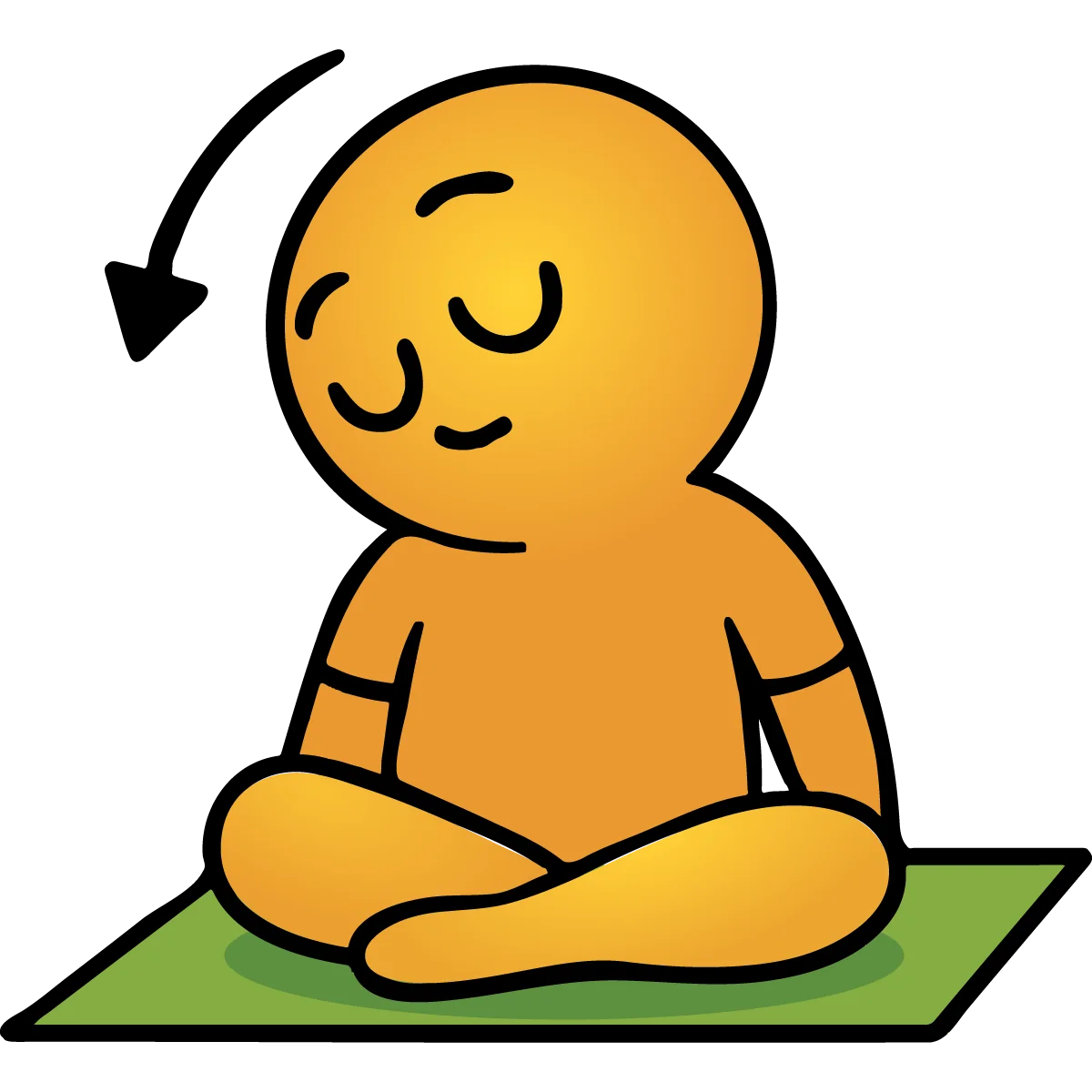
Overview
The Neck Release Trio is a quick way to help your body let go of physical stress. When we feel overwhelmed, our muscles often tighten up without us even noticing, especially around our shoulders and neck. By moving through three specific positions, you can send a clear signal to your brain that it is safe to relax.
This tool is easy to use whether you are sitting at a desk or preparing for a big presentation. It focuses on releasing the physical knots that hold onto stress, helping you feel more comfortable and centred in just half a minute.
How Your Brain Works
Your brain uses two main parts to manage your feelings and your ability to think clearly.
The Guard Dog
The alarm system. Reacts to stress with fight-or-flight responses.
The Wise Owl
Logic and calm decision-making, best accessed when the alarm quiets down.
The Alarm System
- When you feel stressed, your Guard Dog (amygdala) starts barking to protect you.
- This triggers a physical reaction where your neck and shoulder muscles tighten up. It is your body's way of getting ready for a fight, even if the 'threat' is just a math test.
- This tension creates a loop: the tighter your muscles feel, the more the Guard Dog thinks there is a real danger nearby.
Communicating with the Wise Owl
- Holding these stretches for 10 seconds sends a message from your muscles back to your brain.
- This physical feedback helps your Wise Owl (prefrontal cortex) realize that you are actually safe and in control.
- By moving on purpose, you show the Wise Owl that you are choosing to be calm, which helps it step in and manage the Guard Dog's alarm.
Using the Body's Brake Pedal
- Moving your neck gently activates your body's natural brake pedal.
- There are special sensors in your muscles that detect when you are stretching safely. When these sensors relax, they stop sending 'danger signals' to the Guard Dog.
- This process also supports a large nerve in your neck that helps slow down your heart rate and allows your body to enter a 'rest and digest' state.
How to Use This Skill
Think of this skill as a way to hit the reset button on your body's stress levels by using these three simple steps.
- 1
Tilt ear to right shoulder (10 seconds)
Gently lean your right ear toward your shoulder for ten seconds. You should feel a light pull, but it should not be painful.
This stretch targets the muscles on the side of your neck that usually get tight when you are worried or busy. - 2
Tilt ear to left shoulder (10 seconds)
Switch sides and lean your left ear toward your left shoulder while breathing slowly for ten more seconds.
Doing the same move on the other side keeps your body balanced and ensures all your neck muscles get a chance to let go. - 3
Nod chin to chest (10 seconds)
Lower your chin toward your chest and feel the gentle stretch along the back of your neck for the final ten seconds.
This move stretches the back of your neck and sends a calming signal through a large nerve that helps your whole body relax.
Real-Life Example
Studying Under Pressure
The Exam Crunch
Sarah has been studying for two hours and feels her shoulders creeping up toward her ears while her head starts to throb.
The Guard Dog's Worry
I have so much to do and I am going to fail. I can feel the pressure building in my head and I cannot focus.
- Sarah notices her neck is stiff and recognizes it as a stress signal.
- She pauses her work and tilts her right ear to her shoulder for 10 seconds.
- She repeats the tilt on the left side, focusing on her breathing.
- She tucks her chin to her chest for a final 10 seconds, feeling the back of her neck open up.
Sarah's Wise Owl takes charge, helping her Guard Dog calm down. She feels less tight, her headache starts to fade, and she can return to her notes.
Practice Tips
- Try these tips to get the most out of your neck stretches and keep your brain feeling calm
- Keep it gentle
Never force a movement. If it hurts, your Guard Dog will get even more worried. Stay in a range that feels comfortable and soft.
- Add belly breaths
Breathe into your stomach rather than your chest while you stretch. This helps tell your calming system to take over from your stress response.
Pro Tip
Why It Works
It is a fast, evidence-based way to lower physical stress and help your brain feel more in control when things get hectic.
This skill helps because:
- Loosens tight muscles
It helps release the knots in your neck and shoulders that can lead to uncomfortable headaches.
- Signals safety
Moving with intention tells your brain's alarm system that there is no immediate danger, allowing you to relax.
References
Research-based evidence supporting this skill
- Recent research from 2024 confirms that gentle neck stretching is a reliable way to support the nervous system and manage physical tension.
- Kaur, S., et al. (2024). Effects of Myofascial Release Technique along with Cognitive Behavioural Therapy for Stress Management. NIH.
- Smith, J. (2023). A Study of 45 Patients with Chronic Neck Pain to Compare the Effects of Stretching. NIH.
- Nervous System Health. (2024). The Effect of Tissue Stretching and Release Strategies on Neck Function and Calming Response. NIH.