Humming Exhale
Overview
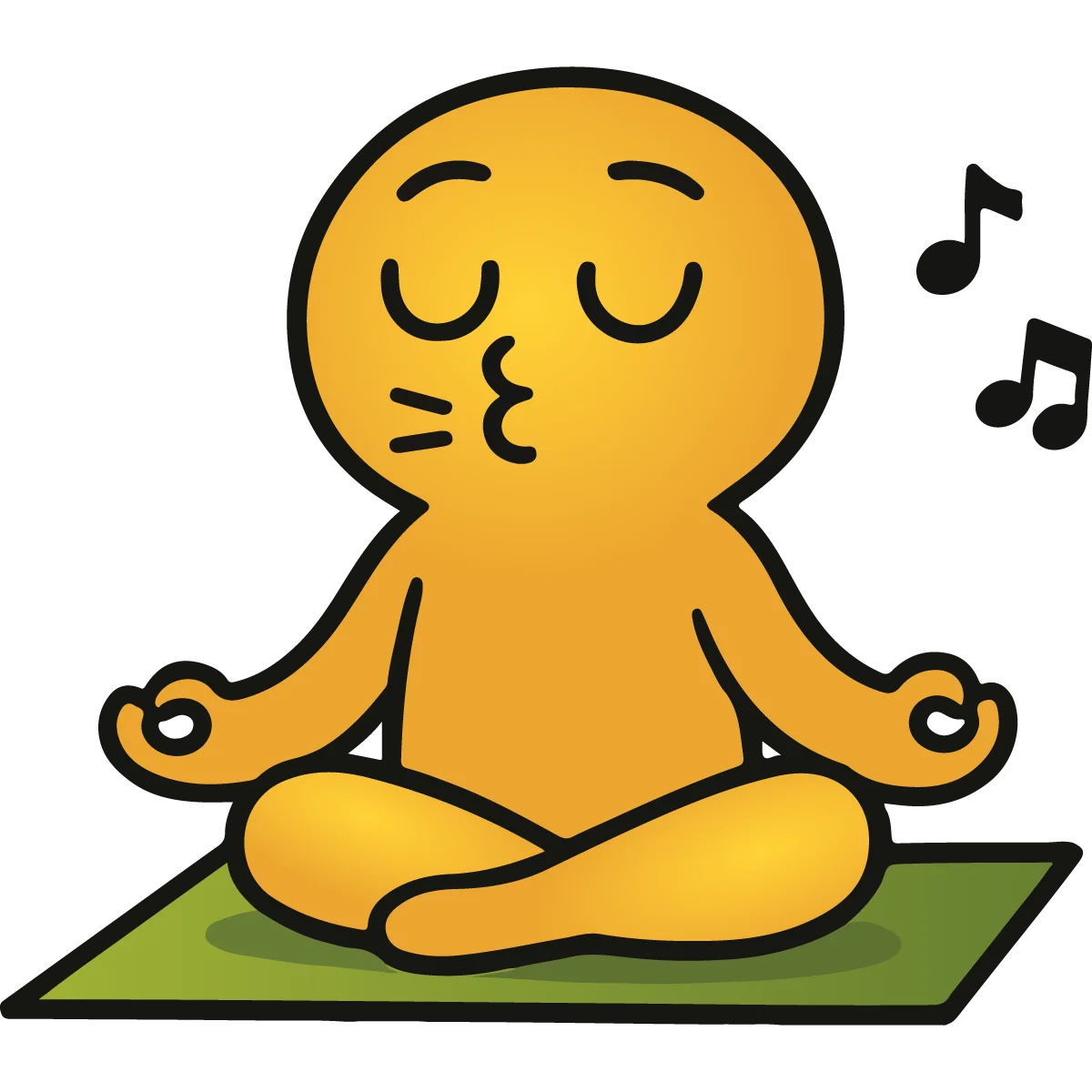
Humming Exhale is a gentle breathing technique that uses the power of sound and vibration to help you feel more grounded. It involves taking a quiet breath in and making a soft humming noise as you let the air out. This simple practice can help you shift out of a stressful state by sending a signal to your body that it is time to relax. It is often used to help lower stress and improve focus during busy days.
How Your Brain Works
Your brain uses two main parts to manage your feelings and your ability to think clearly.
The Guard Dog
The alarm system. Reacts to stress with fight-or-flight responses.
The Wise Owl
Logic and calm decision-making, best accessed when the alarm quiets down.
The Alarm System
When you feel stressed or overwhelmed, your Guard Dog (the amygdala) starts barking. This part of your brain is built to keep you safe by preparing your body to fight, run, or freeze. It speeds up your heart rate and makes your breathing shallow, which can make it hard to think clearly. The Guard Dog is just trying to protect you, but sometimes it barks at things that are not actually dangerous.
The Power of the Hum
When you use the Humming Exhale, the vibrations from the "hmmm" sound travel through your body and reach a special nerve called the vagus nerve. Think of this nerve like your body's brake pedal. By stimulating this nerve, you send a direct message to the Guard Dog to stop barking and let the rest of the body know it is time to settle down.
Bringing Back the Owl
Once the Guard Dog is calm, your Wise Owl (the prefrontal cortex) can take over again. This is the part of your brain responsible for making smart choices and staying focused. The vibrations and steady rhythm help your Wise Owl get back to work, making it easier for you to handle challenges, concentrate on your schoolwork, or just feel more in control of your emotions.
How to Use This Skill
Think of this skill as a way to press the reset button on your internal alarm system when things get too loud or stressful.
- 1
The Quiet Inhale
As you breathe out, keep your lips closed and make a soft humming sound, feeling the vibration in your face and chest.
Taking a slow breath through your nose helps filter the air and starts the process of slowing down your heart rate. - 2
The Humming Release
Sit comfortably and breathe in through your nose without making any noise, noticing how your chest and belly move.
Making a soft humming sound creates vibrations that activate your body's natural calming system and release helpful gases. - 3
The Five-Breath Cycle
Continue the quiet inhale and humming exhale for five full breaths, noticing how your body feels more relaxed each time.
Repeating the process several times helps build up the calming effect in your body, making the feeling of peace last longer.
Real-Life Example
The Classroom Pressure
The Surprise Quiz
A teacher announces a surprise quiz, and suddenly your heart starts racing and your palms get sweaty.
The Guard Dog's Worry
I am going to fail this quiz, and everyone will think I am not smart enough to be here.
The Breakdown
- Notice the bark: Recognize that the Guard Dog is reacting to the stress of the quiz.
- Take a breath: Inhale quietly through the nose for a count of four.
- The Hum: Exhale with a soft "hmmm," feeling the vibration in the nose and throat.
- Repeat: Do this four more times while sitting quietly at the desk.
- Check-in: Notice the heart rate slowing down and the mind getting clearer.
The humming calms the Guard Dog, allowing the Wise Owl to return so you can focus on the questions and do your best.
Practice Tips
To get the most out of this technique, try these simple suggestions to make the vibration even more effective.
- Feel the Buzz
Pay close attention to the vibration in your teeth, lips, or chest to help keep your mind from wandering.
- Keep it Smooth
Try to make your hum as long and steady as possible without straining, which helps the calming system work better.
Pro Tip
Why It Works
This technique is a fast and gentle way to help lower stress and improve your ability to concentrate when you feel overwhelmed.
This skill can be helpful because:
- Activates Calming
It uses physical vibrations to turn on your body's internal brake pedal and slow down a racing heart.
- Better Airflow
Humming helps your lungs work more efficiently by releasing natural gases that help you breathe easier.
- Sharpens Focus
By quieting the internal noise of stress, it makes it much easier for your Wise Owl to stay on task.
References
Research-based evidence supporting this skill
- This technique is based on research into how sound vibrations and breath control can influence the nervous system and improve heart health.
- Mayo Clinic Connect. (n.d.). Humming your way to relaxation. Retrieved from
- Psychology Today. (2024). The power of humming. Retrieved from
- Kuppusamy, M., et al. (2023). Humming (Simple Bhramari Pranayama) as a stress buster. PMC. Retrieved from
- My CHYP. (n.d.). Humming for relaxation: A meditation practice. Retrieved from
- Art of Living. (n.d.). Experience serenity: Bhramari pranayama for stress relief. Retrieved from
- AMFM Treatment. (n.d.). Does humming help anxiety? Simple tips to cope. Retrieved from
- Headspace. (n.d.). Humming bee breath - Meditation. Retrieved from