Micro Body Scan
Overview
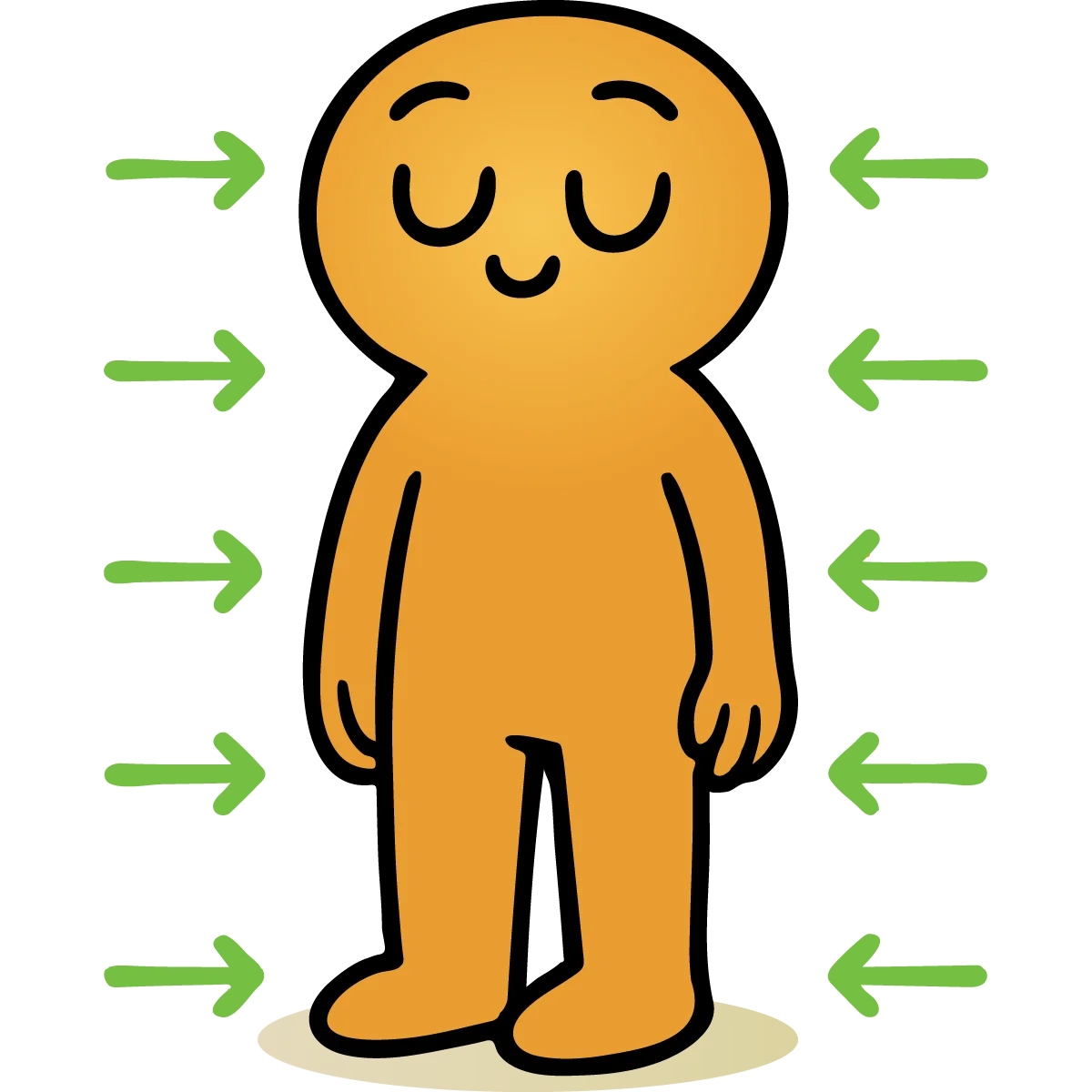
The Micro Body Scan is a simple way to pause and notice what is happening in your body. By checking in with different areas, from your forehead to your feet, you can identify where you are holding stress. This skill allows you to release that tension intentionally, helping you feel more relaxed and present in the moment.
How Your Brain Works
Your brain uses two main parts to manage your feelings and your ability to think clearly.
The Guard Dog
The alarm system. Reacts to stress with fight-or-flight responses.
The Wise Owl
Logic and calm decision-making, best accessed when the alarm quiets down.
The Guard Dog Sounds the Alarm
When you feel stressed, your Guard Dog (the amygdala) starts barking. It thinks there is a danger and gets your body ready to fight or run. This is why your shoulders might get tight, your breath gets shallow, or your heart starts to race. The Guard Dog is just trying to protect you, but sometimes it overreacts to everyday things like exams or social pressure.
The Wise Owl Steps In
By focusing on specific body parts, you give your Wise Owl (the prefrontal cortex) a job to do. Instead of letting the Guard Dog keep barking, the Wise Owl starts to look at the physical facts. It helps you notice that while your body feels tight, you are actually safe in this moment. This shifts your brain from reacting to observing.
Using the Body's Brake Pedal
- Interrupting the Loop: Shifting focus to your crown or forehead breaks the cycle of anxious thoughts that keep the Guard Dog upset.
- Signalling Safety: Relaxing your jaw or shoulders sends a message through your nerves to the brain that the threat is gone.
- Calming the System: This shift activates your body's natural brake pedal, which lowers stress levels and helps you think clearly again. This is called top-down regulation, where the Wise Owl calms the Guard Dog.
How to Use This Skill
Think of your body like a house where the Guard Dog has started barking at every shadow. This skill helps you walk through the rooms of that house, turning on the lights and showing the Dog that everything is actually okay.
- 1
The Top Floor (Head and Face)
Notice your forehead and the top of your head. If you feel any tightness, simply imagine those muscles becoming smooth and soft.
Focusing on the forehead and crown stops the brain from spinning on stressful thoughts and engages the Wise Owl. - 2
The Stress Centre (Jaw and Shoulders)
Let your jaw hang loose and drop your shoulders down. Take a moment to feel the weight leave your upper body.
The jaw and shoulders are the main spots where the Guard Dog stores tension. Releasing them tells the brain to relax. - 3
The Midsection (Hands and Belly)
Rest your hands flat and soften your stomach. Feel your belly move slowly as you take a gentle breath in and out.
Focusing on the belly allows for deeper breathing, which acts as the body's natural brake pedal for stress. - 4
The Foundation (Feet and Grounding)
Press your feet into the floor. Notice the sensation of the ground supporting you, from your heels to your toes.
Feeling the feet on the floor helps the Wise Owl anchor your attention to the real world instead of the 'what-ifs'.
Real-Life Example
The Math Test Meltdown
The Trigger
You get a math test back and see a mark that is much lower than you expected.
The Guard Dog Thought
I am going to fail this class, my parents will be upset, and I am just not good at this.
The Micro Scan Breakdown
- Pause: Instead of scrolling on your phone to hide the feeling, you take a breath.
- Scan the Face: You notice your forehead is scrunched up and you consciously smooth it out.
- Drop the Shoulders: You feel your shoulders up by your ears and let them sink down.
- Check the Belly: You notice your stomach feels tied in knots and you take a deep breath to soften it.
- Feel the Floor: You push your feet into the ground to feel solid and present.
The Guard Dog stops barking, allowing the Wise Owl to say, 'This is just one mark. I can ask for help on the next one.' You feel calm enough to focus on the next lesson.
Practice Tips
- Building this habit can help you stay cool when things get stressful. Consider these tips to get started
- Nightly Routine
Try doing a scan for 5 to 10 minutes before you go to sleep to help your body relax and improve your rest.
- Pair with Breathing
Take slow, deep breaths while you scan each area to help your Wise Owl stay focused and calm.
- Use an Audio Guide
It can be helpful to listen to a guided recording at first so you do not have to worry about remembering all the steps.
Pro Tip
Why It Works
This skill is a great way to manage stress in the moment and build a better connection between your mind and body.
This skill can help because:
- Body Awareness
It helps you catch stress in your muscles before it turns into a big 'Guard Dog' reaction.
- Better Control
It gives your Wise Owl the power to calm your brain's alarm system using your own body.
- Faster Recovery
It uses your body's calming system to help you bounce back from stressful moments more quickly.
References
Research-based evidence supporting this skill
- This technique is based on modern mindfulness practices used in schools and wellness programs to help with focus and emotional balance.
- Syracuse University. (2022). A systematic review of the effects of the body scan on stress and well-being.
- PMC. (2024). Assessing the impact of the mindfulness-based body scan.
- Louisiana State University. (2023). Immediate effects of the mindful body scan practice on risk.
- PubMed. (2022). The effects of body scan meditation: A systematic review and meta-analysis.
- Oxford Academic. (2023). Effect of a 5-minute body scan mindfulness intervention on healthier choices.
- Psychology Today. (2023). Scanning is a small but mighty mindfulness move.
- Mindful.org. (2024). How the body scan meditation practice reduces biological stress.